

“I love architecture, but architects are very critical about everything except their own ideas,” says Luca Ballarini with a smile during a break in the ninth edition of Utopian Hours. A city-making conference held in Turin and hosted by local ‘urban knowledge’ lab Stratosferica, it was co-founded in 2017 by Ballarini and festival co-director Giacomo Biraghi. It was roughly 13 years ago that Ballarini first started imagining how cities could be different when he was asked to design and edit a book of visionary ideas about Turin and its so-called third strategic plan. After the ideas collected were used by a local politician seeking reelection and watered down horribly (“they were too courageous for a politician”), Ballarini came up with Torino Stratosferica, a self-started social enterprise dedicated to imagining and collecting ideas and solutions for the city that could be “really bold, have no strings attached, no client, no feasibility studies and no political calculations, it would just be the best ideas out there.”
The aim of Utopian Hours, says Ballarini, who is an architect by training and a self-taught graphic designer and publisher, is to shine a spotlight on these ideas, but also to pull the architecture sector out of navel-gazing mode and ensure that people of all ages who aren’t architects feel included and “brought into the discourse” when it comes to cities and urbanism. “There’s so much involved in city-making and changing cities and the way city-making processes happen — and communication, marketing and the production of images are key. So, part of what we are trying to do is advocate for the redesign of the language around cities and the way they are perceived.”
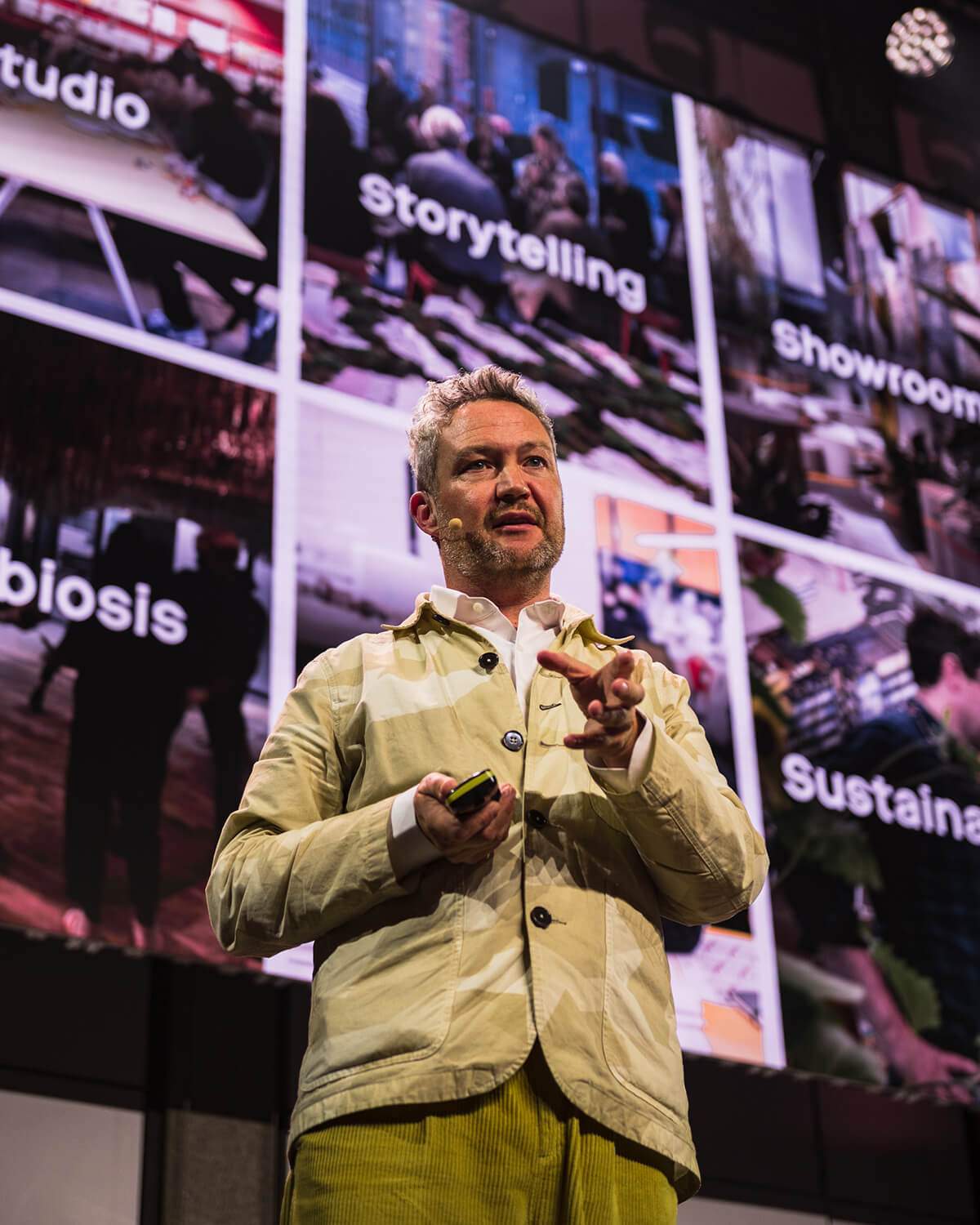
It’s no surprise, then, that only about 20 per cent of the speakers on stage during this three-day urbanism festival were architects or had an architectural background. The rest are entrepreneurs, photographers, policymakers, managers, designers, CEOs, comms directors, activists, historians, cartographers and cultural programmers. Anyone can make or change cities is the event’s unmistakable message and clarion call, so it follows that those relaying that message are people who, in Ballarini’s words, can convey “the original passion that moved the people behind a project to make it real.”

One such person was Nick Wesley, the enthusiastic Executive Director and Co-founder of non-profit organization Urban Rivers, whose Wild Mile project is a mile-long floating park on the North Branch Canal of the Chicago River. Bringing wildlife, wetland plants and aquatic life (as well as public walkways and kayak docks) to a previously heavily polluted and industrialized part of the city, it has been emulated by many others. In a similar vein, innovator duo Wouter van der Wal and Daphne Lamberts explained how they self-built their own timber home in Almere, just outside Amsterdam using the open-source WikiHouse platform where you can modify, co-design and download detailed plans for building a home for free. While Kara Meyer, the MD of PlusPool, recounted the long journey of building a prototype floating pool using filtered river water in the East River, explaining that NYC has a mind-boggling 520 miles of waterfront but only 14 miles of beaches. Despite myriad challenges, the organizers hope to launch a prototype pool in 2026 and open it up for swimmers in the summer of 2027, bringing back river bathing to New Yorkers after over a century.
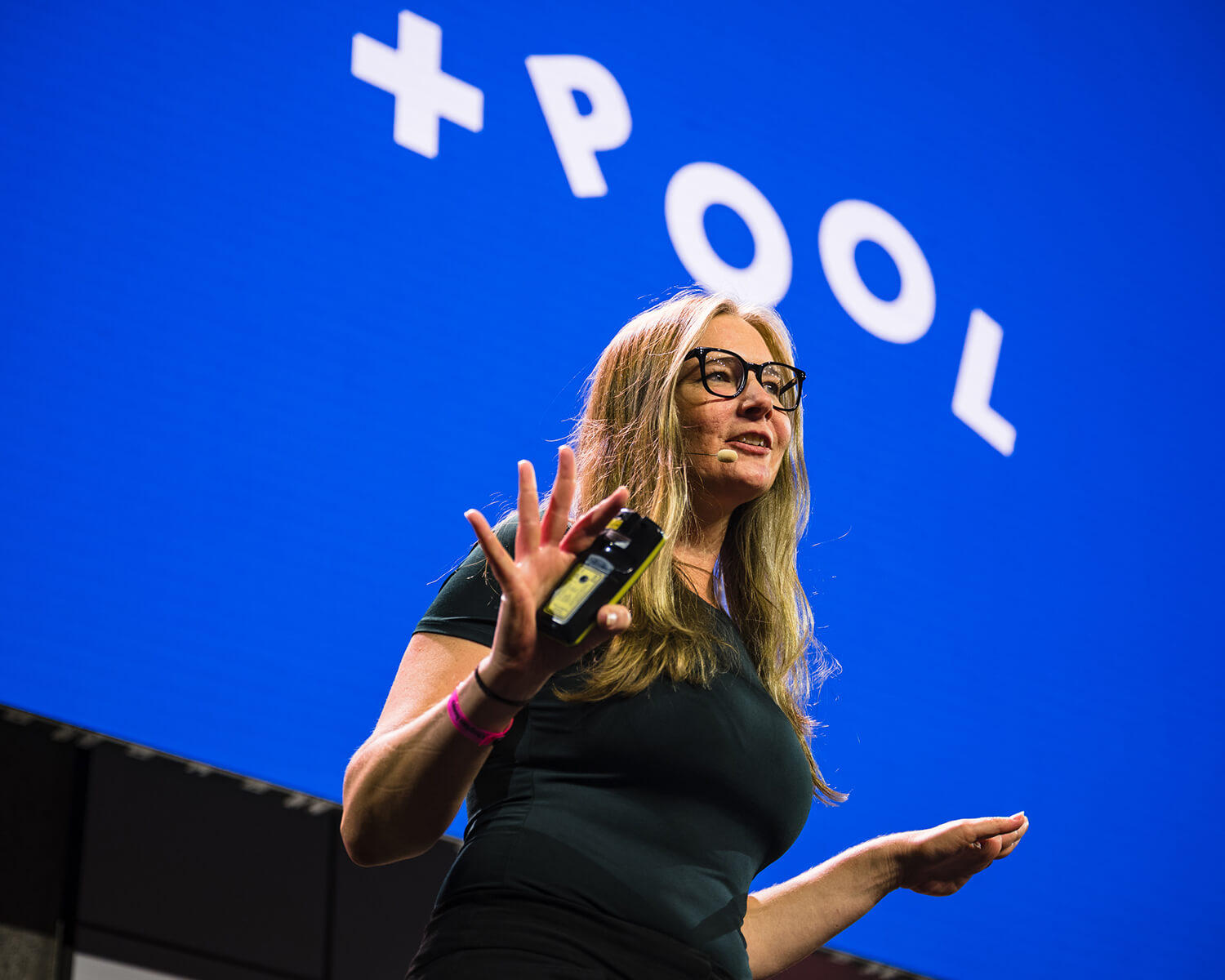
These three projects, and many of the others presented, shared several common themes; they had to change public perceptions (of what a park, housing and public swimming can be, respectively); they went through years of research and trial and error; they worked collaboratively with scientists, architects, experts, community groups and city administrations; they had to launch and operate within a regulatory void. As Meyer said of PlusPool, “there was no permit application we could ask for and no department of health standards for what we wanted to do…. we were building a plane but we didn’t have a runway”. They also, and this is important, relied in volunteers to get their project off the ground and in keeping it going once launched.

‘Urban volunteering’ is a key term for Stratosferica, says Ballarini, and is in their smart and very readable ‘Manifesto for a New City Making’. The advantages of this approach are manifold: independence, agility and, often, speed and a sense of belonging and ownership. “One of our rules at Stratosferica is to try to think and operate as if the city administration doesn’t exist, because the public sector is often slow, bureaucratic, and, above all, it’s much easier for them to say no than to say yes.” If you want change, you have to disrupt the system, he says, and convince people about the purpose of a project. “If help then comes from the public sector, that’s great, but don’t think it’s definitely going to happen because you will be disappointed.”
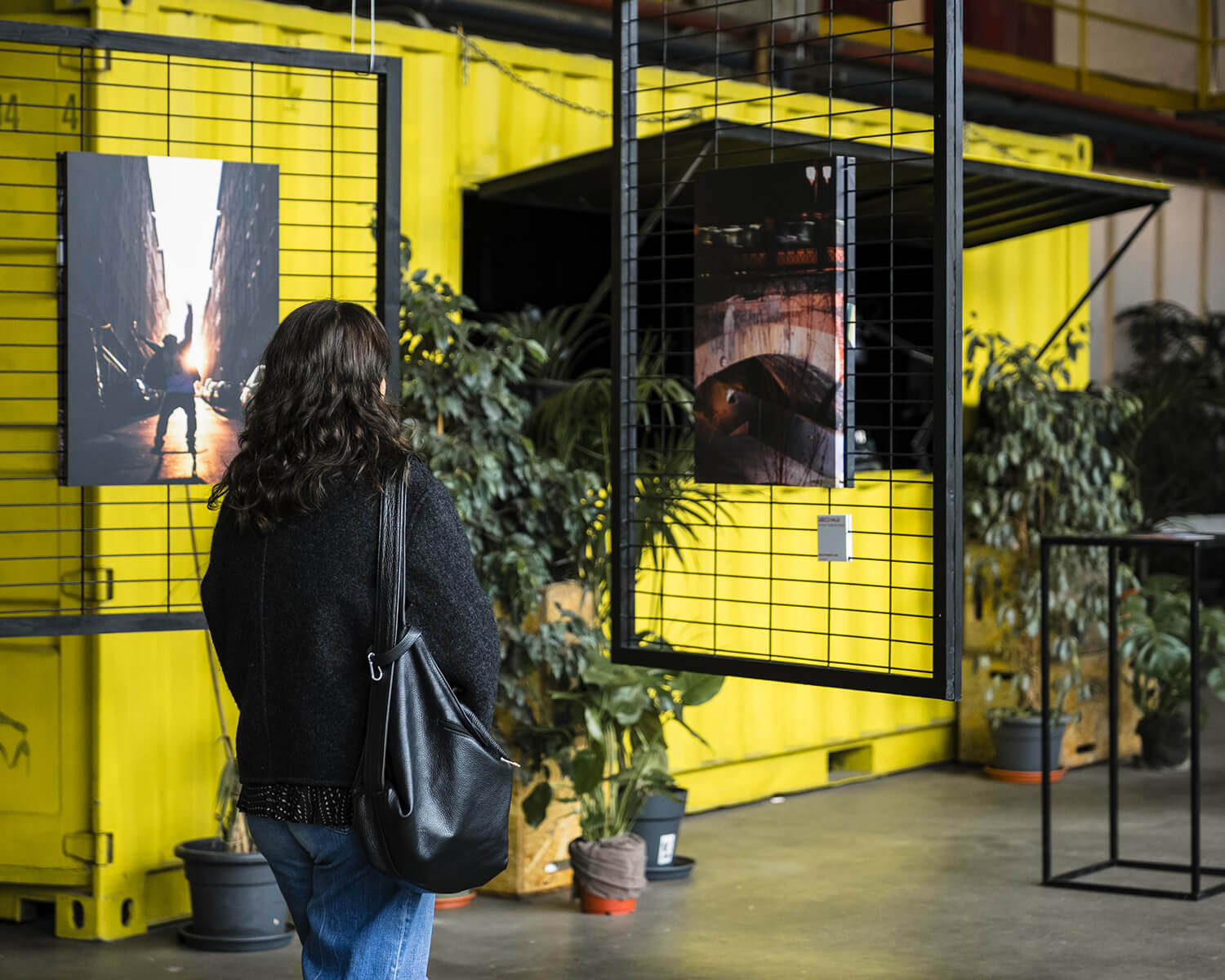
Disrupting and testing ideas is how many of Stratosferica’s placemaking and community-building projects in Turin start too, Ballarini explains. Recent examples include Precollinear Park (a very popular temporary ‘lowline’ park on 500m of disused tram tracks), Corso Farini (a stretch of road along the Dora River transformed into an urban park) and, most recently, Dorado (a community hub and citizen workshop space curated by Stratosferica in a converted warehouse along the Dora River). All started as pop-ups, but the last two have become permanent fixtures, Dorado serving as the chilled-out secondary socializing and exhibition space for Utopian Hours, with informative and interesting small shows on ‘urban lidos’ and ‘skate urbanism’.
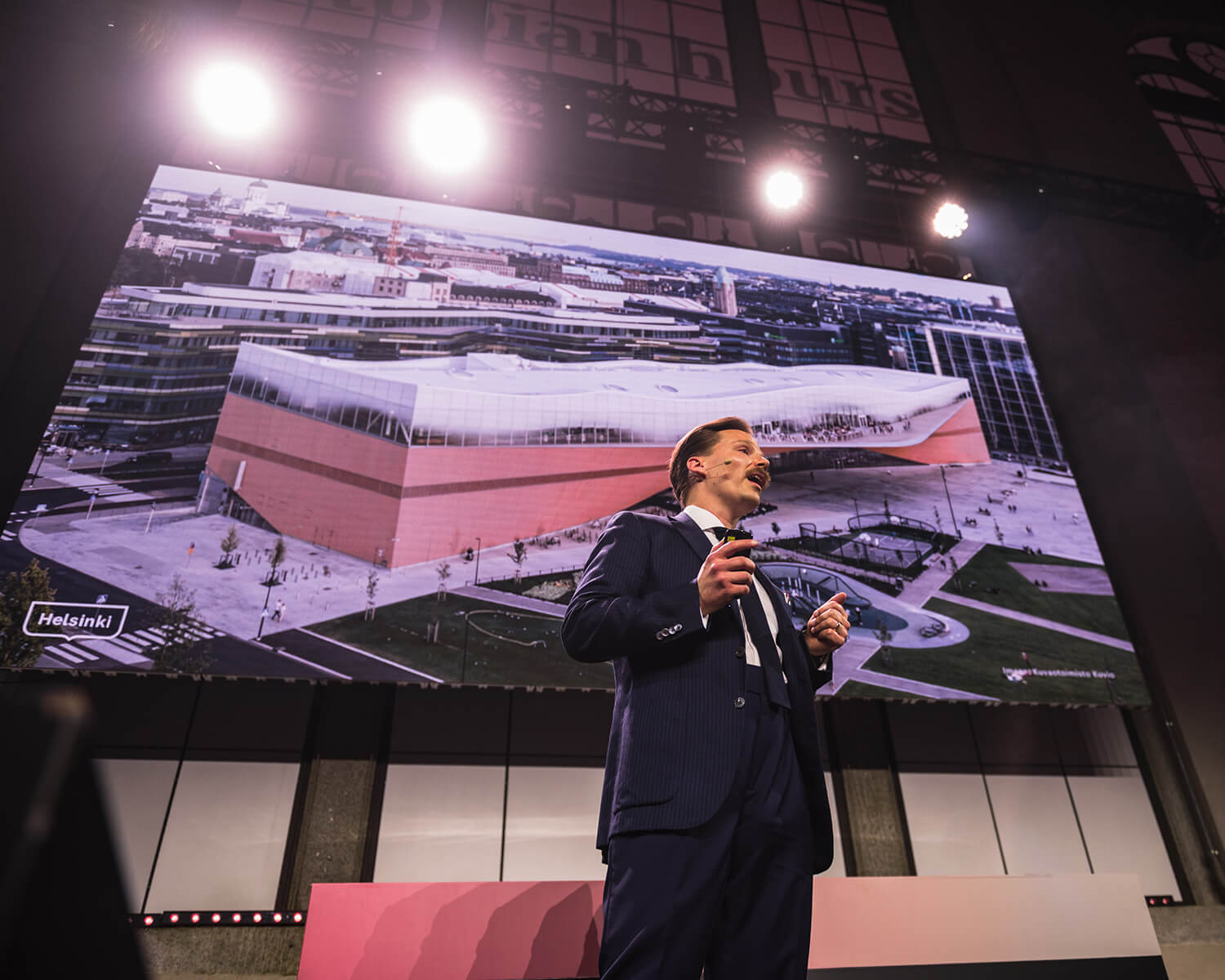
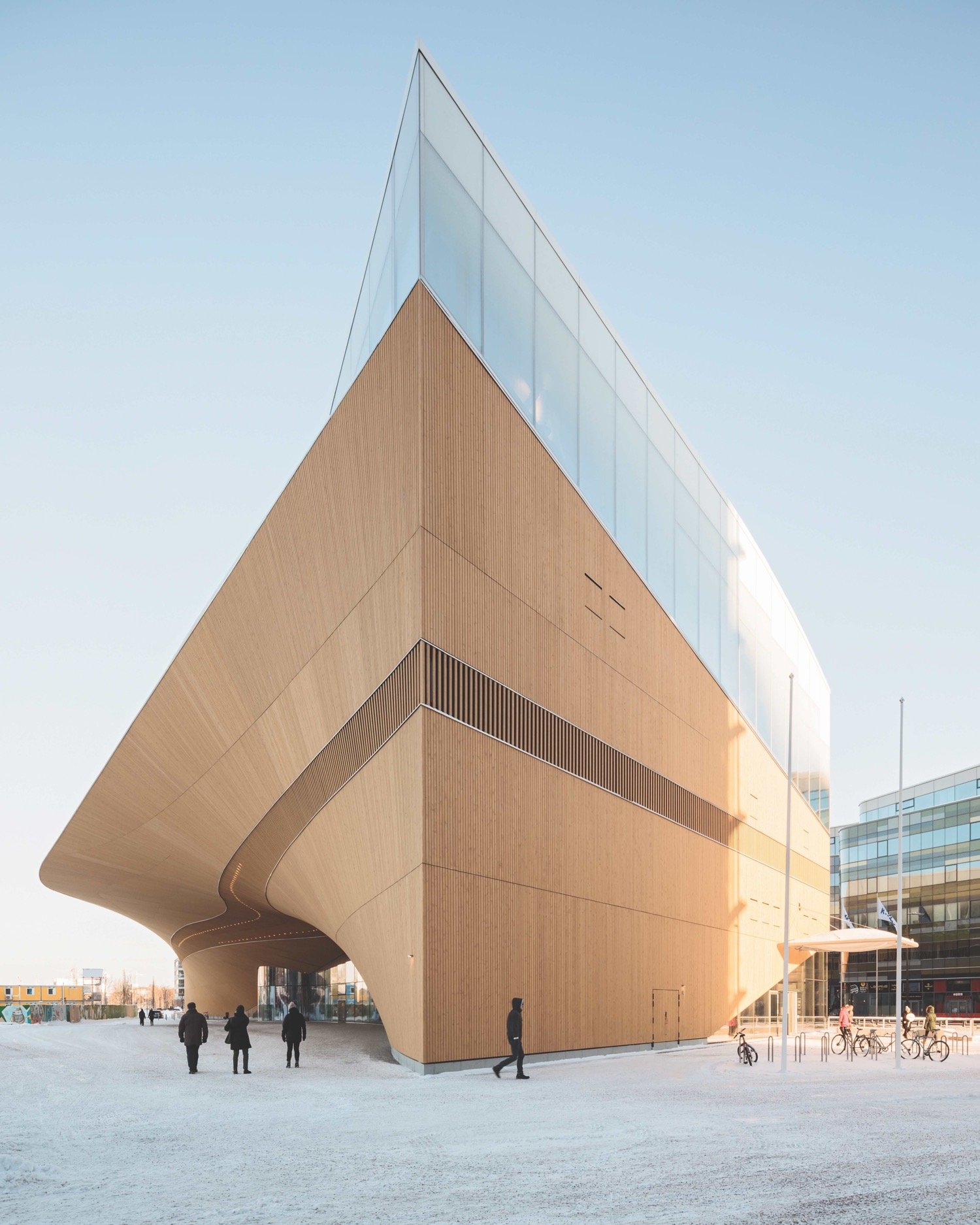
All of this doesn’t mean the public sector wasn’t represented at Utopian Hours; it was. And when it works, sometimes it really works, in the most enlightened of ways, such as Oodi Central library in Helsinki, which was presented by its Head of Media Culture, Robert Seitovirta. A fully funded public project aimed at “enhancing democracy and active citizenship,” its books in 20 languages, kids’ play areas, inviting workspaces, cinema, music studios, kitchen area, photography studios, sewing machines, 3D printers, cafes and much more, mean some 8-15,000 people visit every single day, with loans and visits rising year-on-year.
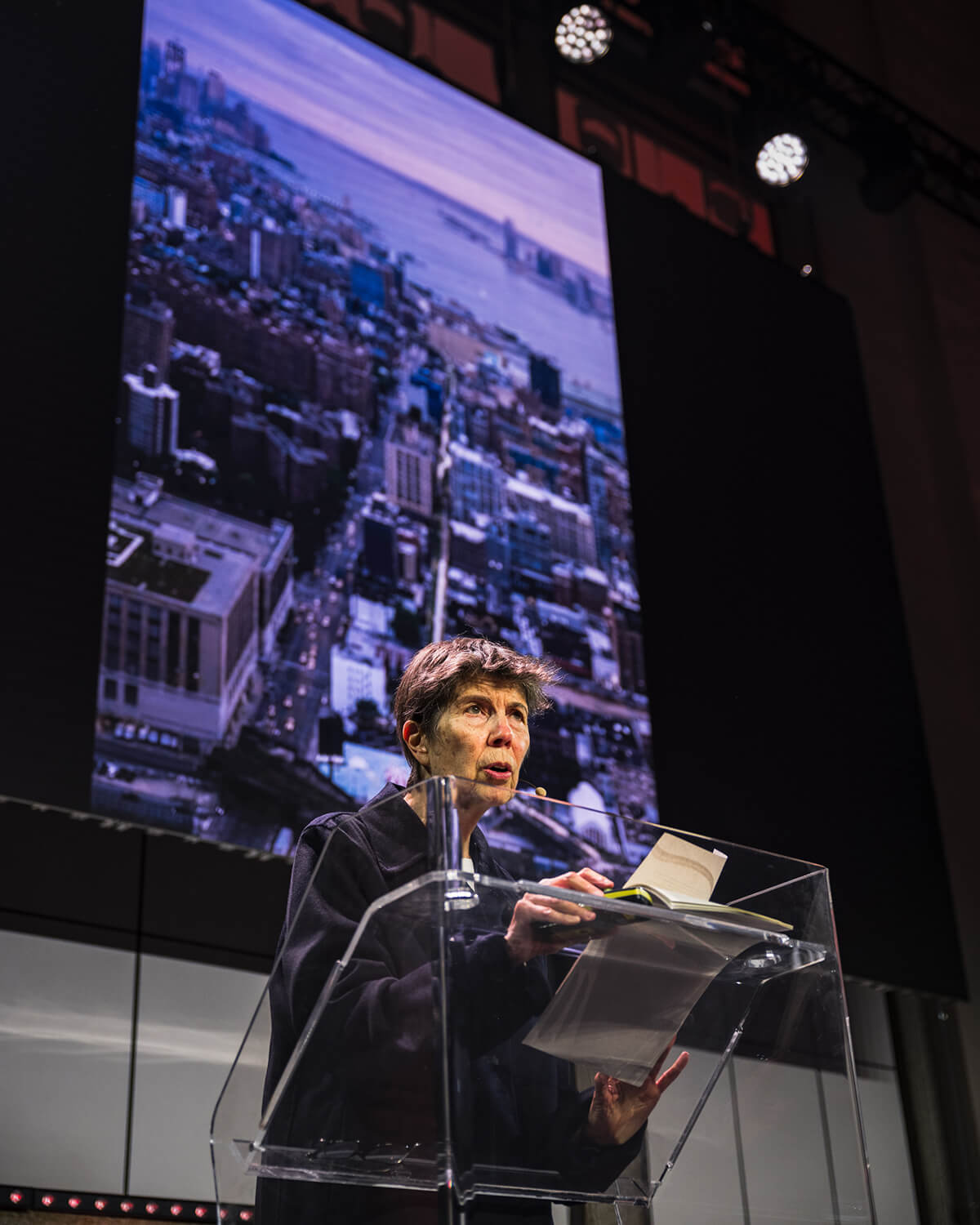
One of the more thought-provoking presentations of the event was by Liz Diller of Diller Scofidio + Renfro, who talked about the High Line, the Shed Theatre and the 88-storey 15 Hudson Yards building — and the issues of extreme gentrification, the growing divide between the poor and ultra-wealthy in many cities and the unintended consequences of city making driven by developers that becomes a “real estate feeding frenzy.” At one point, she showed a nightlife scene in a run-down 80s Meatpacking district side by side with a picture of the gleaming high rises that fill it today and poignantly asked, ‘Which is better, I don’t know.’
Capitalism run rampant is one factor of many — like natural disasters, and manmade ones such as war and colonialism — that have forced cities to reinvent themselves over the centuries. This theme was perhaps most apparent in historian Ademide Adelusi-Adeluyi’s cartographic investigation into what the Nigerian capital was like before the British bombarded it in 1851. “The city seems to be addicted to erasure and forgetting,” she said. To find out what might work in a city, she said, “we should look inside and on the ground.” Her point was simple: know your city’s layers, its history and indigenous urbanism, know how it has been scarred, and you will better understand what it needs and what its future could be.

For its tenth anniversary in 2026, Utopian Hours will divide into two speaker-led festivals, the first taking place on May 28-29 in Rotterdam and the second returning to Turin’s Lavazza HQ from October 16-17. Rotterdam and its post-war post tabula rasa architectural experimentation makes it an apt setting for an event that offers a heady cocktail of aspirational and concrete explorations on urbanism. As Ballarini says, “another word we are passionate about at Stratosferica is Eutopia, which is from the Greek and simply means ‘a better place’.” Unlike Utopia, Eutopia is “not a place that doesn’t exist or that we can only dream about, it is a real goal, a place we can reach.”
Utopian Hours Envisions a Future for Architecture without Architects
The Turin conference champions citizen-led urbanism, proving that transformative architecture can flourish beyond traditional boundaries.