
Architects and builders who want to explore natural materials have a new place to start. OpenDetail, an online platform developed by Copenhagen architecture firm Henning Larsen together with academic and industry partners, seeks to bridge the divide between practitioners eager to adopt more sustainable modes of construction and the resources they need in order to do so.
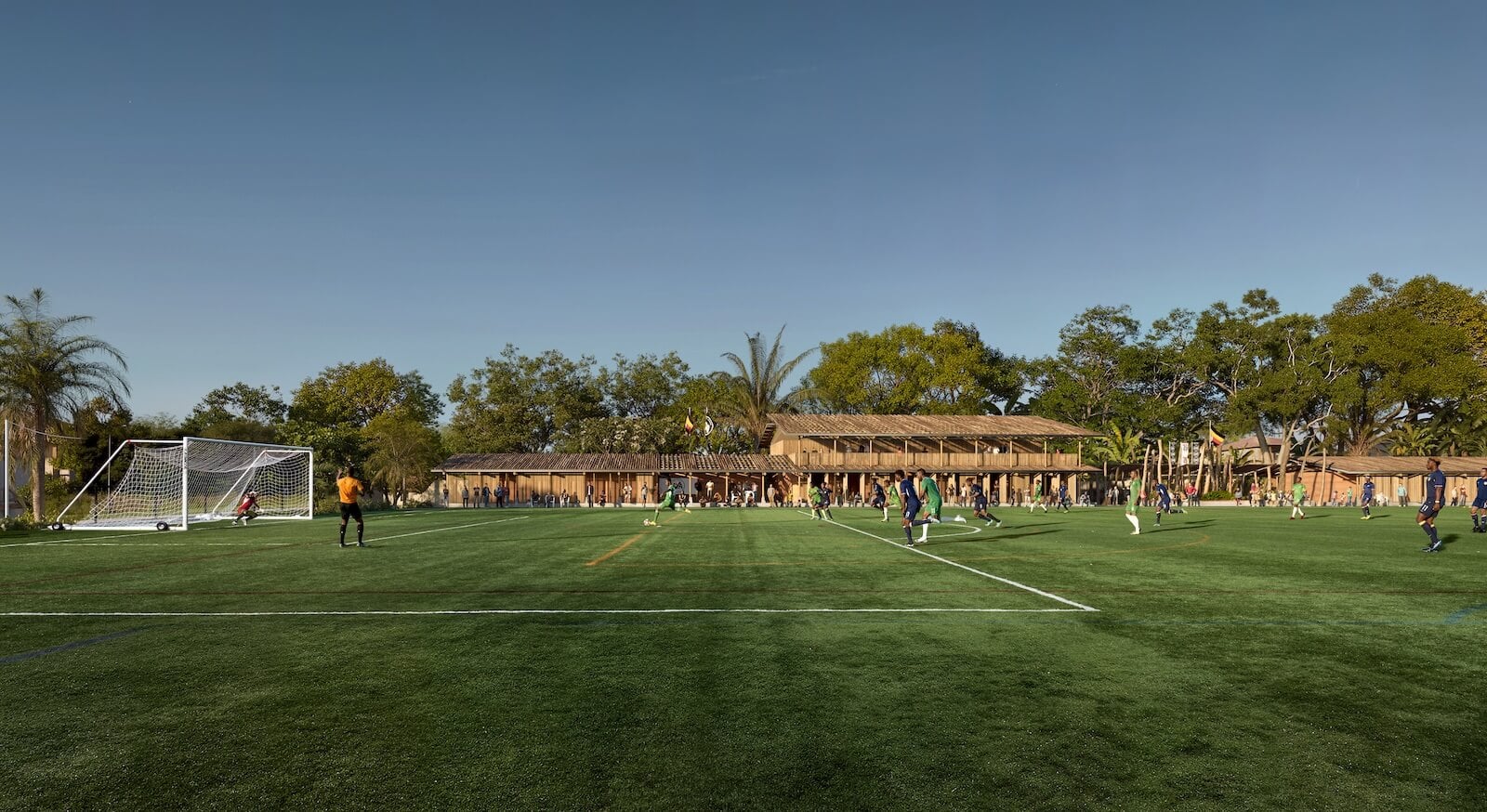
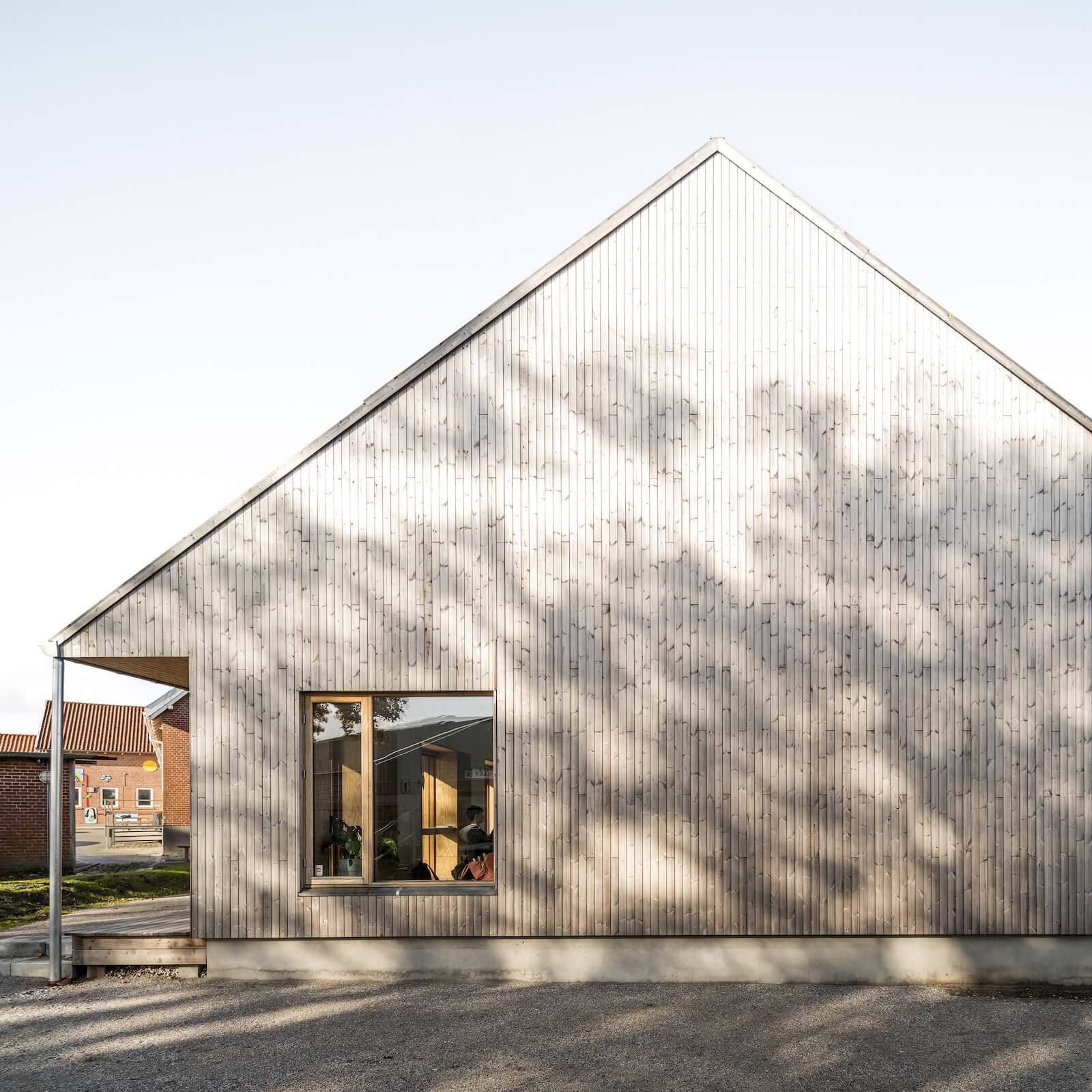
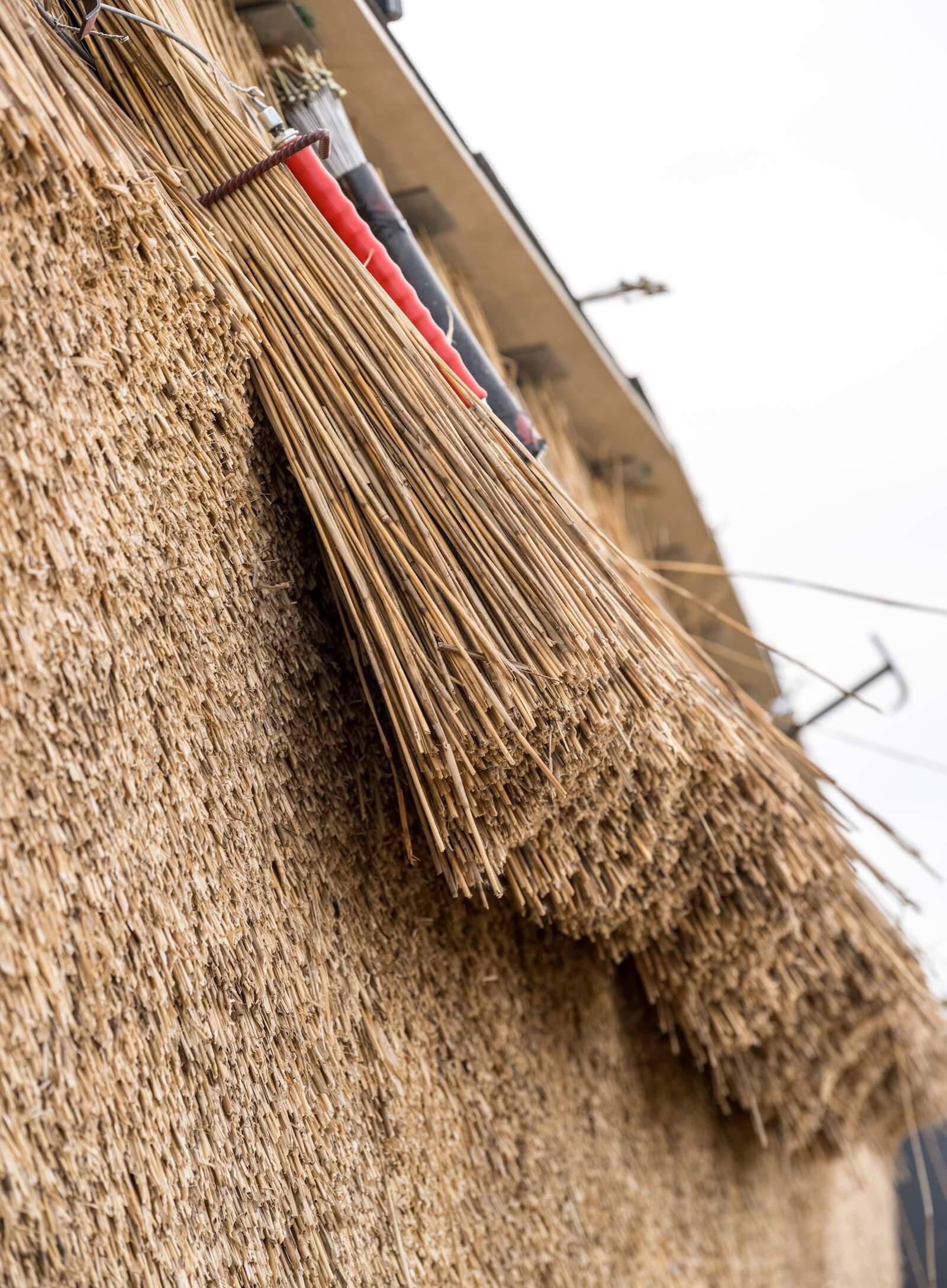
The startup is a natural fit for the firm. Henning Larsen is world-renowned for its sensitive architectural projects that emphasize sustainability and community. It has employed biogenic materials to marvellous effect, including at Feldballe School, which uses wood, seagrass and straw; the latter material is also being put to use in the thatched roof of the upcoming Sundby School, also in Denmark. And the firm’s El Cambio Academy (image, top of article), in Masaka, Uganda, is being constructed with rammed earth bricks, “repurposed from soil excavated on site and finished with clay plaster to enhance durability and thermal performance.”
As the firm states in its press release for OpenDetail, “biogenic materials such as timber, reed, hemp, clay, and mycelium provide a viable route to reduce embodied carbon, but the industry lacks accessible and practical guidance on how to build reliably with these materials at scale. Knowledge sharing about available resources is at the heart of the project.”
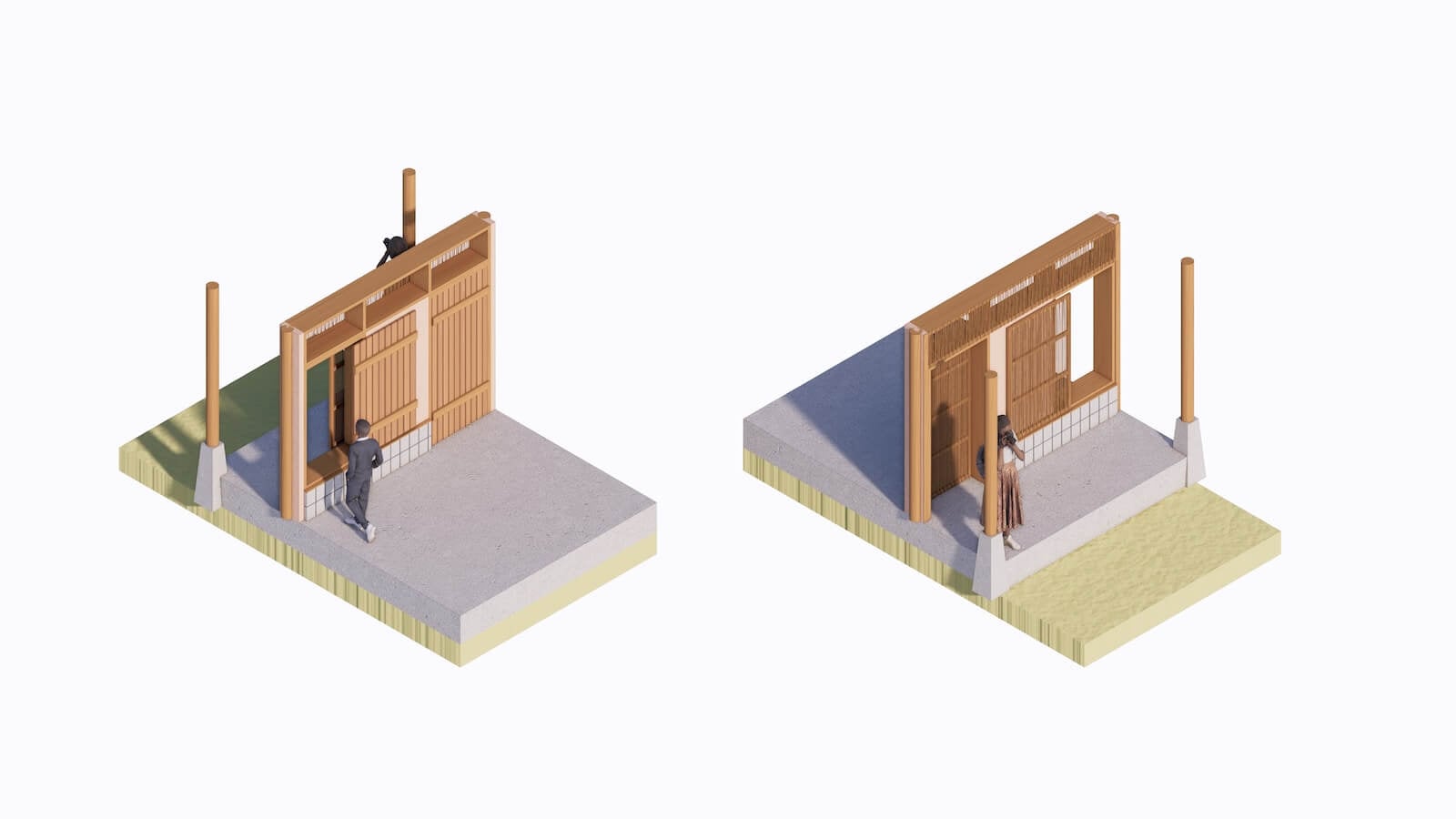
To this end, OpenDetail will function as a “crowd-sourced, peer-reviewed” platform for sourcing materials in “real projects.” Its success will be determined by how many practitioners around Europe, and possibly the globe, contribute their own drawings to the site. For now, Henning Larsen has uploaded several relevant specifications that users can download, including details for “vibro-stone pile foundation,” which uses compacted stone columns to support structures, green roofs and CLT slab assemblies.
The site was co-created with Ramboll, EK – Business Academy Copenhagen (formerly KEA), CHEVRANT and Speckle for “students, practitioners, architects, engineers, and construction professionals” in order to “bring together a diverse community to share knowledge, collaborate, and scale biogenic design solutions.” In North America, Architecture2030 might be considered a precedent; established by Ed Mazria in 2002, it gathered resources for green building practices with the aim of decarbonizing building construction by 2030.
“The industry is at a turning point, and biogenic materials are changing the
way we build for the better,” says Jakob Strømann-Andersen, director of
innovation and sustainability at Henning Larsen. “We believe it is our responsibility as a global practice working at scale to support this transition. OpenDetail is our way of putting openness and generosity into action, sharing knowledge so the whole field can advance together.”
Henning Larsen is world-renowned for its sensitive architectural projects that emphasize sustainability and community. It has also employed biogenic materials to marvellous effect, including the Feldballe School, which uses wood, seagrass and straw. And its El Cambio Academy (image, top of article), in Masaka, Uganda, is being constructed with rammed earth bricks, “repurposed from soil excavated on site and finished with clay plaster to enhance durability and thermal performance.”
Henning Larsen Launches Open-Source Platform for Earth-Friendly Building Materials
OpenDetail is a guide for architects and builders to source and supply information on biogenic materials and projects.