
Back in our Nov/Dec 2023 issue, we noted Mexico City firm LANZA atelier as one to watch — a studio whose measured, materially grounded work suggested unusual staying power. Still in its first decade, the budding studio (founded in 2015 by Isabel Abascal and Alessandro Arienzo) already showed considerable promise in crafting generous spaces that engage community. Whether new builds or interventions, their work, though formally restrained, struck us as deeply evocative and rooted in place. Just over two years since that feature, the firm has secured one of the world’s most prestigious architectural commissions: the 2026 Serpentine Pavilion. It is the second time a Mexican firm has been chosen for this honour, following Frida Escobedo in 2018.

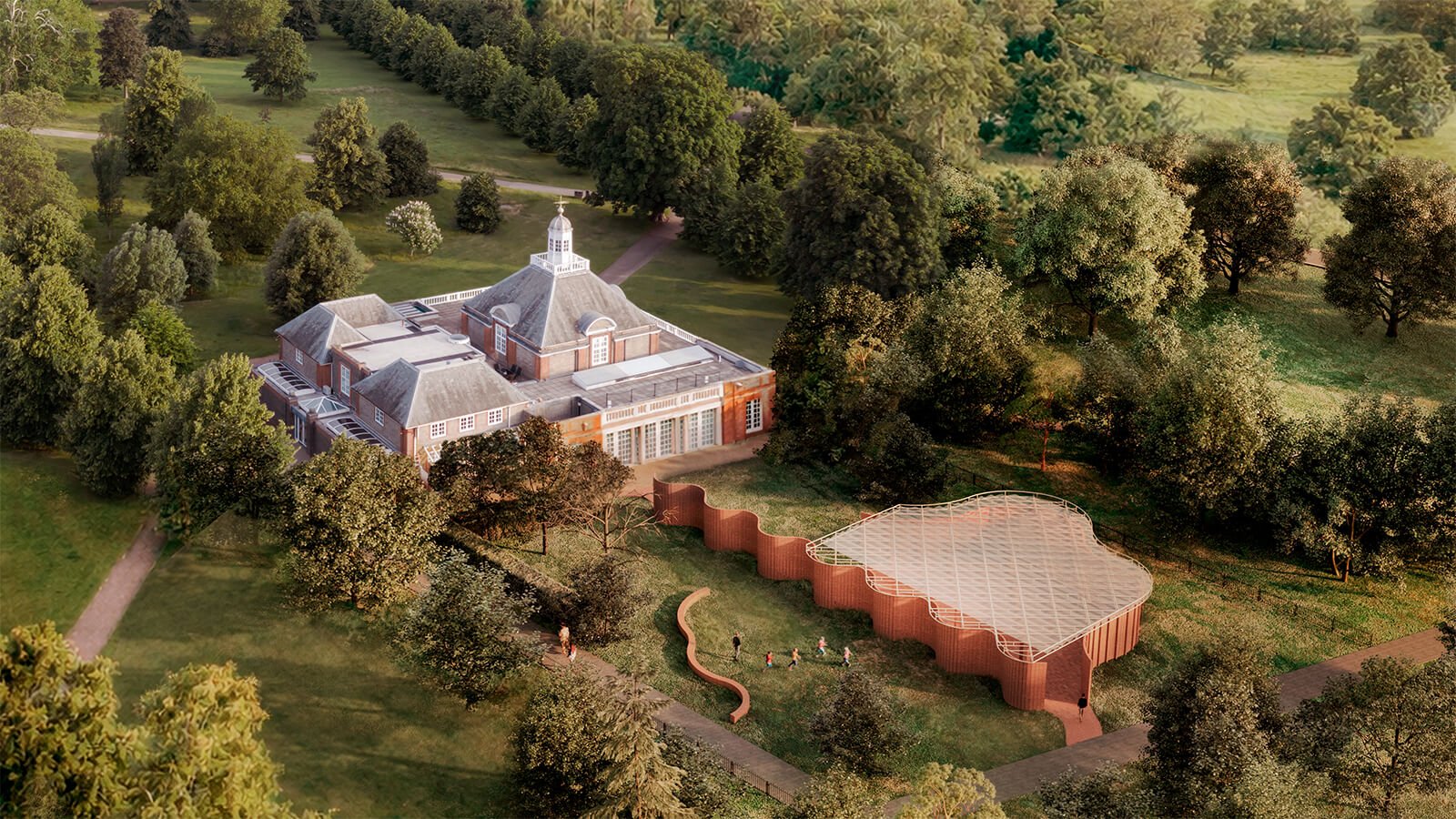
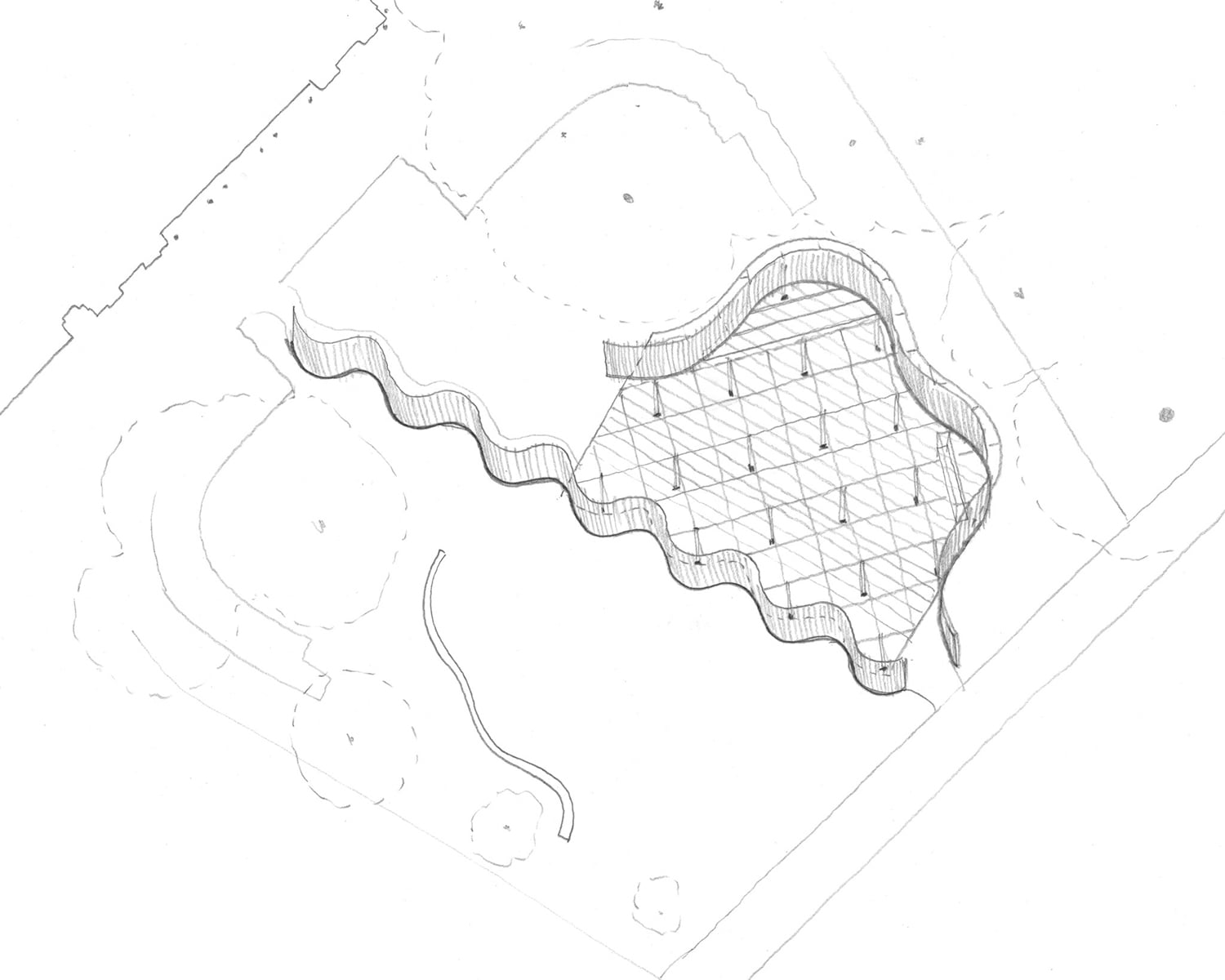
LANZA’s pavilion, titled A Serpentine, will open on June 6 on the Serpentine South lawn, where it will remain until October 25. As in much of the firm’s portfolio, the temporary structure will leverage humble materials to striking effect. Its defining feature is a serpentine (or crinkle-crankle, as the Brits call it) wall composed of alternating curves. The form originated in ancient Egypt, and was later introduced to England by Dutch engineers, where it became a defining characteristic of English gardens. By working in brick, the pavilion references this lineage while maintaining a dialogue with the Serpentine Gallery’s masonry façade; the gentle curvature nods to the nearby Serpentine lake. Its form is also practical: a serpentine wall is more stable than a linear one and therefore requires fewer bricks.
“Inspired by the figure of the serpent as a generative and protective force, we draw a parallel with England’s winding fruit walls, which are structures that temper climate, create shelter, and enable growth,” says the firm. “From this idea emerges a pavilion built of simple clay brick, foregrounding vernacular craft and the elemental capacity of architecture to bring people together. The 2026 Pavilion proposes built forms that are permeable, shaped and held by a gentle geometry, and continually responsive to those who move through it.”
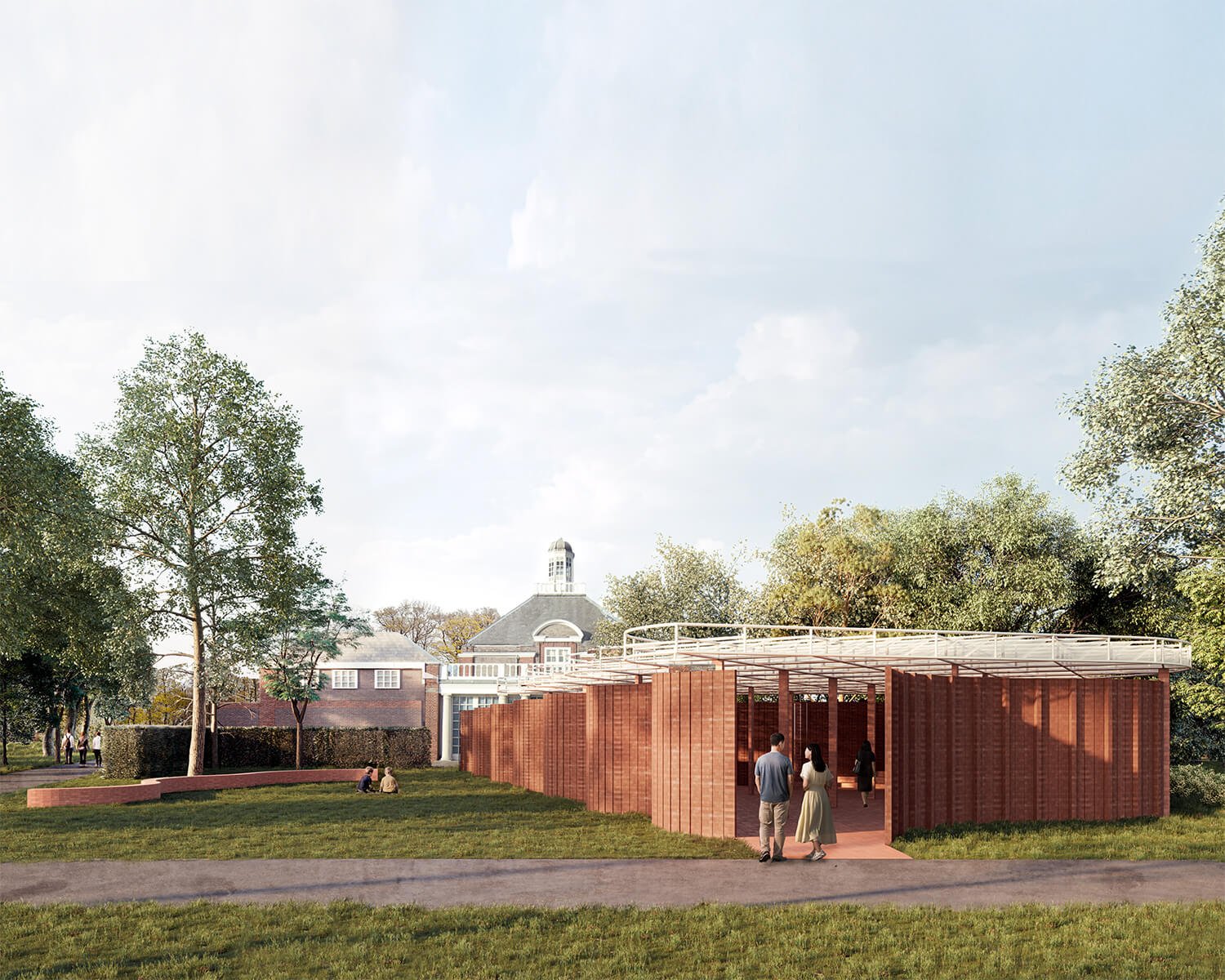
Extending this logic into the landscape, a second wall will hug the surrounding site, its organic curves meandering around the tree canopy. Within this enclosure, a series of brick columns creates a forest of its own, supporting a translucent roof that allows dappled light and fresh air into the pavilion. The structure is, as the firm explains, “conceived as a device that both reveals and withholds: shaping movement, modulating rhythm, and framing thresholds of proximity, orientation, and pause.”
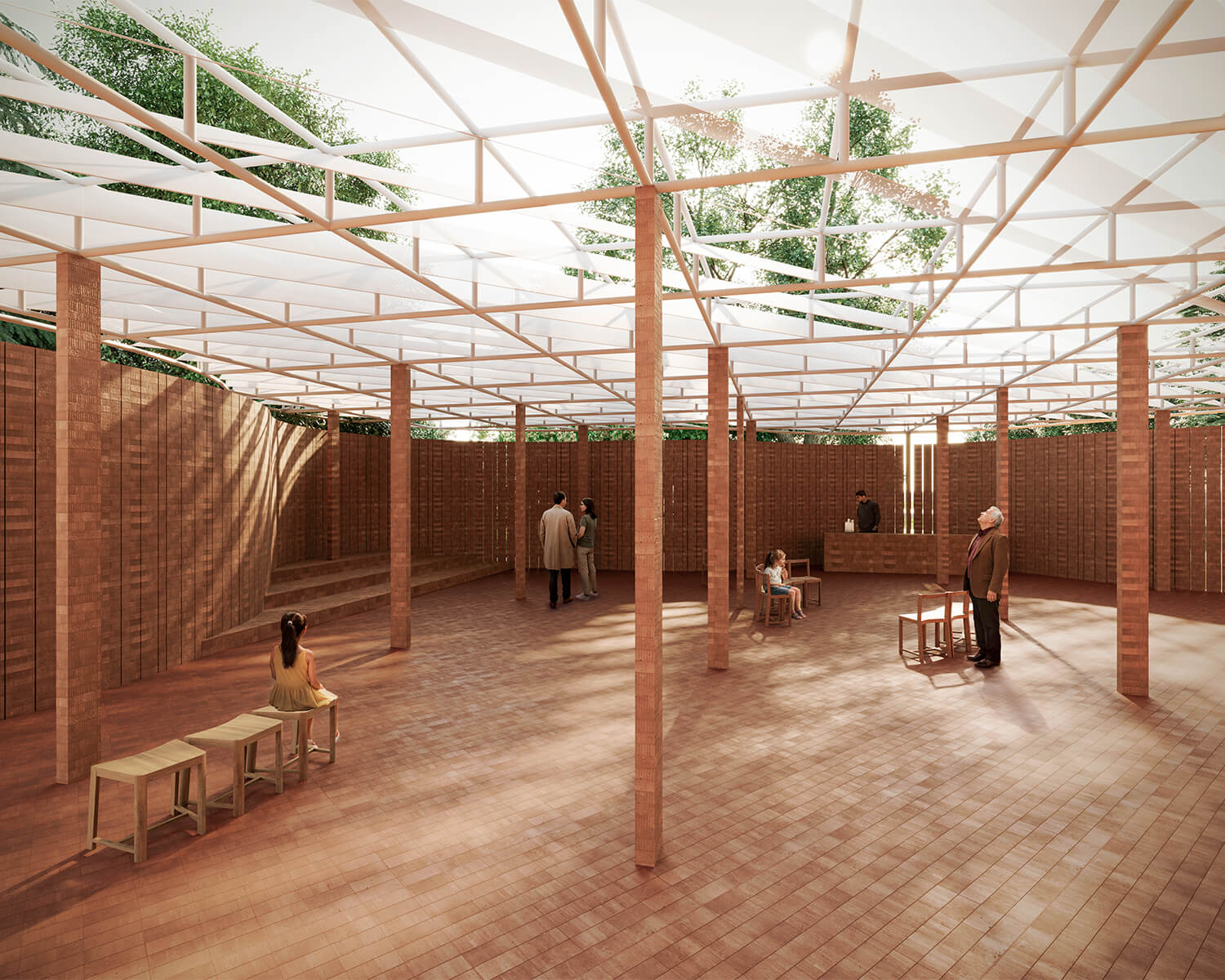
As always, the pavilion will host a range of events throughout the summer and fall, including music and theatre performances, film screenings and lectures. This programming reflects LANZA atelier’s longstanding commitment to community. “LANZA atelier’s architecture always involves a deep engagement with the local context, materials and lived experience,” says Hans Ulrich Obrist, Serpentine’s artistic director. “In their own words, they create contemporary spaces whose energy can last. Their spaces invite people to imagine a more connected, compassionate and creative future.”
To accompany the pavilion, Serpentine will publish LANZA atelier’s first monograph, which will feature a conversation between the firm and Ulrich Obrist, as well as an essay by José Esparza Chong Cuy. Illustrated in colour and designed by Estudio Herrera, the book will bring together architecture, art and poetry — reflecting a practice shaped through drawing and making, where structure, material and human exchange are treated not as separate concerns but as parts of a single, carefully composed whole.
LANZA Atelier to Design the 2026 Serpentine Pavilion
The Mexico City firm extends its exploration of craft, geometry and shared space onto an international stage.