

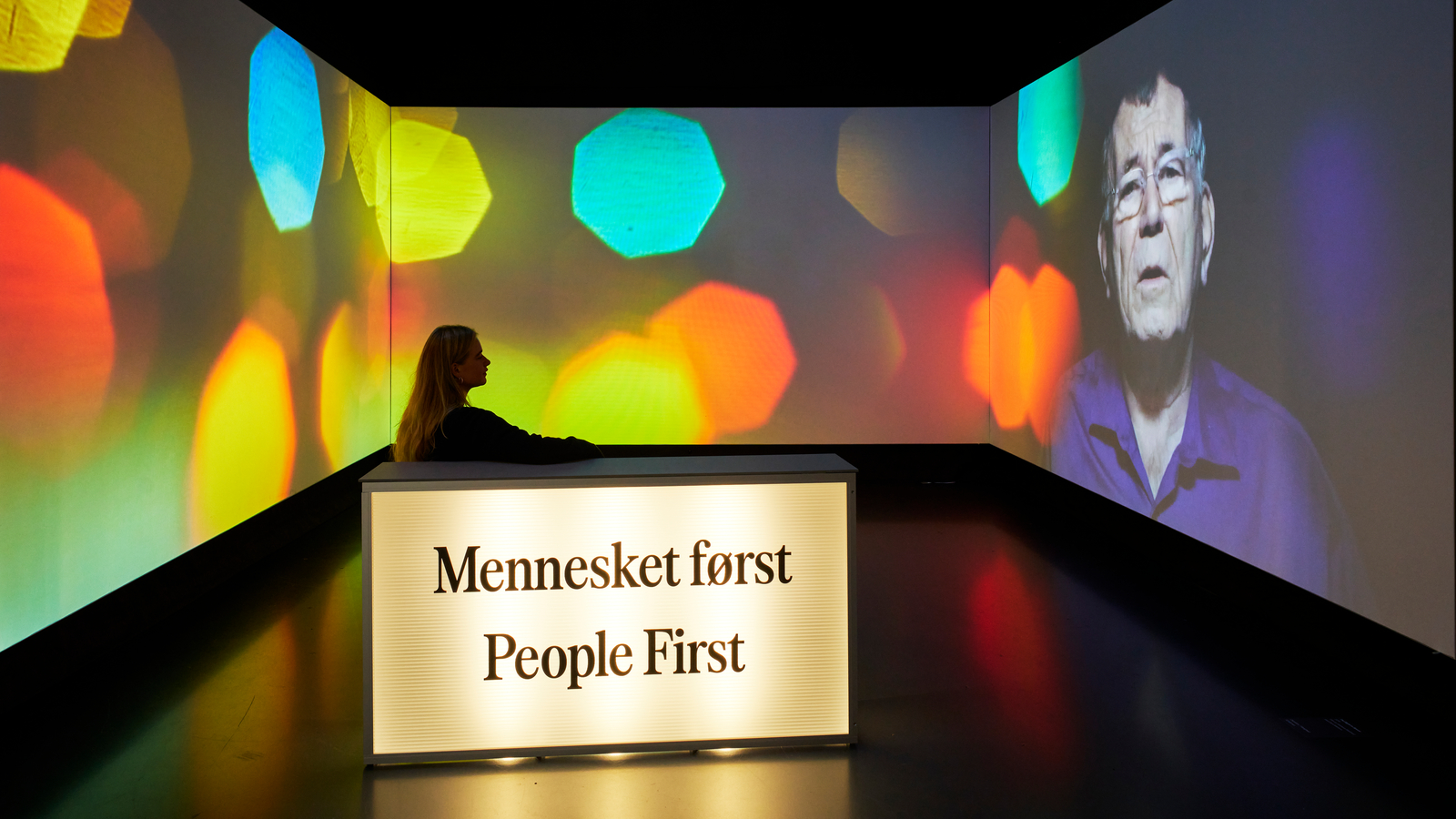
This October, Utopian Hours returns to Turin with a familiar premise: that better cities are shaped by looking outward, exchanging ideas and learning from how other places approach shared challenges. That spirit of exchange runs through this month’s architecture and design calendar, with festivals, design weeks and exhibitions across Europe, Africa and North America offering perspectives grounded in their own local cultures and conditions, but applicable to a global audience. Read on for our curated guide to the events worth knowing about now.
1
Archtober (and ADFF) — NYC
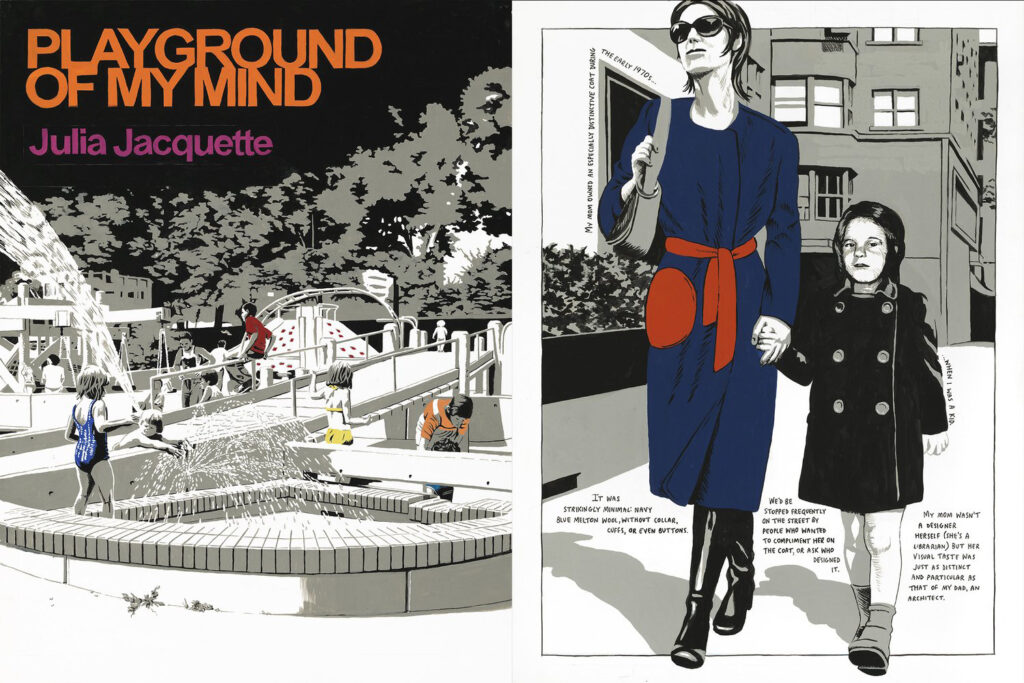
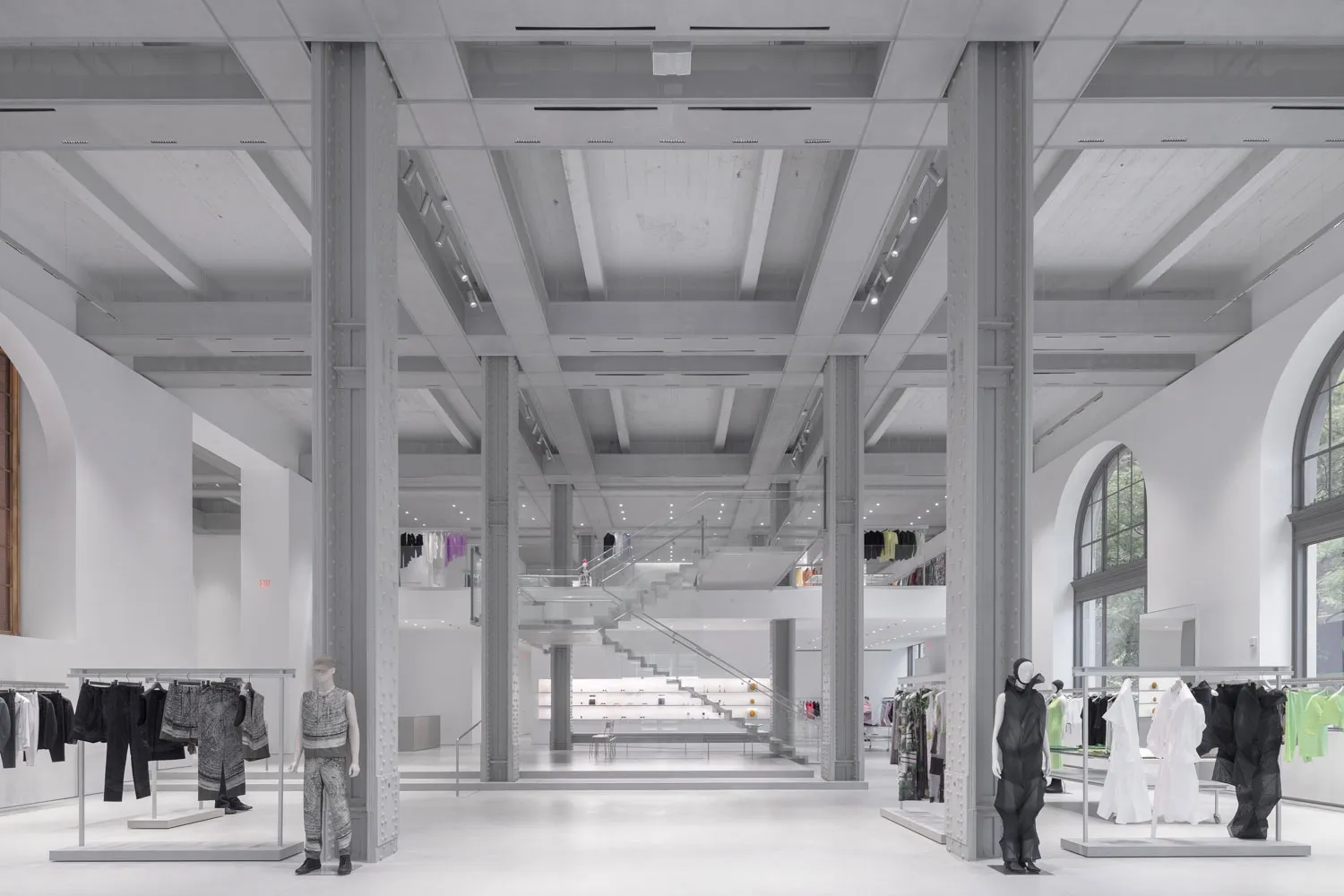
In New York, October has been coined Archtober, a month-long celebration that explores the city’s architecture through tours, talks, exhibitions and other public programming. Now in its 16th year, the festival offers an accessible way to engage with the built environment, from longstanding landmarks to some of the city’s newest additions. This year, a tour of Central Park’s modernist playgrounds revisits the inventive play spaces that emerged in the 1960s and 70s, while Archtober’s Building of the Day series heads inside SO–IL’s recently completed ISSEY MIYAKE flagship on Madison Avenue, set within Cass Gilbert’s landmark New York Life Building.
For those who prefer their architectural history lessons seated, the talks dig further into the forces and figures that have shaped the built environment. Architectural historian Matt Postal examines how New Deal investment transformed New York’s housing, schools, parks and civic infrastructure, while a conversation around the Bloomsbury Global Encyclopedia of Women in Architecture, 1960–2020 expands the historical record beyond its usual protagonists. And, if you’re willing to make a longer trip, a weekend symposium at Frank Lloyd Wright’s Fallingwater offers a rare, immersive opportunity to experience one of American architecture’s most iconic works.
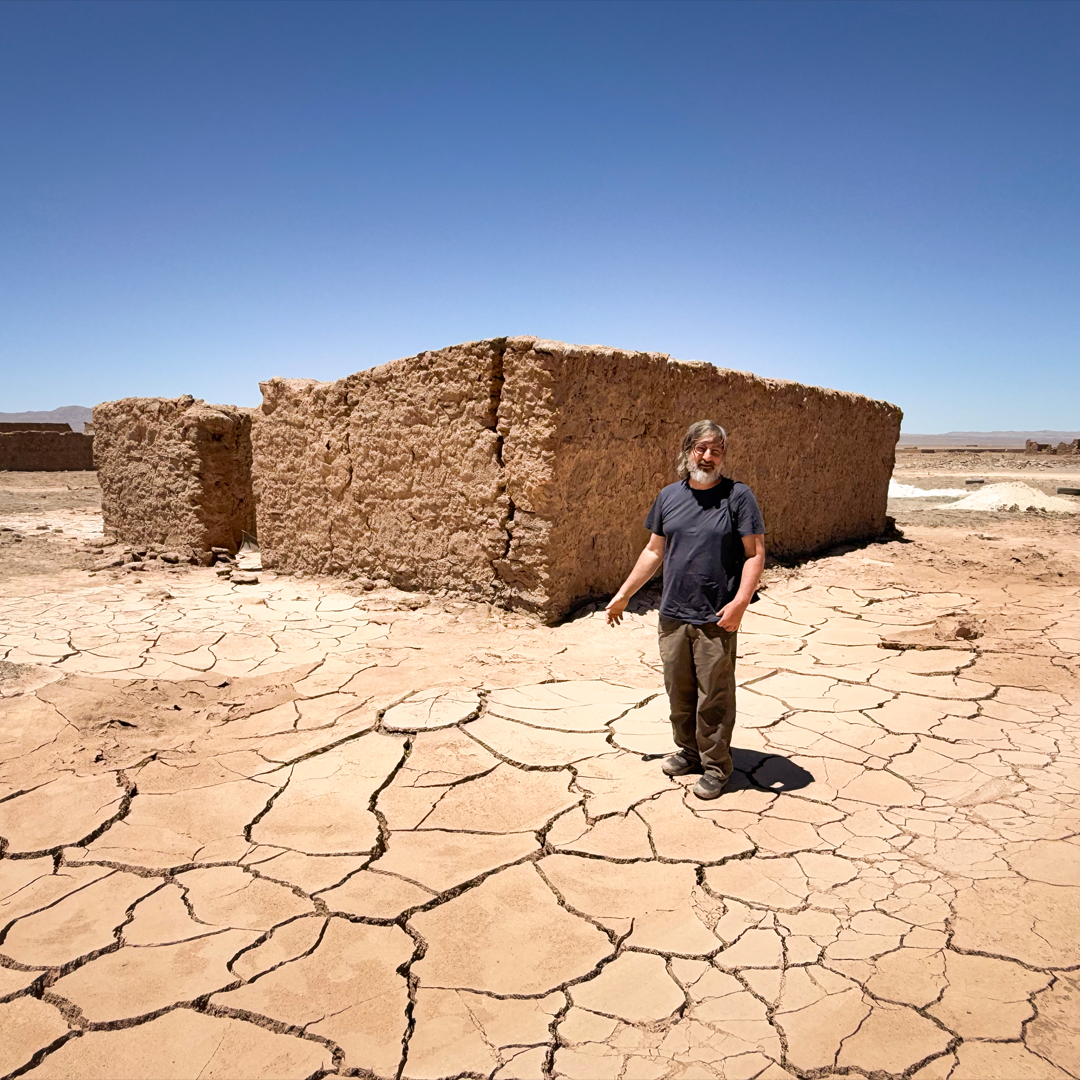
The month’s architecture programming also extends to the screen, with ADFF returning to New York from October 12 to 17. Opening at MoMA before moving to Village East by Angelika, the festival gives film buffs and architecture aficionados alike a closer look at subjects ranging from housing and adaptive reuse to overlooked architectural histories, beginning with the world premiere of MUNDO FRÁGIL, an intimate portrait of 2026 Pritzker laureate Smiljan Radić.
2
VENUS – Valentino Garavani Through the Eyes of Joana Vasconcelos — MAAT, Lisbon
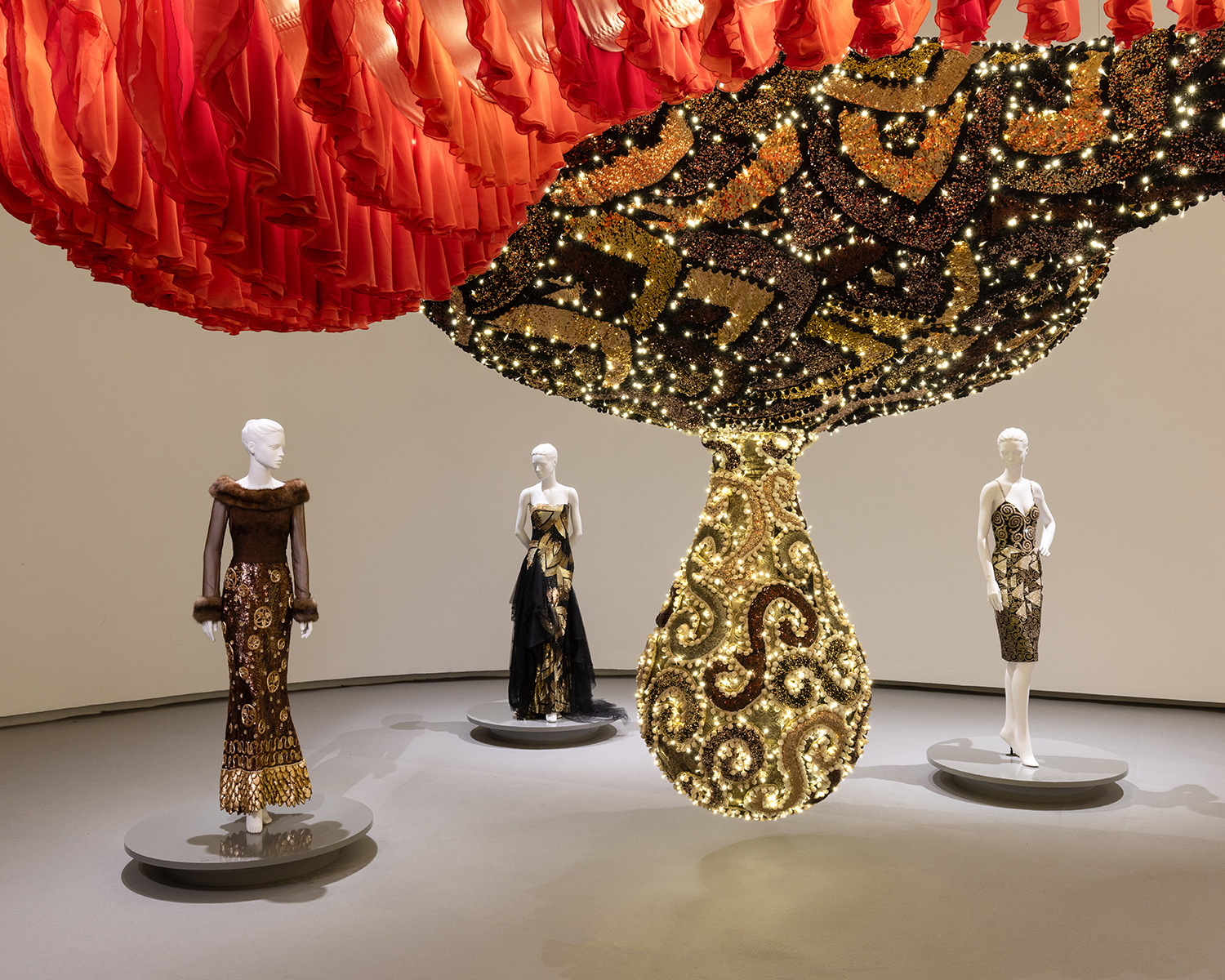
First staged in Rome earlier this year, VENUS – Valentino Garavani Through the Eyes of Joana Vasconcelos arrives at MAAT this October in a new form shaped by the museum itself. For the institution’s 10th anniversary, Portuguese artist Joana Vasconcelos has reworked the exhibition for its Lisbon setting, devising a new path through the galleries that pairs her large-scale works with 30 Valentino garments spanning haute couture and ready-to-wear.
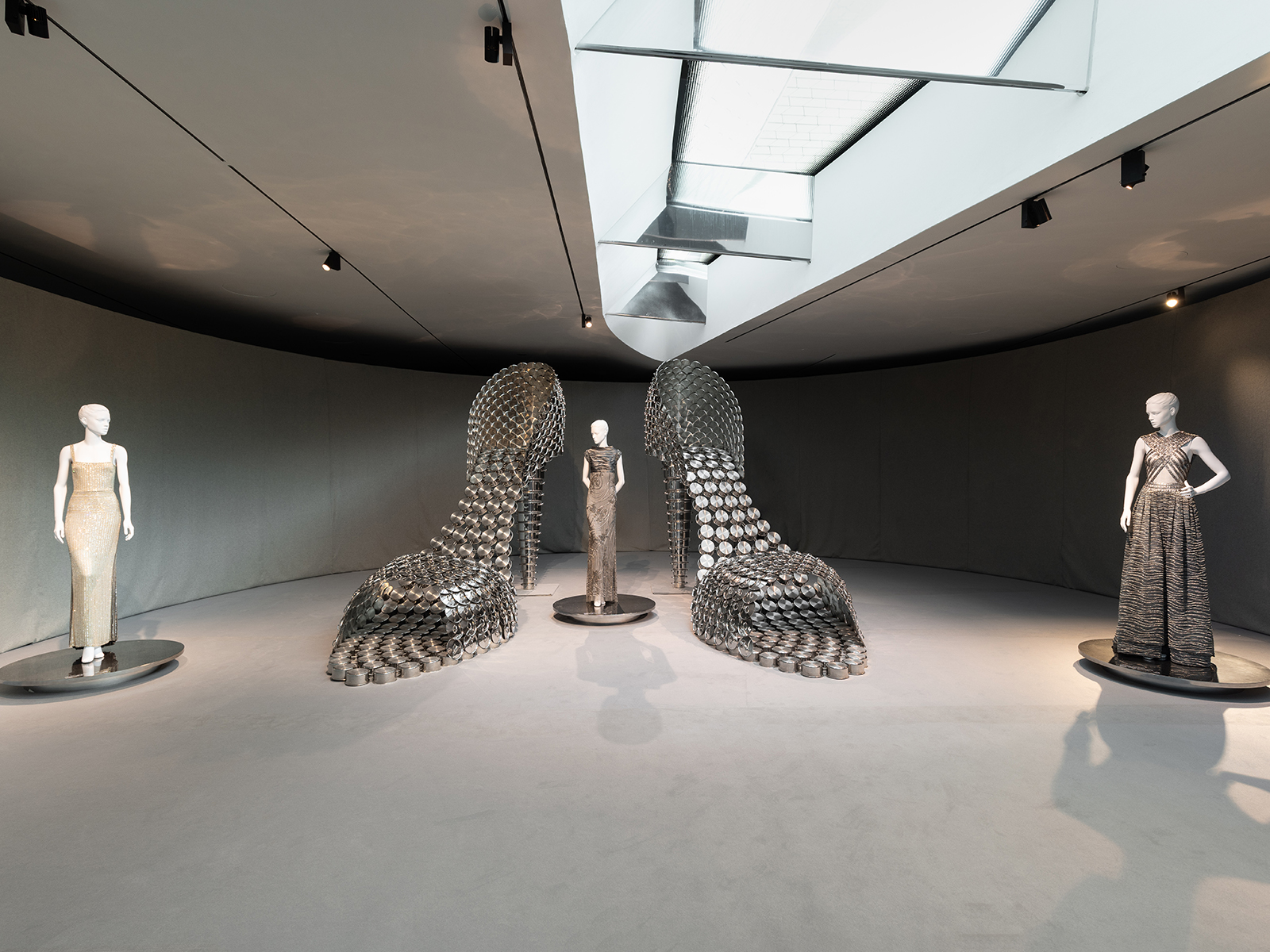
At its centre is Valkyrie Venus, a large fabric-based work created in response to Valentino’s oeuvre, joined by new pieces including a Crochet Painting inspired by a Josef Hoffmann motif from the designer’s Autumn/Winter 1989–90 collection. Familiar Vasconcelos works also make an appearance, among them Marilyn — a pair of oversized heels assembled from kitchenware — and the immersive floral labyrinth Garden of Eden. The result is less a straightforward fashion retrospective than a layered encounter between art, couture and the architecture of MAAT.
3
Utopian Hours — La Centrale Lavazza, Turin
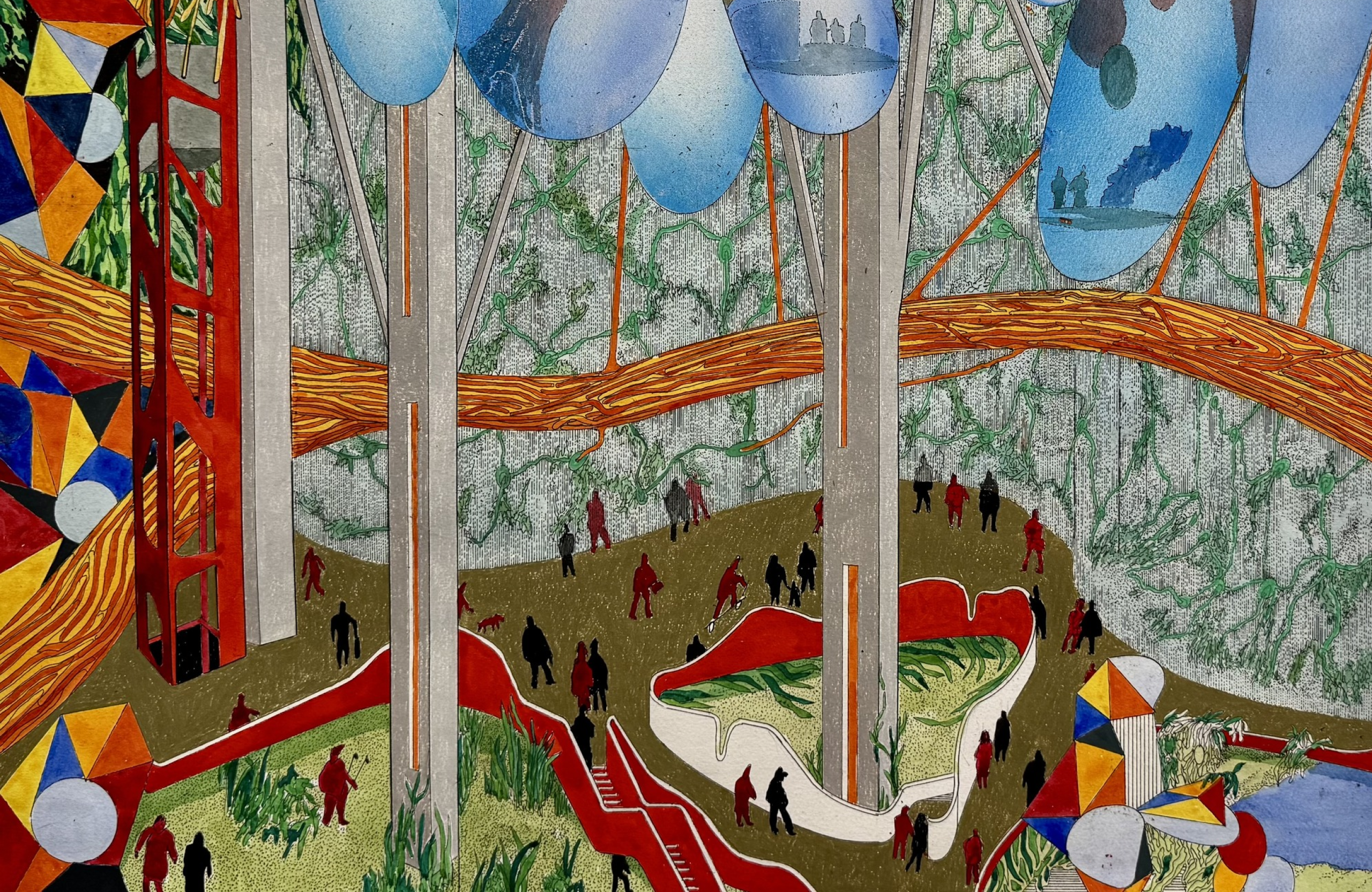
For its 10th anniversary, Utopian Hours is thinking beyond its Turin home base. This spring, the urbanism festival staged its first major international edition in Rotterdam before returning to La Centrale Lavazza on October 16 and 17 for the second half of its anniversary program. Over two days, talks, workshops and conversations will consider how cities are confronting contemporary social and environmental pressures.

Among the headliners is Archigram co-founder Sir Peter Cook, who will take the stage just ahead of his 90th birthday; an accompanying exhibition of drawings linked to Cook and the experimental collective will remain on view at Dorado Community Hub for two months. The rest of the lineup brings together diverse approaches to city-making: Herzog & de Meuron CEO and senior partner Wim Walschap; Zahra Ebrahim, co-founder of Toronto’s Monumental, which works at the intersection of communities, institutions and placemaking; Carolyn Steel, whose concept of Sitopia explores the relationship between food and place; and the director of Rotterdam Rooftop Days, an initiative that rethinks rooftops as spaces for climate adaptation and public use. Madrid’s ENORME Studio, known for participatory and adaptable design, is also on the bill. Alongside the lectures, the festival’s signature roundtables return as working sessions intended to turn big urban questions into actionable discussion.
4
Cities for People — Danish Architecture Centre, Copenhagen

What makes a city a good place to live? Danish Architecture Center explores that very question in Cities for People, a new exhibition developed with Gehl and Jan Gehl that looks at how urban planning impacts everyday life. Opened on October 5, the show offers examples of people-centred design across the globe, from Copenhagen to New York, and Buenos Aires to Shanghai, while also considering how cities are addressing present-day challenges including climate change, loneliness and unequal access to public space.

Visitors can test some of Gehl’s own methods for counting pedestrians, cyclists and cars, explore criteria for successful public spaces, and see how projects such as the transformation of Times Square, Copenhagen’s harbour baths and new public spaces along Shanghai’s Huangpu River have changed the way people utilize urban space. Other installations look at the city from a child’s perspective and ask what makes residents feel attached to particular places, bringing questions of scale, safety, play and belonging into the exhibition’s definition of a good city. Cities for People runs through April 18, 2027.
5
The Architecture of Public Space — Harvard GSD, Cambridge, USA
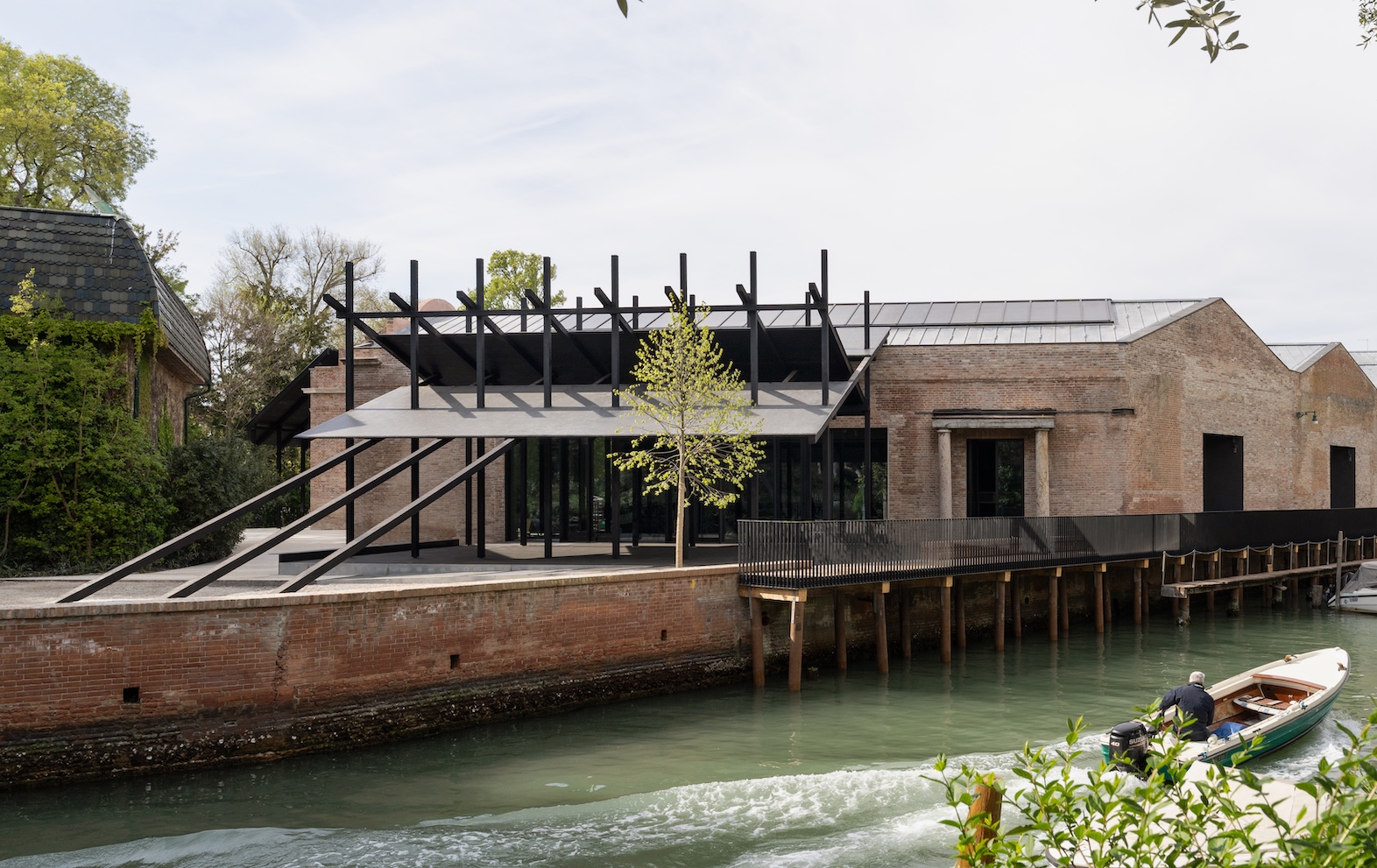
Public space keeps cropping up in this month’s events, but in the Kenzō Tange Lecture, taking place at Harvard GSD on October 21, Labics approaches it from a more urgent premise: that the spaces where collective urban life happens are being steadily eroded. The founders of the Rome-based studio, Maria Claudia Clemente and Francesco Isidori, will draw on their 2023 book The Architecture of Public Space and a portfolio that includes the restoration of Ferrara’s Palazzo dei Diamanti, the renovation of the Central Pavilion at the Venice Biennale and ongoing work at Rome’s Crypta Balbi and Archaeological Footpath through the Roman Forum. Together, these projects will ground a discussion of how architecture can put public space back at the centre of the city, and how buildings can contribute to the shared space around them.
6
Design Week South Africa
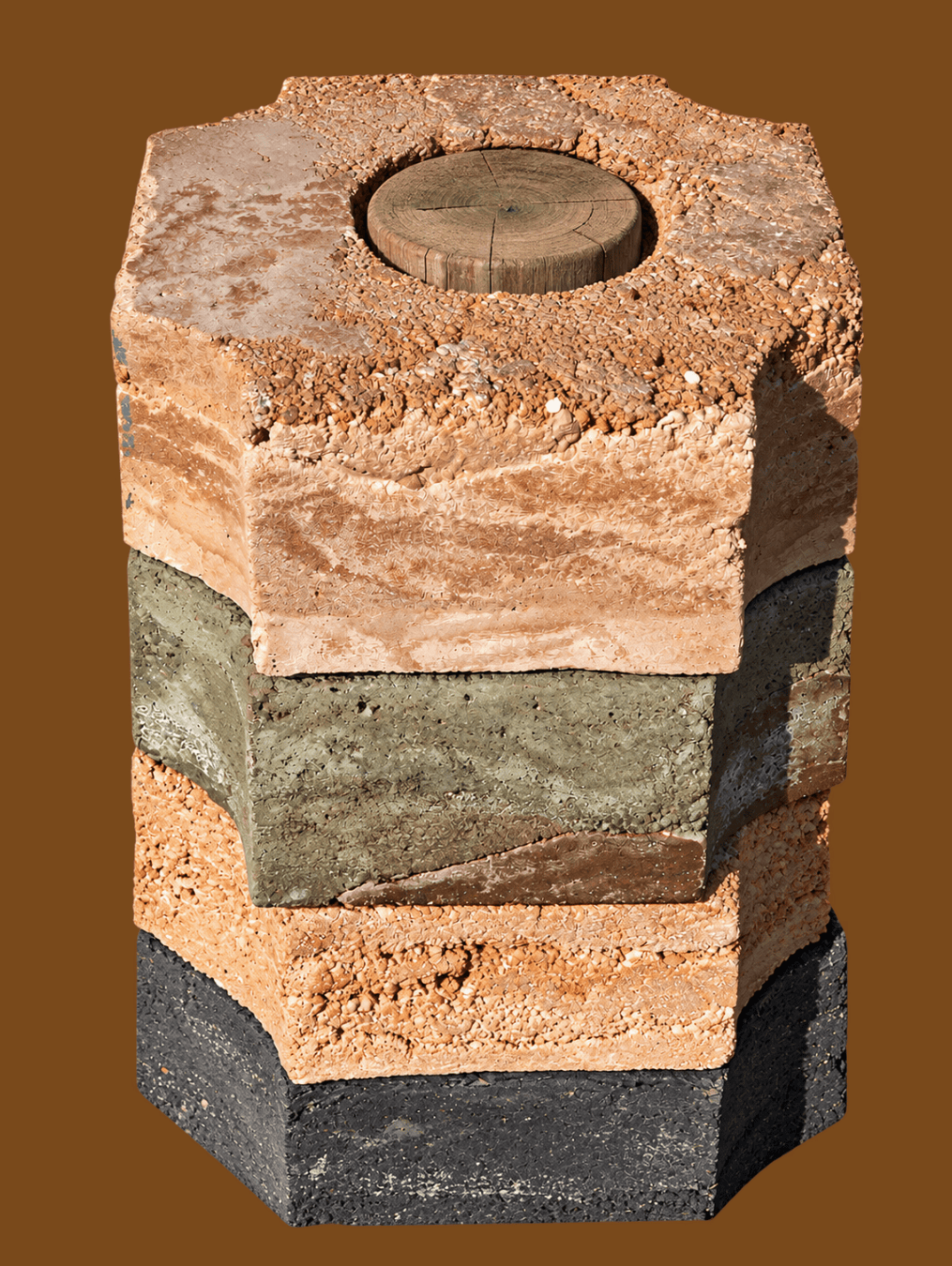
If Maison et Objet’s Rising Talent section was any indication, South African design is having a serious moment this year — and there’s plenty more where that came from at Design Week South Africa. Launched in 2024, the festival is a relatively new addition to the international design calendar, with two four-day programs taking place first in Johannesburg (October 8–11) and then Cape Town (October 22–25). Spanning architecture, furniture, craft and other creative disciplines like fashion and music, the lineup moves between studio visits, architectural tours, installations and conversations about the future of South African design.

In Johannesburg, some of the strongest activations turn their attention to the city itself. Studio Form and Young Urbanists will test 20 prototypes of FORM, a modular element made from recycled plastic waste and sand that can function as seating, planters, curbs and other pieces of public infrastructure. Elsewhere, Why Is Sandton So Hard to Walk? brings designers, transport officials and developers together to examine the district’s pedestrian challenges before heading out for a walk through Oxford Parks, while Joburg on Foot explores proposed improvements along Joubert Street. The conversation widens with A Canon of Our Own, which asks what South African design might look like when defined through African knowledge systems and cultural memory.

Cape Town puts architectural practice and making more squarely in focus. SALT Architects will unpack the realities of designing high-quality, cost-effective educational buildings in South Africa, while SAOTA marks four decades of practice with an exhibition examining how place, research and changing contexts have shaped its work. And at Omvli Studio, Somila Tshazibane hones in on craft with an installation tracing the development of the studio’s hand-printed textiles from initial concept through finished pieces.
7
Dutch Design Week — Eindhoven

Dutch Design Week’s reputation as a launchpad for emerging talent is closely tied to Eindhoven’s design schools — notably, Design Academy Eindhoven, whose annual Graduation Show helped lay the groundwork for the festival more than two decades ago. Its experimental, process-driven approach is especially relevant this year: under the theme R.A.W. (Rebel Authentic Worth), the 2026 edition puts emphasis on work that is exploratory, unfinished and willing to challenge established ideas.
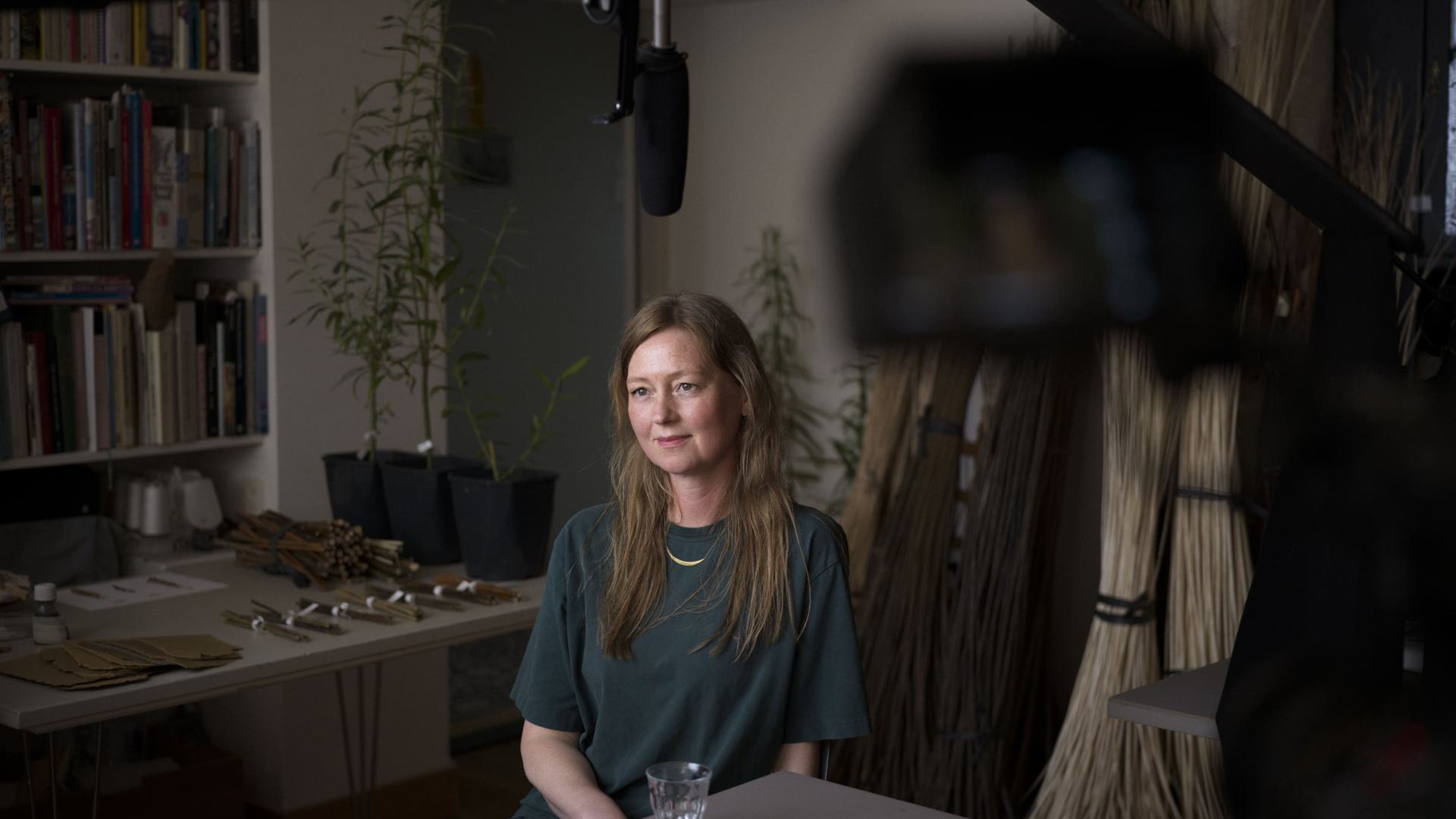
Emma van der Leest’s The Biodesign Warehouse, for instance, will playfully present products made with bacteria, fungi and algae in the format of a department store. The displays range from clothing and cosmetics to packaging, interiors and building materials, showing how biological materials are already finding their way into everyday applications. Material research also runs through Christien Meindertsma’s Local Linoleum, which traces the origins of wool and flax while developing new uses for locally sourced materials, including linoleum tiles and 3D-printed wool. Of course, there’s still plenty of more traditional design on show: Forward Furniture gathers roughly 100 emerging and established designers, each presenting a small collection rather than a single statement piece.
Visit our Events section to keep up with what’s happening in the global design community.
Design Calendar: Art, Architecture and Design Events Not to Miss This October
October’s architecture and design events take on questions of city-making, public space and how we live together, offering perspectives from cities around the world.