
Smell is the most direct route to memory, yet it remains the least explored sensory design tool. Appreciating contemporary perfumery is remarkably design-adjacent to architecture in many ways, including an appreciation for structure, material behaviour, and developing a meaningful design narrative that can draw inspiration from site conditions or ecological factors. And yet, most designers have not stopped to critically assess the value of perfumery beyond browsing a duty-free shop or experiencing a scented lobby in a boutique hotel.
Olfaction, defined as the act or process of smelling, is gaining greater cultural seriousness as new audiences seek out embodied experiences through art, museums and public spaces. Scent is becoming a design medium in its own right — one that architects can specify with the same intention they bring to light, material, and sound. Arts-based organizations with open-access pedagogy, niche perfumers collaborating with architects, and site-responsive installations are moving the idea of scent closer to invisible architecture.
“In the 20th century, we’ve been taught to define perfume as an object of consumption, so when I’m teaching at an art or architecture school, I tell students that any intentional combination of aromatic materials for a predetermined result is how I define perfume,” says Saskia Wilson-Brown, Founder and Executive Director at the Institute for Art and Olfaction (IAO) in Los Angeles. “If an architect takes mahogany wood or rough cedar or whatever, and intentionally combines them for a smell purpose, that architecture then becomes an instance of perfume.”
Scent has mystery and ineffability; it opens doors to memory while grounding us with the opportunity to perceive a meaningful truth and beauty physically through our nose. For perfumer and educator Ashley Eden Kessler, who teaches at the IAO, “Our community comes from diverse fields, craving sensory engagement and understanding the fullness of their experience in the dimensional world. Digital life and COVID isolation created a hunger for embodied experience.” Kessler’s own collaborations extend beyond creating perfumes to include projects such as scented music and artwork for immersive installations, as well as helping an architect evoke the essence of forests, water, and moss for a client presentation. “Perfumery doesn’t require huge capital — it’s about curiosity, experimentation, and storytelling,” she says.
Kessler also points to scent’s cultural charge. “When we talk about decolonization, scent is a huge lens. Smell can also mark Otherness.” She understands how bodies, foods, textiles, and unfamiliar rituals can be labelled dangerous or bad, just as she inspires artists to develop a creative olfactory practice that can powerfully “provoke awareness, deconstruct narratives, and build inclusivity.” That duality — between perfume as intrusion and perfume as cultural exploration — helps explain why the medium is being rethought in galleries and studios.
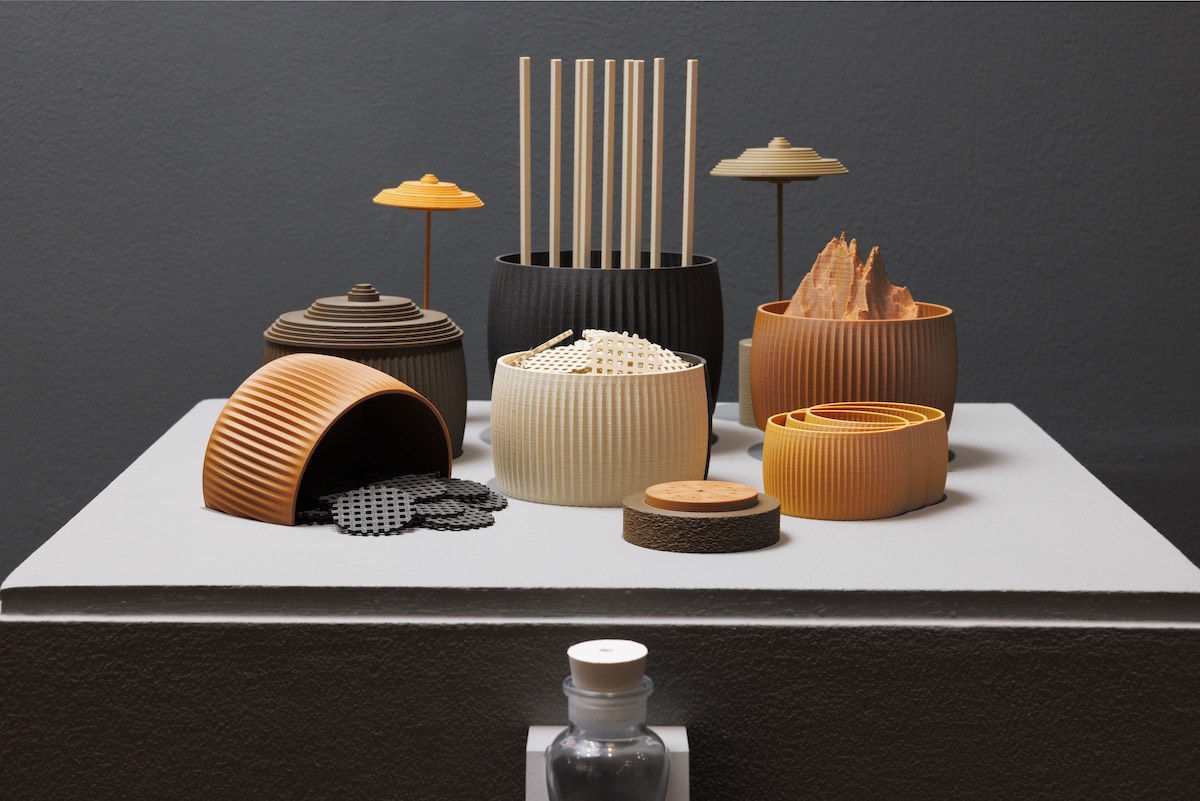
Founded to inspire experimentation and access, the IAO frames scent as an ever-evolving art form, while providing the tools and contexts for artists and designers to incorporate olfaction into technology, storytelling, and contemporary art. In museum contexts, it couples exhibitions and educational programming with its perfume organ in the lobby. A perfume organ is a way for perfumers to organize often hundreds of aromatic materials needed to compose a scent. The IAO’s onsite perfume organ is open to the public and intended as a neutral space for making. The result is not just the display of fragrance molecules, but also an opportunity for olfactory-related pedagogy and practice through education, public programming, and exploration. This hybrid of school/lab/gallery is a great platform for design schools and museums to emulate for the purposes of cultivating olfactory literacy.
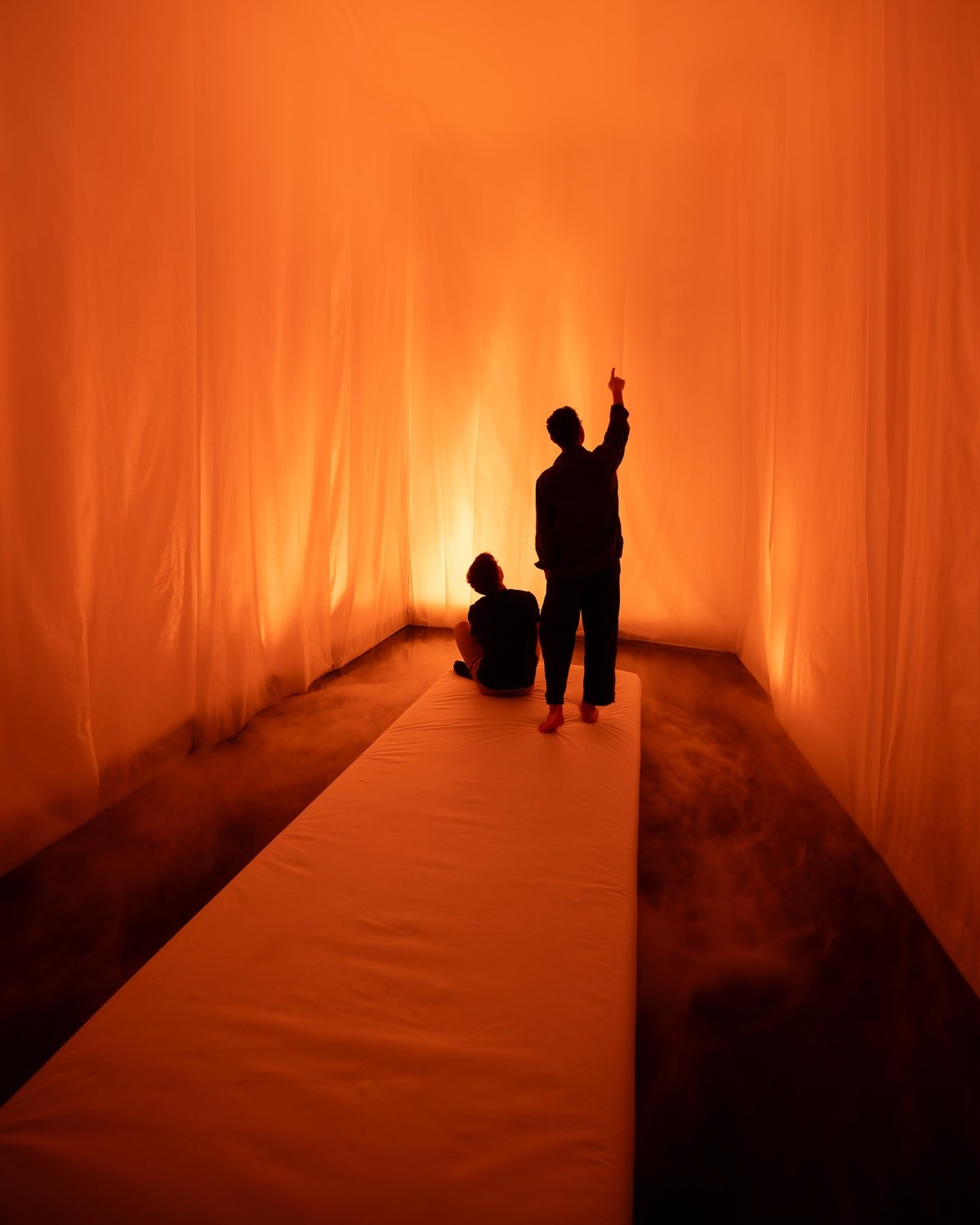
When Stanley Sun, Co-Founder and Creative Director of Mason Studio, sought collaborators working with scent, he discovered perfumer Chris Bull of CBCB Fragrances, located just a few blocks away from his Toronto office. “For us, scent isn’t just about being pleasant — it’s about a memory extraction tool,” Sun says. He wanted Mason Studio to develop its own scent as a way of expressing our identity. What followed was Still, a water-themed installation where visitors received a wrist-applied fragrance at entry — folding olfaction directly into the choreography of arrival. “People’s reactions were immediate and visceral — sometimes joyful, sometimes negative. That range is the beauty of scent,” Sun notes, adding that “the goal isn’t one uniform response but to provoke emotion, create memory, and spark engagement with space.”
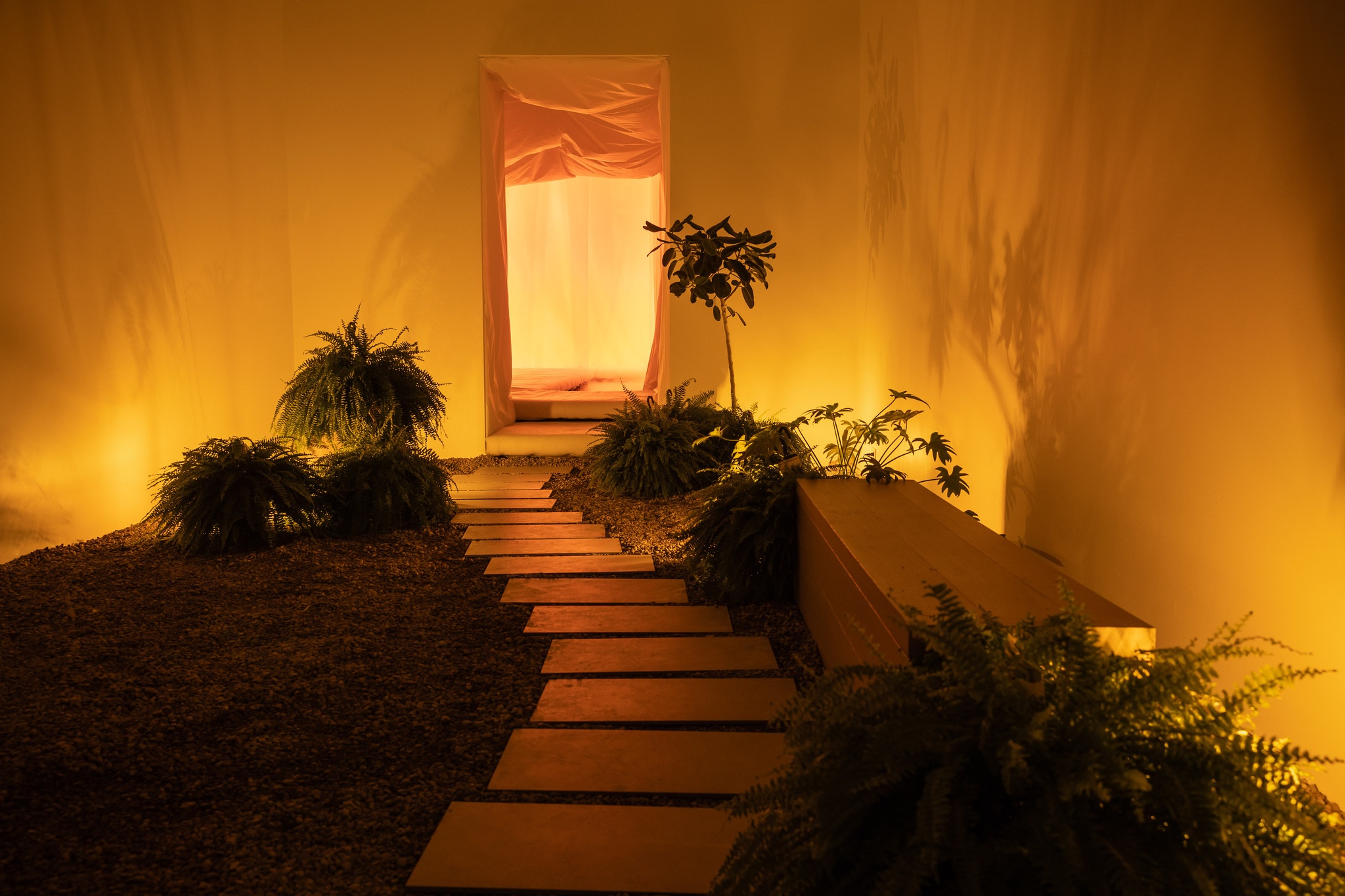
Bull is a self-taught perfumer, obsessive, and musically trained. He also represents a new generation of niche perfumers who have a deep understanding of the connection between spatial design, artistic expression, and olfaction. An example might be his designing a fragrance to capture her memory of her mom’s Chinese herbal medicine shop, mixed with the smell of a broken fax machine. That’s the kind of specificity that drives his work. Bull’s dad was an architect, and dated more than a few and loves their attention to detail. “Smell works faster than visuals, it’s personal and immediate,” he says. He explains perfume the way a producer explains a track: “Top notes are like melody — bright, fleeting. Base notes are harmony — grounding and structural.” With Still, the aim was photorealism tempered by ambiguity: rain, ponds, storm-charged air — close to, but not under, the water — so visitors could “fill in the blanks” from their own memories. The installation formula, he adds, was surprisingly minimal, comprising only 12 ingredients.
Bull’s broader philosophy to scent is a study in authenticity and aura. “It’s no different from someone buying a fake Eames chair… At first glance, it may look authentic, but if you know what to look for, you can sense something’s missing,” invoking Walter Benjamin’s 1935 essay “The Work of Art in the Age of Mechanical Reproduction,” in which art may be more easily reproduced, but also more susceptible to commodification and manipulation.
Sun, for his part, wants to frame his briefs conceptually through “emotions or narrative arcs” rather than lists of perfumery notes he’s exploring with Bull. He points to the 2000 film Dancer in the Dark starring Björk and directed by Lars von Trier as an inspiration for pace and tension: “dark yet hopeful, still yet emotional.” Applying that idea to interior design, he imagines “walls of scent that shift between rooms,” or thresholds defined by concentration rather than partitions. The goal is to create a felt identity — “calm, humility, silence, introspection” — that is carried from his studio to client spaces without becoming a generic lobby signature. “Design is a tool that can support or exploit,” Sun cautions. “With scent, the same is true.”
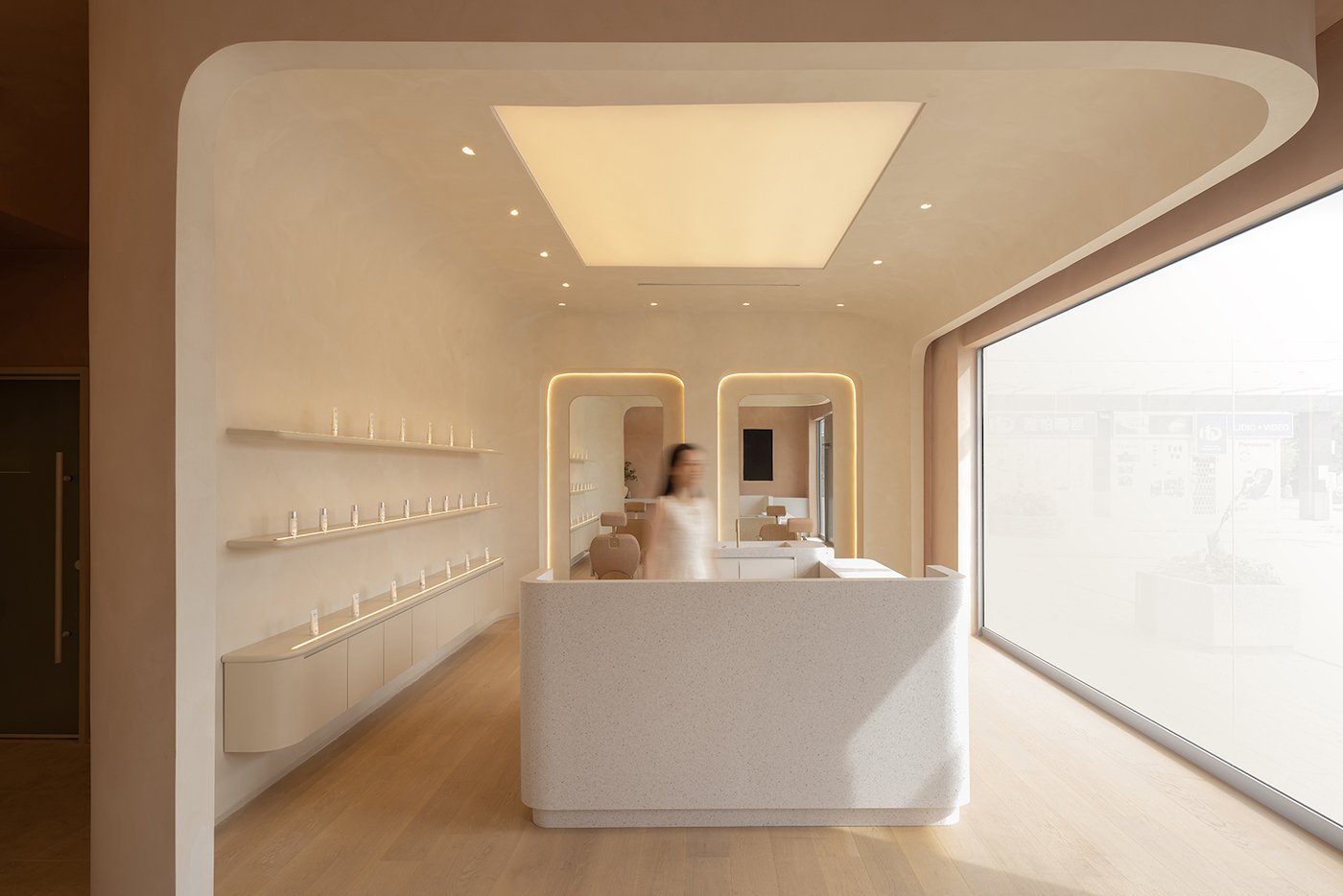
Bull and Sun are simultaneously operating as perfumers and designers, something Wilson-Brown sees as a perfect example of imagining perfume as next-level thinking. Even if there are challenges in keeping wood aromatic over time, new spatial dimensions are invented to be experienced more than seen.
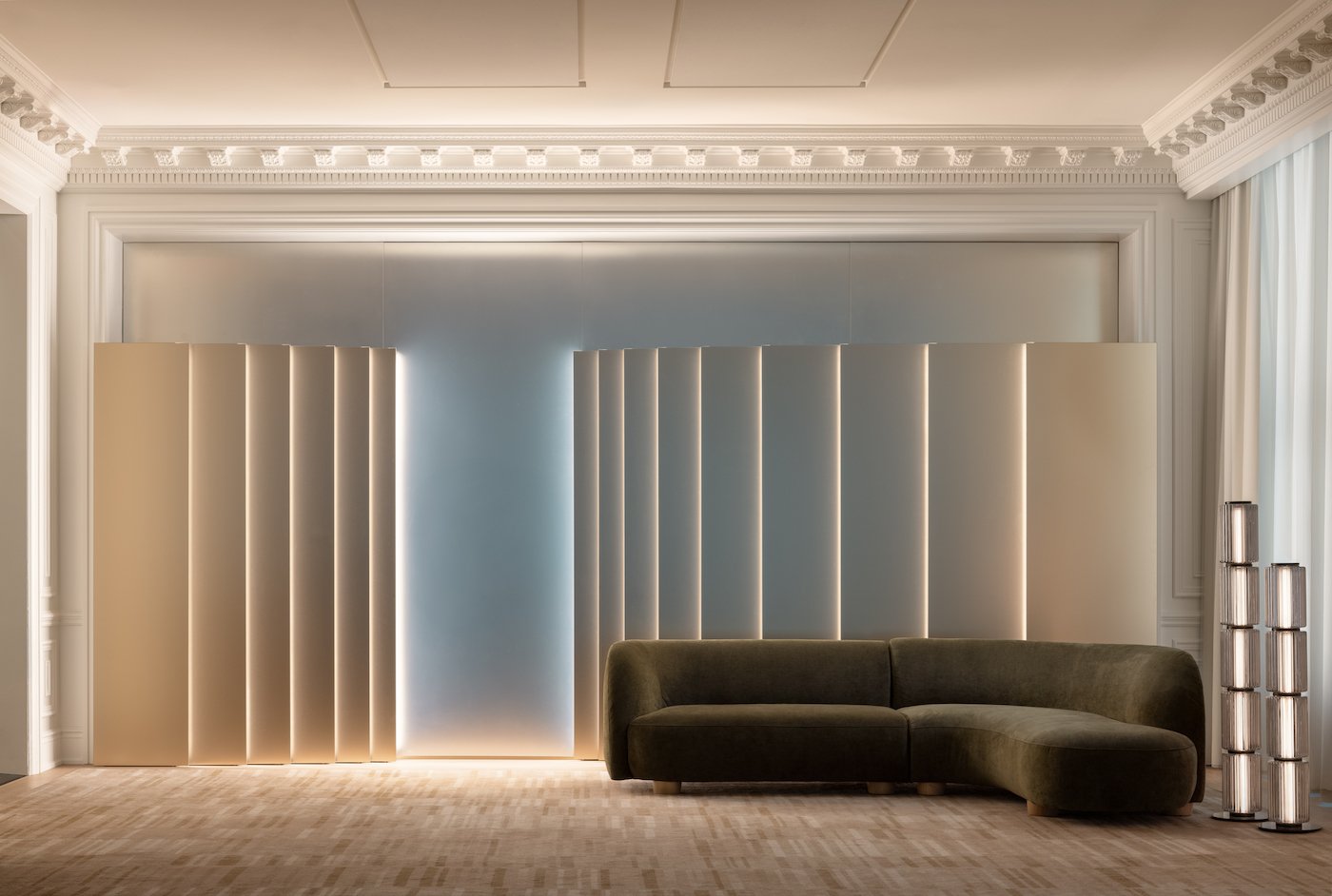
“Smell works faster than visuals — it’s personal and immediate,” says Bull. “Looking at the Farnsworth House, I can admire it, but smelling something connects me instantly to memory. With perfume, I can play with materials like a building material in The Sims, where I can think about a structure that is no longer bound by rules.”
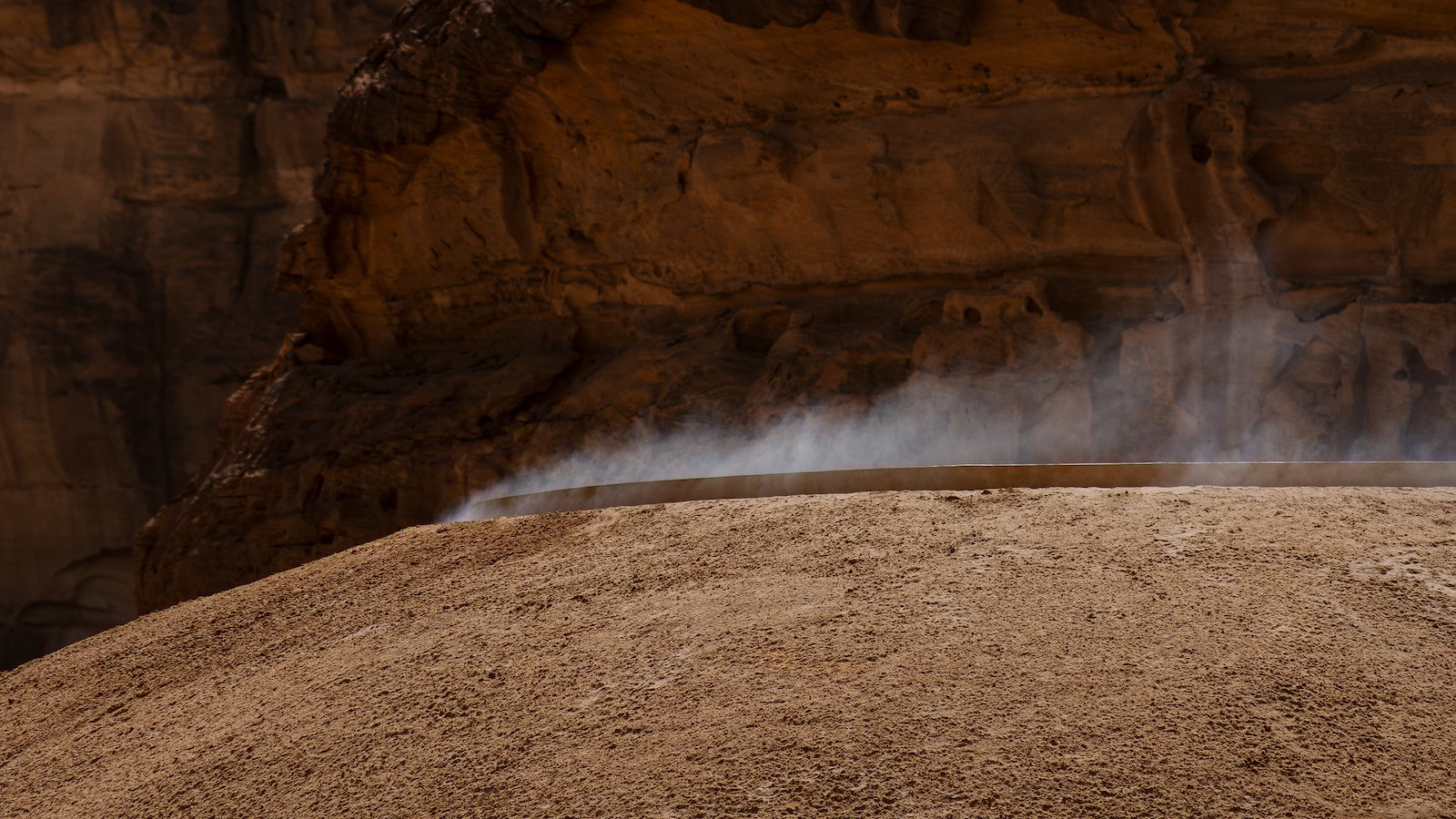
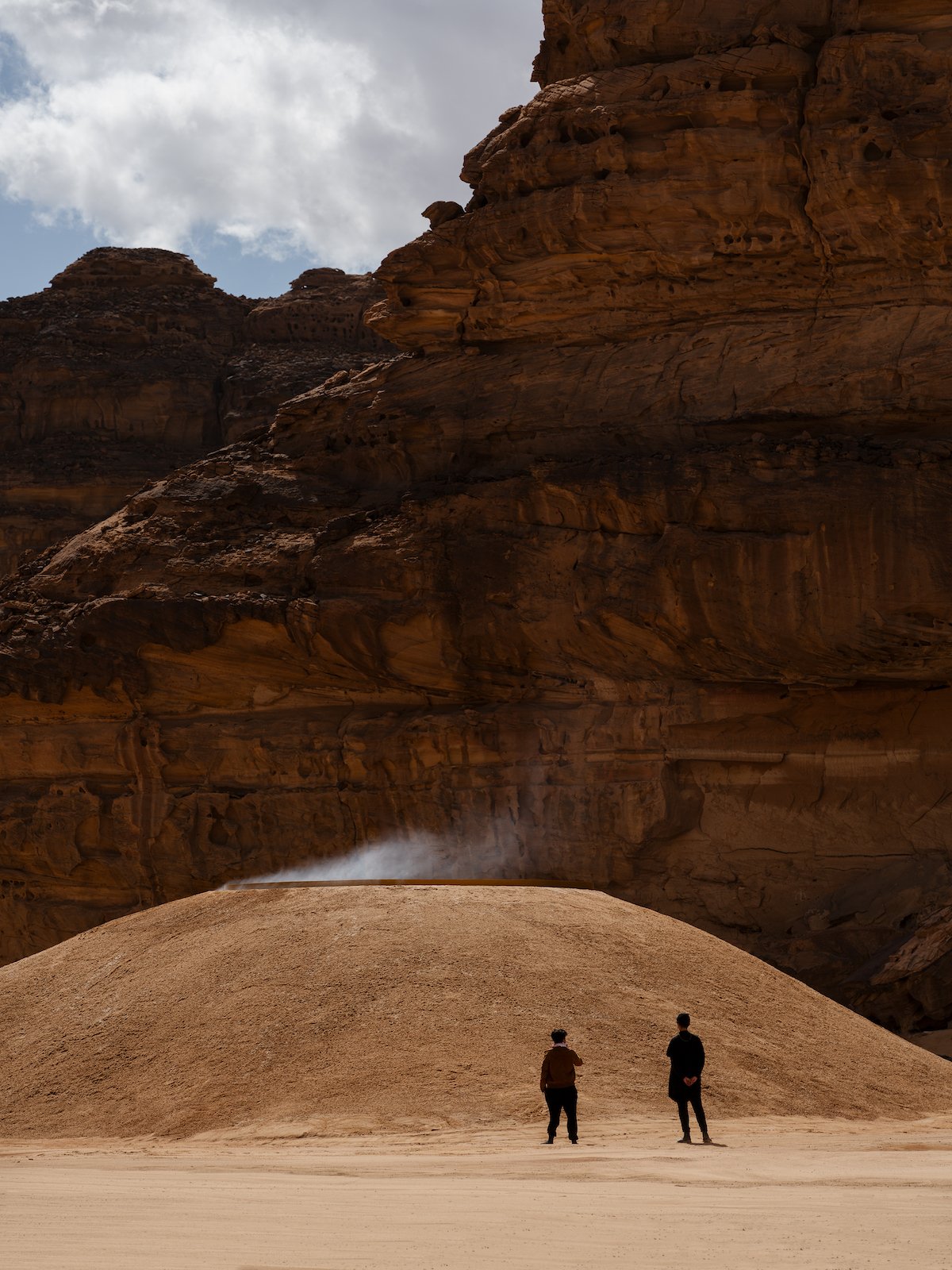
Brazilian artist Karola Braga treats scent as a medium for ethical and political expression. “We live in an age dominated by images. Scent resists that. It demands presence,” she says. “You can’t capture it on a screen, and when it disappears, it’s gone, like life itself.” In Sfumato (2024), her critically acclaimed desert-scale land-art installation inspired by the ancient Incense Road, Braga created temporary structure made of sand with an incense room underneath that “made scent visible” through wind-shaped smoke — a vast, breathing volume of air. Commissioned by the Royal Commission for AlUla in north-western Saudi Arabia, “The goal was to highlight the scent as the artwork itself, an invisible architecture that can change the perception of a place,” says Braga.
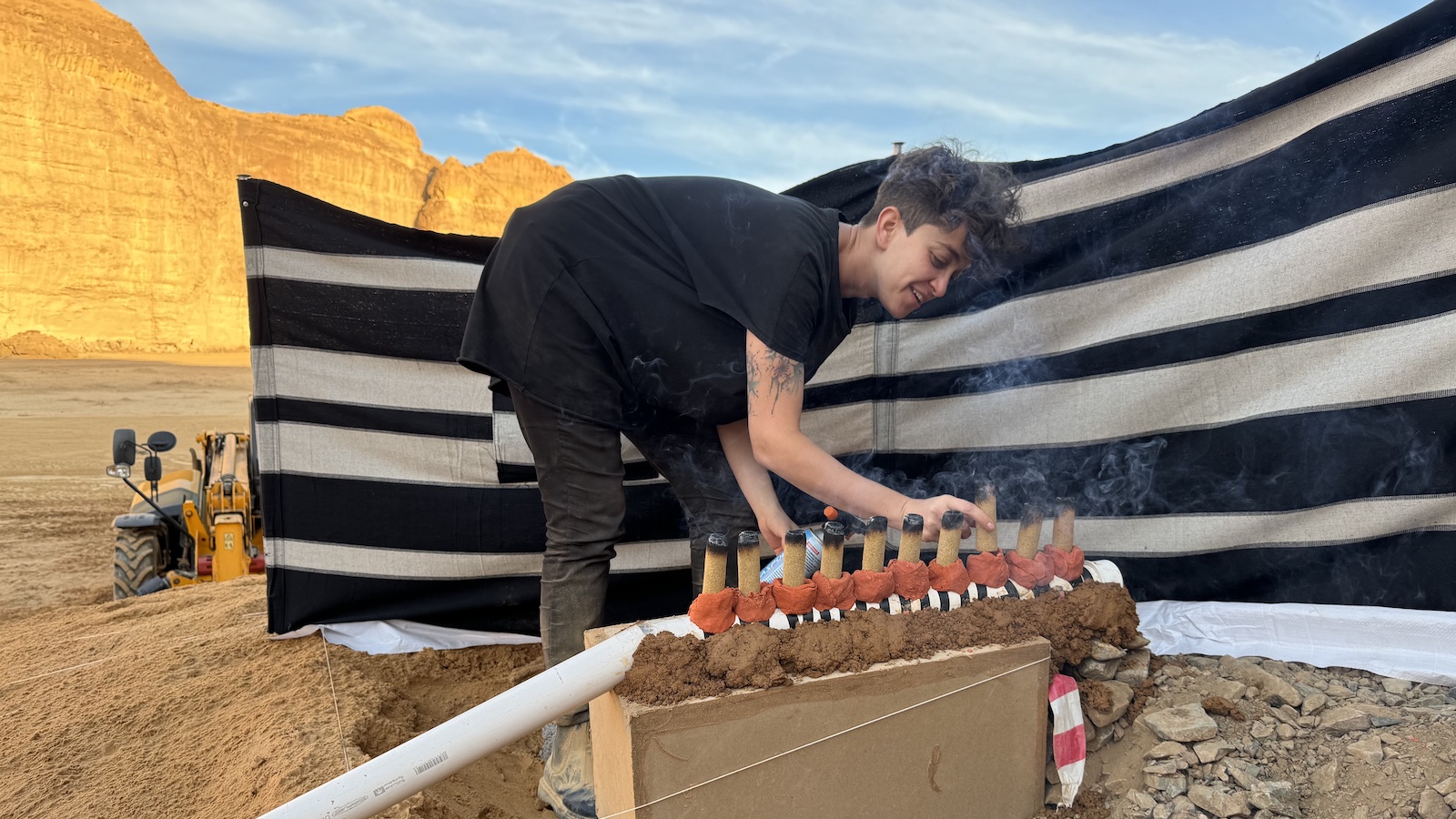
Invisible architecture is not a metaphor for Braga but a design brief. For Sfumato, she sourced resins from incense trade histories, formulated environmentally safe mixtures, and worked with architects and engineers to exploit temperature shifts and negative pressure across dunes. Early failures became features; pipes and drafts were tuned like ducts and baffles.
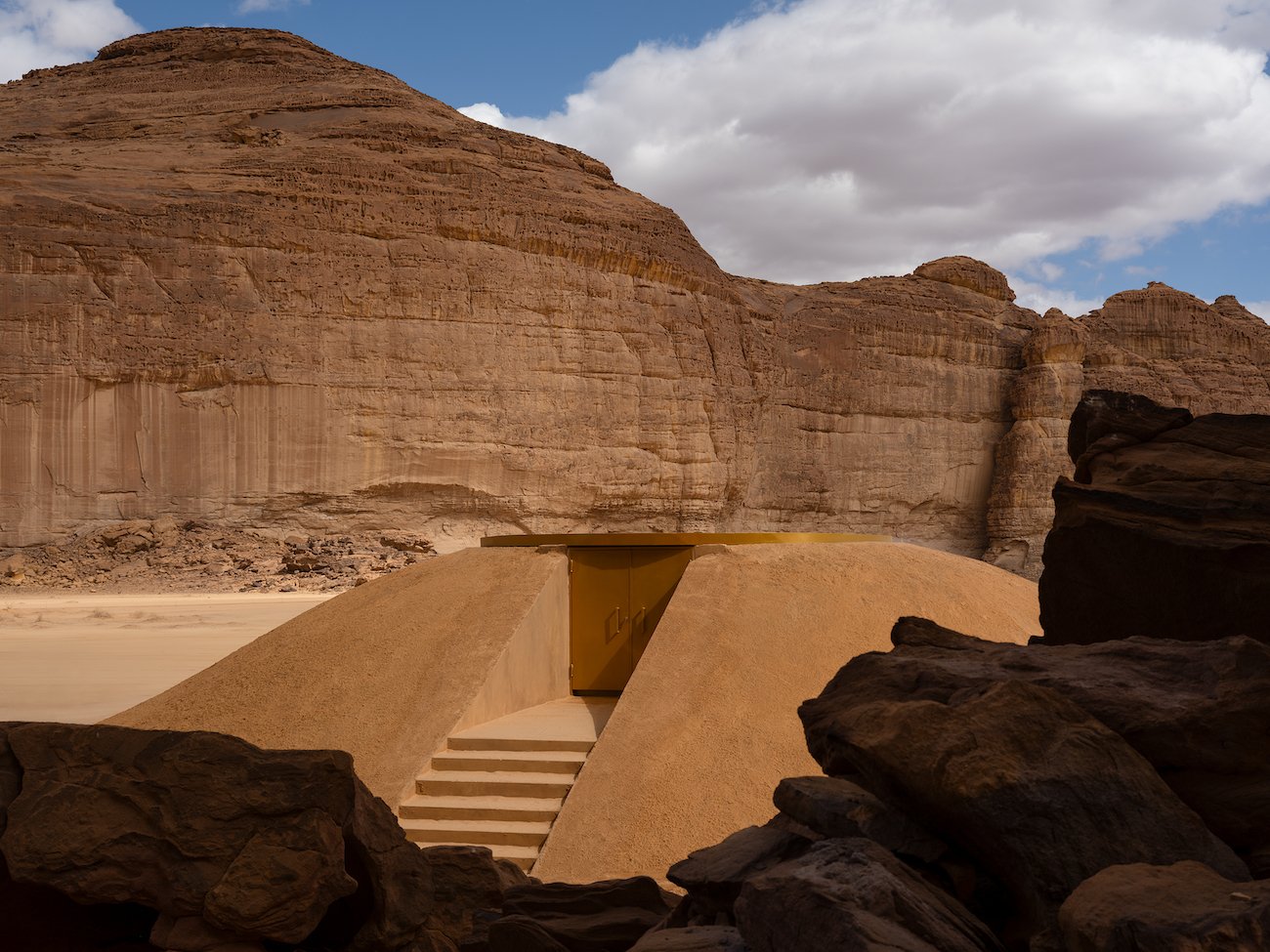
“Collaboration was essential,” she says. “After several trials, it worked. We literally made the desert smell.” Even the desert answered back — animal footprints traced curiosity around the work at night.
Braga’s installations help bring cultural memory to the surface. In São Paulo, she staged a spiral sequence of soil, grass, wood, flowers, fruit — evoking the Atlantic Forest and its erasures. Rituals with copal resin linked Mesoamerican offerings to colonial rewritings: “That history shows how scent can unite, divide, or resist.” For architects, the lesson is clear: olfactory design can re-situate a site within longer ecologies and contested narratives, not just mask them. One reason she treats audience care and environmental stewardship as primary constraints is that “Unlike sight or sound, you can’t close your nose,” she notes.
Where Braga works with land and ritual, Korean-American artist Anicka Yi imagines her work as ecologies of air. Yi is known for her “biopolitics,” which breaks down distinctions between plants, animals, micro-organisms and machines to help us rethink how we interact with our ecosystems. “I talk a lot about how power has no odour,” she says. “This is why you should not be smelling any odours when you walk into a gallery in Chelsea, or when you walk into a bank,” adding, “These are places of power and sterility, oftentimes associated with the masculine.” Conversely, her “biopolitics of the senses” are clearly shaped by cultural values. “We associate smells with the feminine. We associate the invisible with the feminine. We associate sight and mastery and knowledge with the masculine.” In an interview with The Guardian, Yi was quoted as saying, “I don’t really like looking at things. Maybe that’s why I work with olfaction. We give too much weight to that which we can optically observe.”
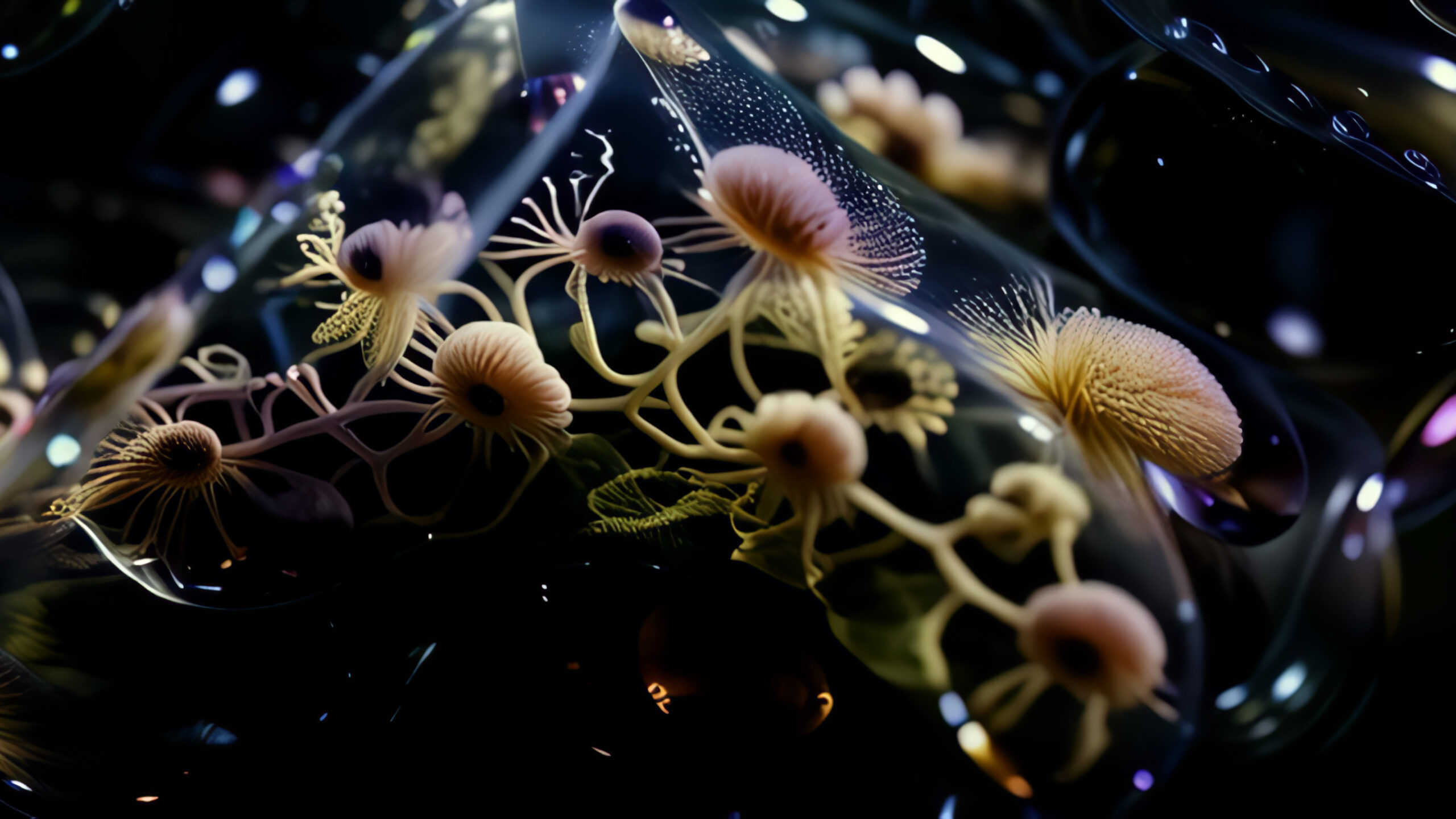
At the Leeum Museum of Art in Seoul, Yi’s 2025 solo exhibition featured her latest video, “Each Branch of Coral Holds Up the Light of the Moon” (2024), which uses algae, bacteria and tempura-fried flowers to introduce ideas about materials that decay, transform and reject Western obsessions with preservation and control. In 2021-2022, Yi took over the Turbine Hall at Tate Modern in London with In Love With The World, where air was her primary material and subject. Visitors entering the museum encountered a series of drone-like helium-filled flying creatures reminiscent of primordial jellyfish and amoeba to help recontextualize the massive interior space, just as she introduces challenging new smells into the hall every week, inspired by periods of London’s history: the Roman era, cholera, the bubonic plague, and industrialization. In an interview with The New York Times, Yi notes, “I want to foreground the idea that air is a sculpture that we inhabit,” she says.
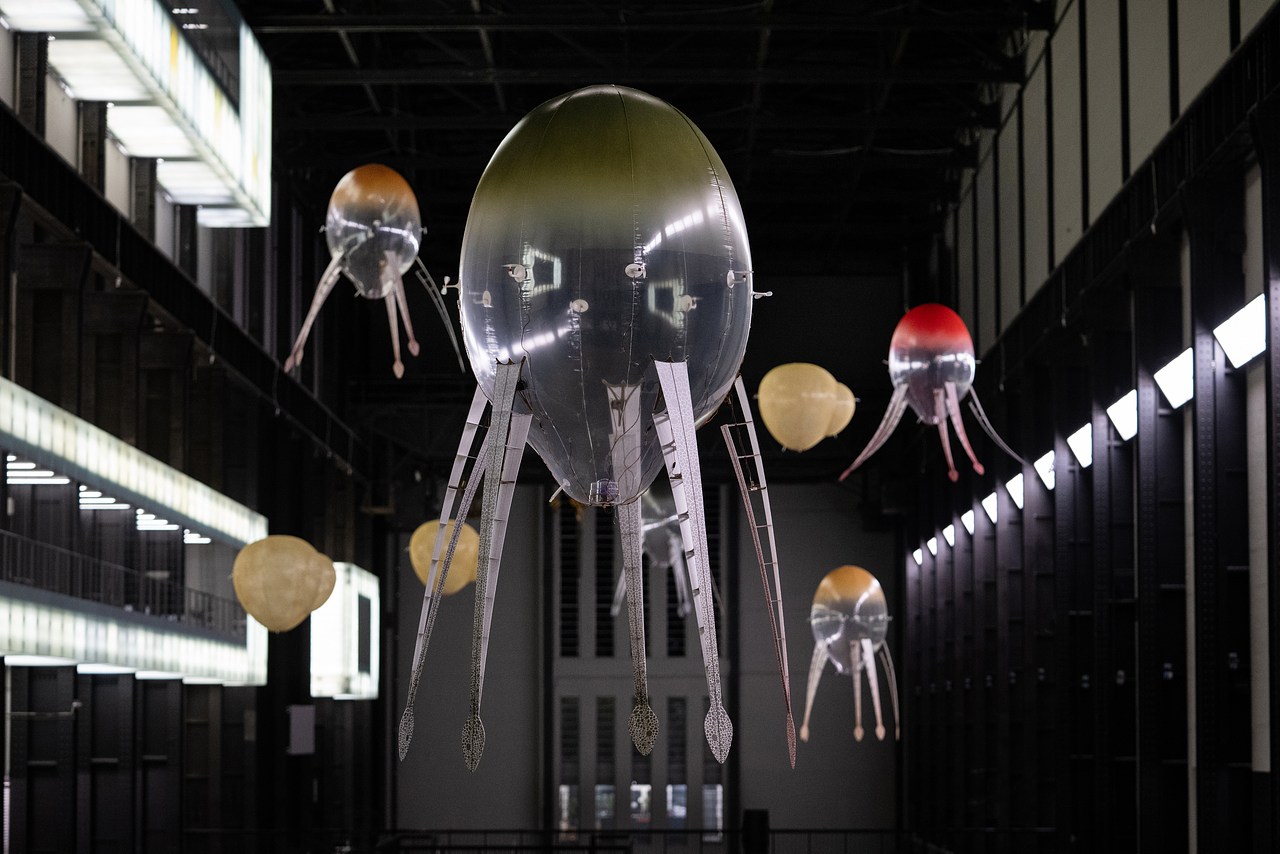
For architects, her work is an invitation to treat air as medium, challenging our perceptions, primarily through scent that we perceive as offensive often reflects deeper anxieties about, gender, class or control over our built environment.
It remains to be seen how the sense of smell will be incorporated into architecture and design projects. To be sure, artists, architects and perfumers alike are seeking new ways to enhance our experiences through olfaction to build community and challenge our conceptions of the built environment. The powerful link between scent and memory, and its impact on altering our physical realities, will undoubtedly become more common as we continue to seek meaningful real-world connections.
Ian Chodikoff is an architect, urban designer, and writer. He consults with architecture and design firms across Canada, and is also studying to be a perfumer.
Scent Design: Toward an Architecture of Air
A new generation of artists, perfumers, and designers is using smell as a structural material — reshaping space, memory, and meaning.