
At the end of every year, Azure’s editors convene to select the year’s best design work, with lists ranging from interiors to civic buildings, homes, public spaces and more. And while choosing from a wealth of global standouts is invariably one of the most challenging — and sometimes contested — parts of our jobs, picking out the best in product design might be the hardest task of the bunch. After all, a field encompassing everything from (residential and contact) furniture to lighting, outdoor products and household goods is notoriously difficult to narrow down. What’s more, 2025 was a year of icons in the making. Below, we round up 10 of the many designs that are still on our minds in December.
Our top 10 favourite products from 2025 include:
- Jean Nouvel seating collection by Jean Nouvel for Coalesse
- F300 chair by Pierre Paulin for GUBI
- Butter sofa by Faye Toogood for Tacchini
- Maap light by Erwan Bouroullec for Flos
- Quilting by Sew Gee’s Bend Heritage Builders, Stephen Burks and Dedar
- Soleil and Eclipse Outdoor Planters by été
- Saki table by Nendo for Minotti
- Fresh Catch by Lauren Goodman
- Cygnet lighting by Michael Anastassiades
- Trace of Water by Honoka for Aqua Clara
.

1
Jean Nouvel Seating Collection by Jean Nouvel for Coalesse
Like most of Pritzker Prize-winning architect Jean Nouvel’s portfolio, this sculptural seating collection is a head turner — literally. Take the tête-à-tête loveseat, for instance, whose flexible S-shaped design allows its users to turn and face each other for comfortable conversation, or buckle down for solo work sessions. Drawing from similar pieces common in 18th-century French salons, and also the fluid movements found in nature, the collection feels both timeless and unexpected. But the seating collection also stemmed from some practical design challenges. “A lot of in-between spaces are tricky to arrange when furniture is so rectilinear because it really breaks spaces up rather than allowing people to flow through them,” Meghan Dean, general manager of Design Brands and Partners at Steelcase (Coalesse’s parent company), told us in our initial coverage.

By respecting the natural flow of space, the pieces’ organic nature make them more inviting and approachable; they are also designed to be highly ergonomic, with each one tested on a wide range of body types for optimal comfort. But being able to execute these shapely forms in a variety of fabrics, from leather to vinyl, is no easy feat. “It’s like asking a seamstress to cut exactly the same suit, but with totally different stretch and variables. It takes a lot of work to ensure that a simple curve won’t have wrinkles or puckers,” Dean explains. That labour is celebrated with prominent double stitches along the seams, drawing the eye to the beauty of the curves.
.
2
F300 Chair by Pierre Paulin for GUBI
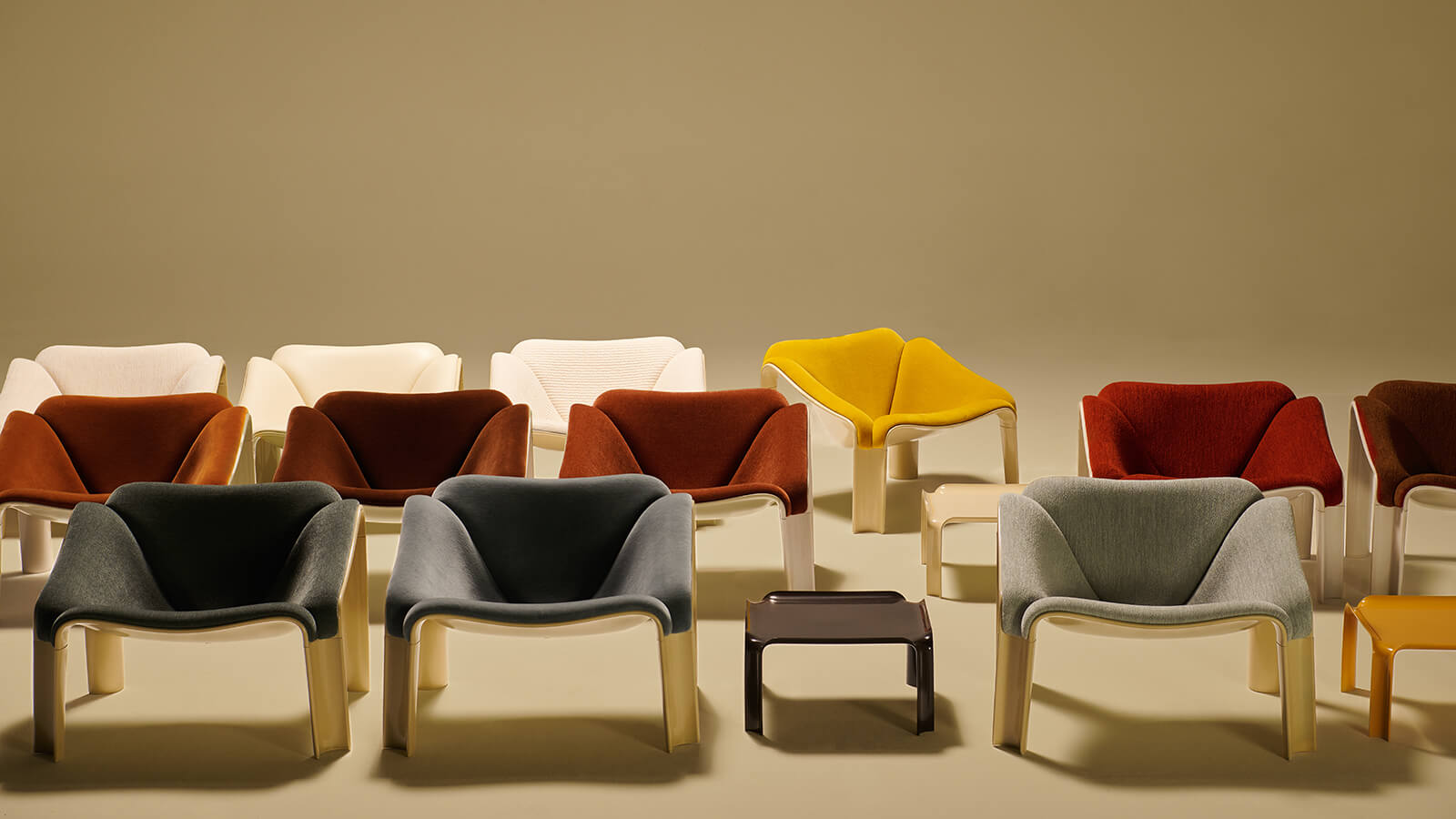
GUBI’s revival of the F300 Chair was something of a cultural moment in 2025. Though its design by Pierre Paulin dates back to 1965, the futuristic form was ahead of its time. In fact, the chair feels just as at home in contemporary interiors as it did upon its initial release. “We don’t bring anything back because of nostalgia, we bring it back because we feel that it is relevant now,” explained Gubi’s CEO, Marie Kristine Schmidt, when we saw the piece in person at 3daysofdesign in Copenhagen. Indeed, ergonomics never go out of fashion, and the F300’s angular geometry is suited to all manner of seating positions. “The F300 perfectly embodies my father’s approach to design and the balance between sculpture, elegance, and comfort he sought in his work,” said Benjamin Paulin. “The design is rooted in research and a practical understanding of how people sit. It is almost impossible not to relax when you sit in it.”
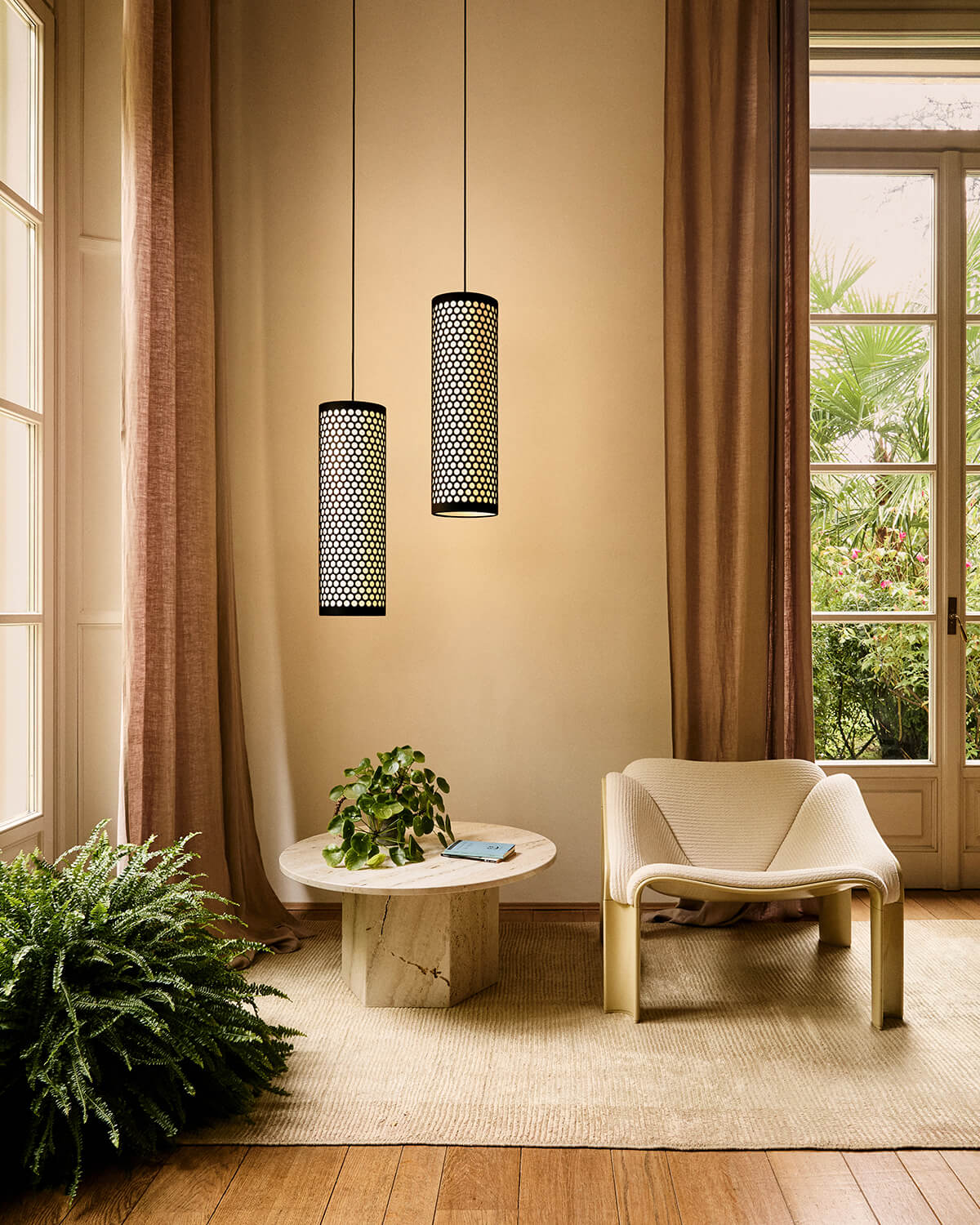
GUBI traded the original’s fiberglass construction for the more eco-conscious HiREK material, an engineered polymer made from plastic waste, with an inherent high-gloss surface that doesn’t require additional finishing processes. Now as sustainable as it is innovative, the F300 Chair has been given a new lease on life, six decades after its release.
.
3
Butter sofa by Faye Toogood for Tacchini
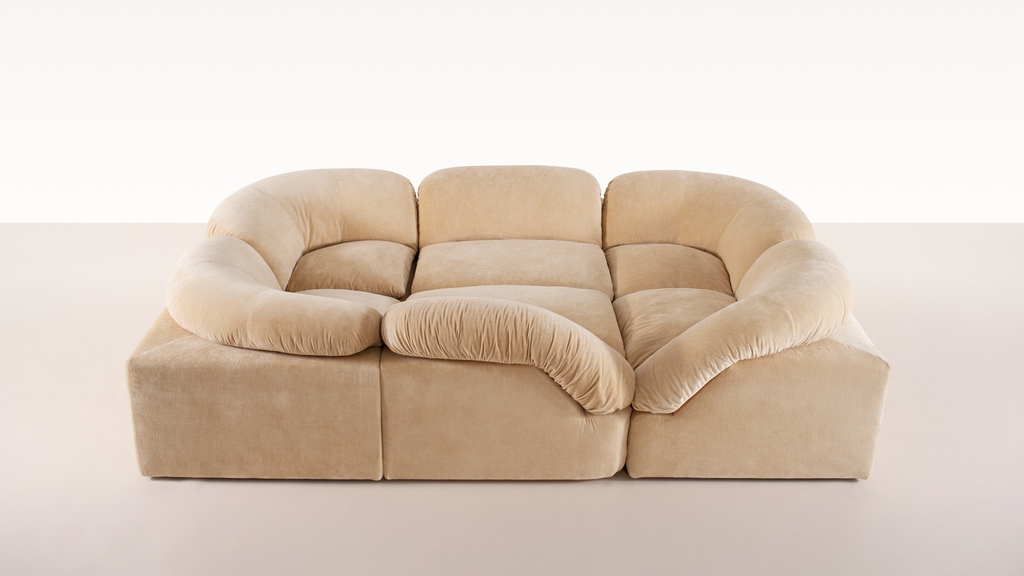
When we interviewed Faye Toogood last year about Squash, her armchair for Poltrona Frau (which went on to land a spot on our Favourite Products of 2024 list), she spoke about the important role that model-making plays in her design practice. “They asked, ‘Where are the CAD drawings?’ but I told them we weren’t going to start with CAD,” she said. “Instead, I went with them to the factory and started to sculpt in a more three-dimensional way.” Her latest triumph continues that tradition — and is born from an especially unconventional model-making material.
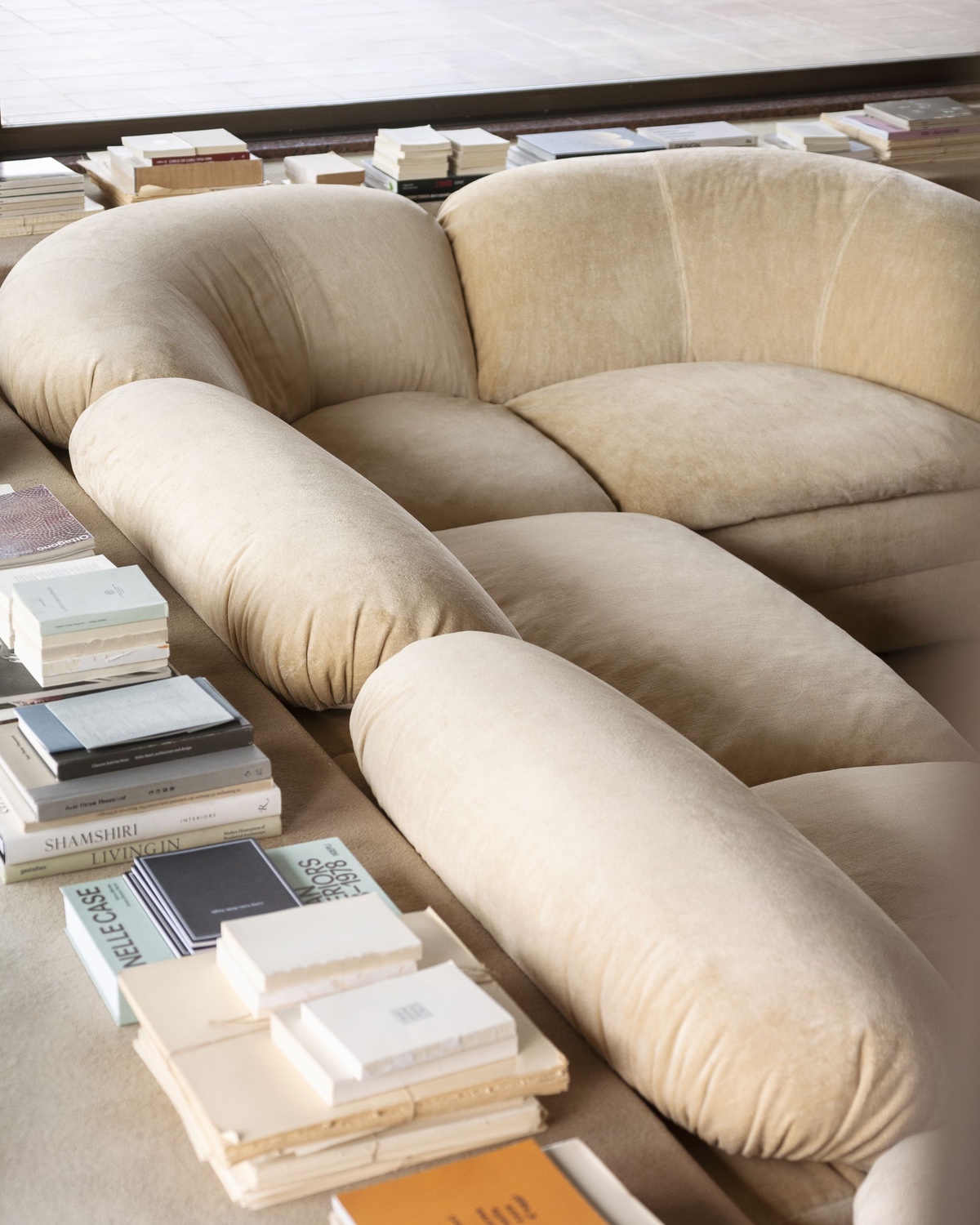
Inspired over breakfast by a lump of Cornish butter, Toogood sculpted a design that moulds blocky forms into something softer. Working with Tacchini, she then translated the idea into a wood-framed sofa system. At an edition of Salone del Mobile that featured no shortage of generous, ultra-cushy conversation pits, Butter was the runaway favourite. It helped that it was presented alongside Bread, a series of console and side tables composed of wooden forms resembling slices of toast. “There is beauty in the small things of everyday life: sometimes you don’t need to go beyond the breakfast table to discover new meaning,” says Toogood.
.
4
Maap light by Erwan Bouroullec for Flos
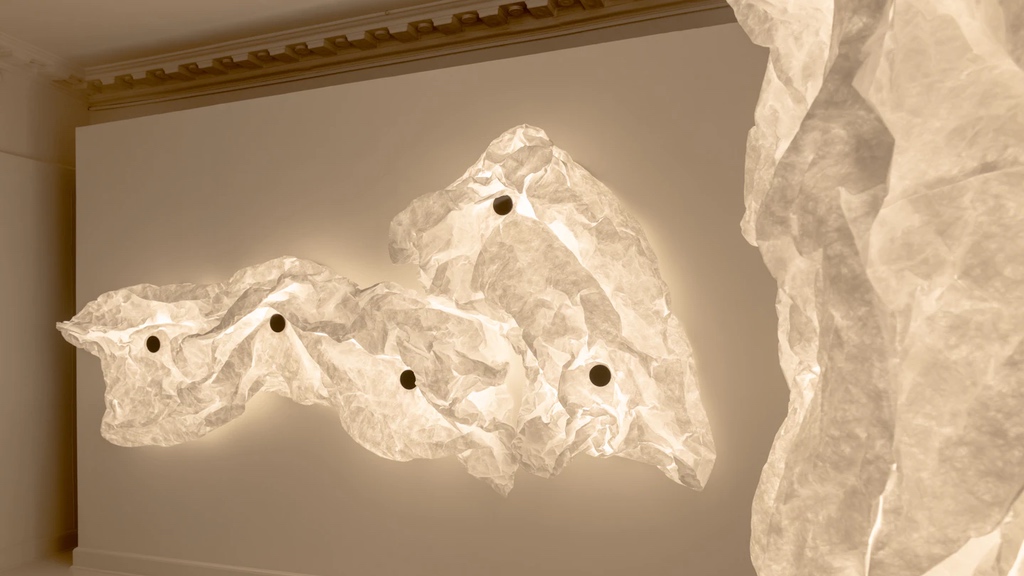
Some Milan Design Week launches can feel overly precious — so how refreshing that, shortly after introducing us to his latest lighting design, Erwan Bouroullec encouraged us to walk over to it and crumple it up like a mindless doodle. Made of Tyvek that resembles a foolscap sheet of paper, Maap is secured into place by a series of pucks that clamp onto magnetic wall-mounted backings. These elements allow for regular reconfigurations of the light’s general massing, which can be stretched out one day and scrunched up the next — almost like a fun toy (or, if you’re a frazzled adult, a giant glowing stress ball).
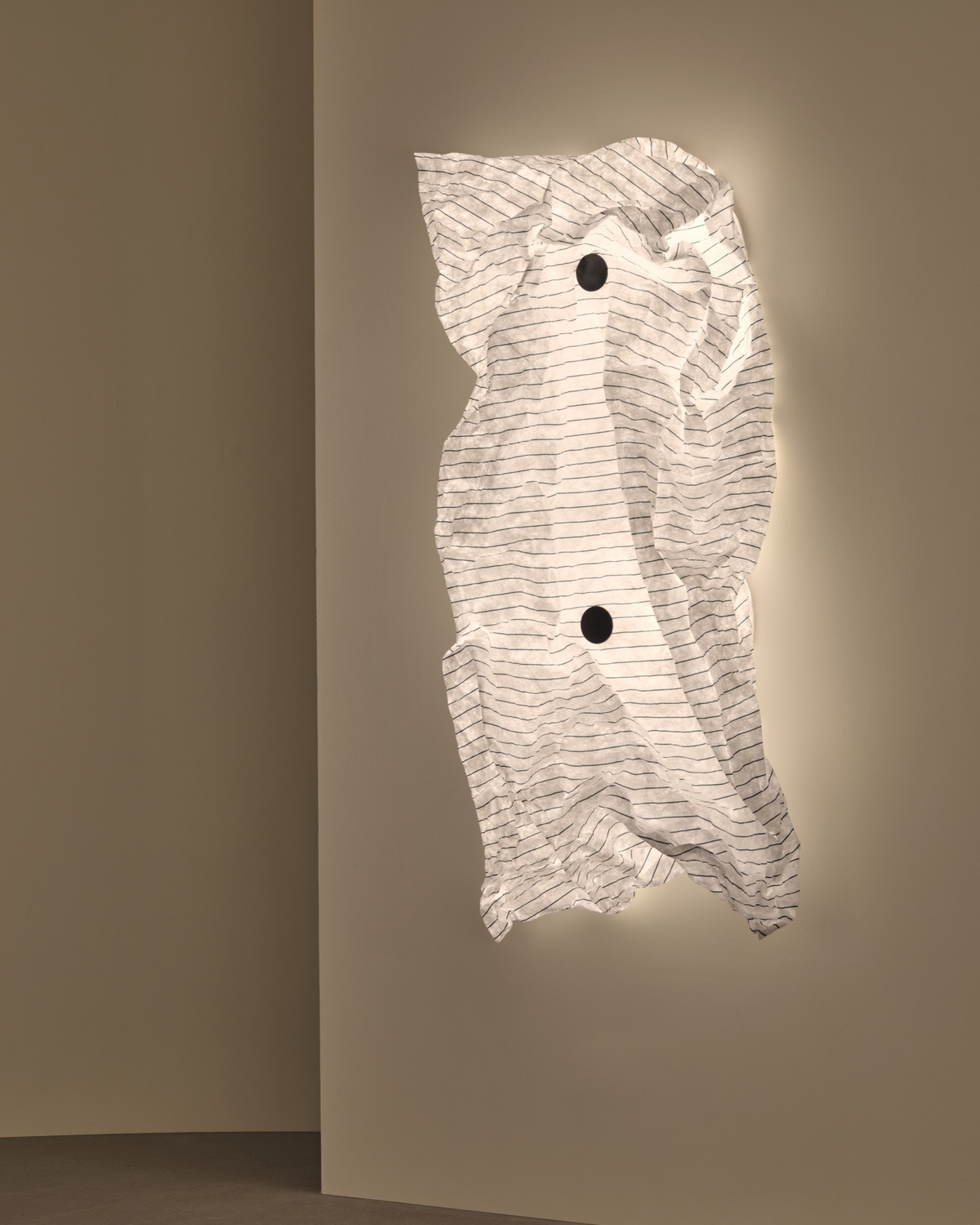
“It’s defying technical drawings and rational explanation — which could be a mess,” Bouroullec told us during our visit to Flos’s Euroluce booth. “But in reality, it’s super easy to engage with. In today’s world, we have less and less opportunities to manipulate things. Kids who live in Paris may not even have the opportunity to dig a hole in the ground anymore, which is one important way of learning about life. So I made this as a way to show people how to engage again.”
.
5
Quilting by Sew Gee’s Bend Heritage Builders, Stephen Burks and Dedar
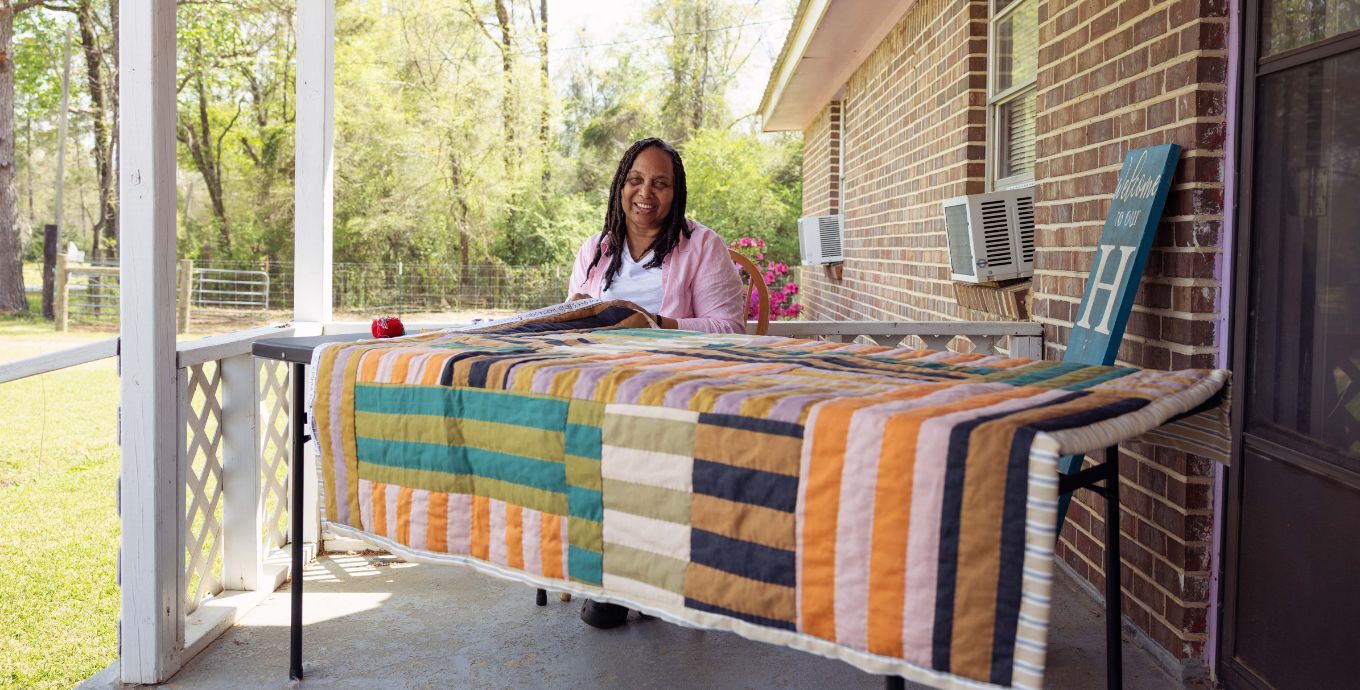
For Stephen Burks, design is fundamentally a product of community and culture. Over the course of his decades-long career, the Chicago-based industrial designer has revitalized the industry through collaboration with artisans and makers around the world, ranging from a street vendor in Cape Town to a group of students at Kentucky’s Berea College. In Boykin, Alabama, Burks recently unveiled one of the most intimate design collaborations to date, working closely with a small African American community known as Sew Gee’s Bend Heritage Builders to preserve — and nourish — a local quilting culture that dates to the 19th century.
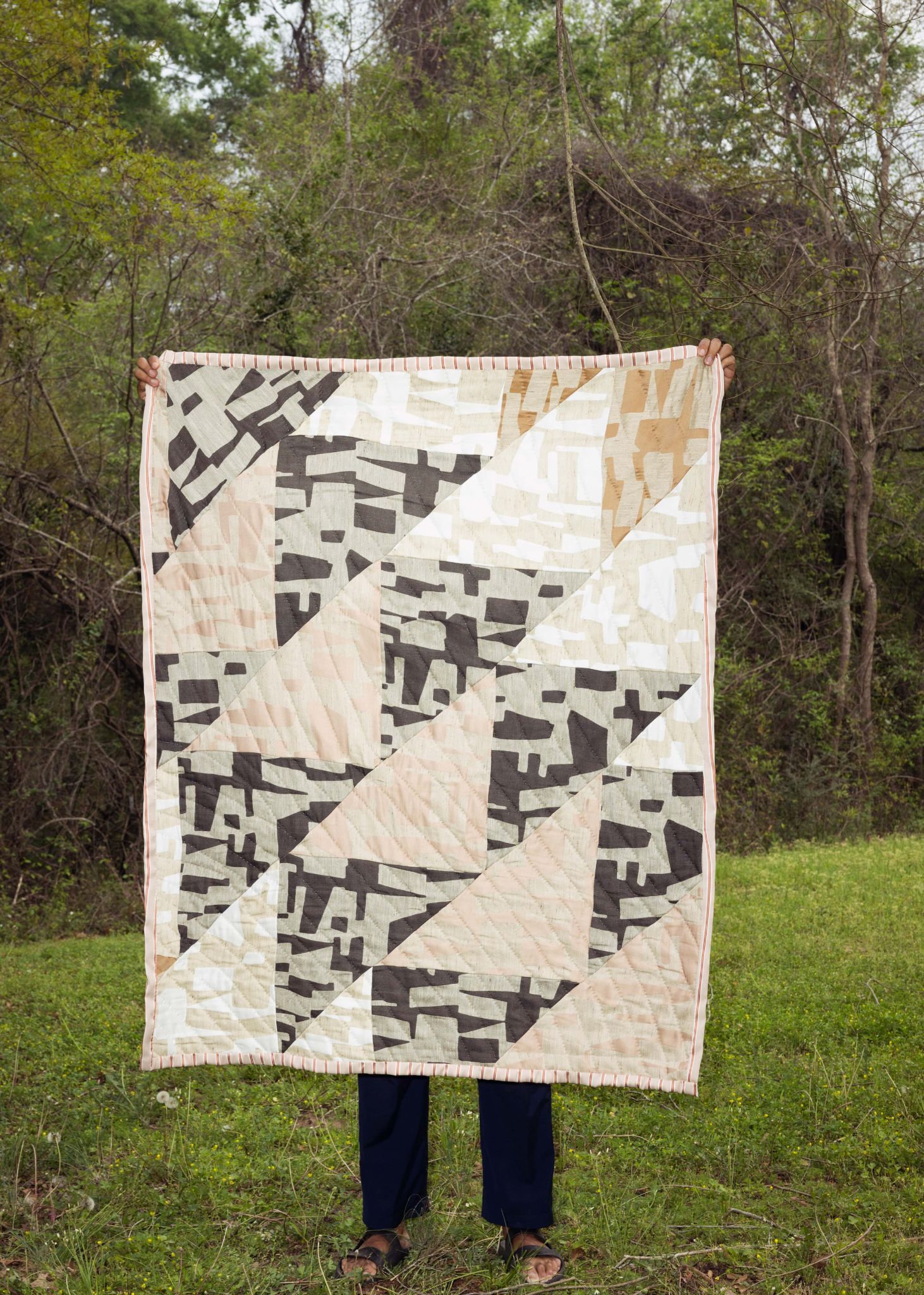
Passed down through generations, the women-led Gee’s Band quilting culture is maintained by the direct descendants of enslaved people who worked a local plantation, later remaining on the land as sharecroppers. A century later, quilts emerged as both an economic lifeline and a political expression during the Civil Rights movement, when proceeds from sales to department stores were used to support jailed or newly unemployed protesters. This year, a collaborative workshop with Burks and Malika Leiper yielded ten new quilts that graced the standout United States pavilion at the Venice Biennale of Architecture.
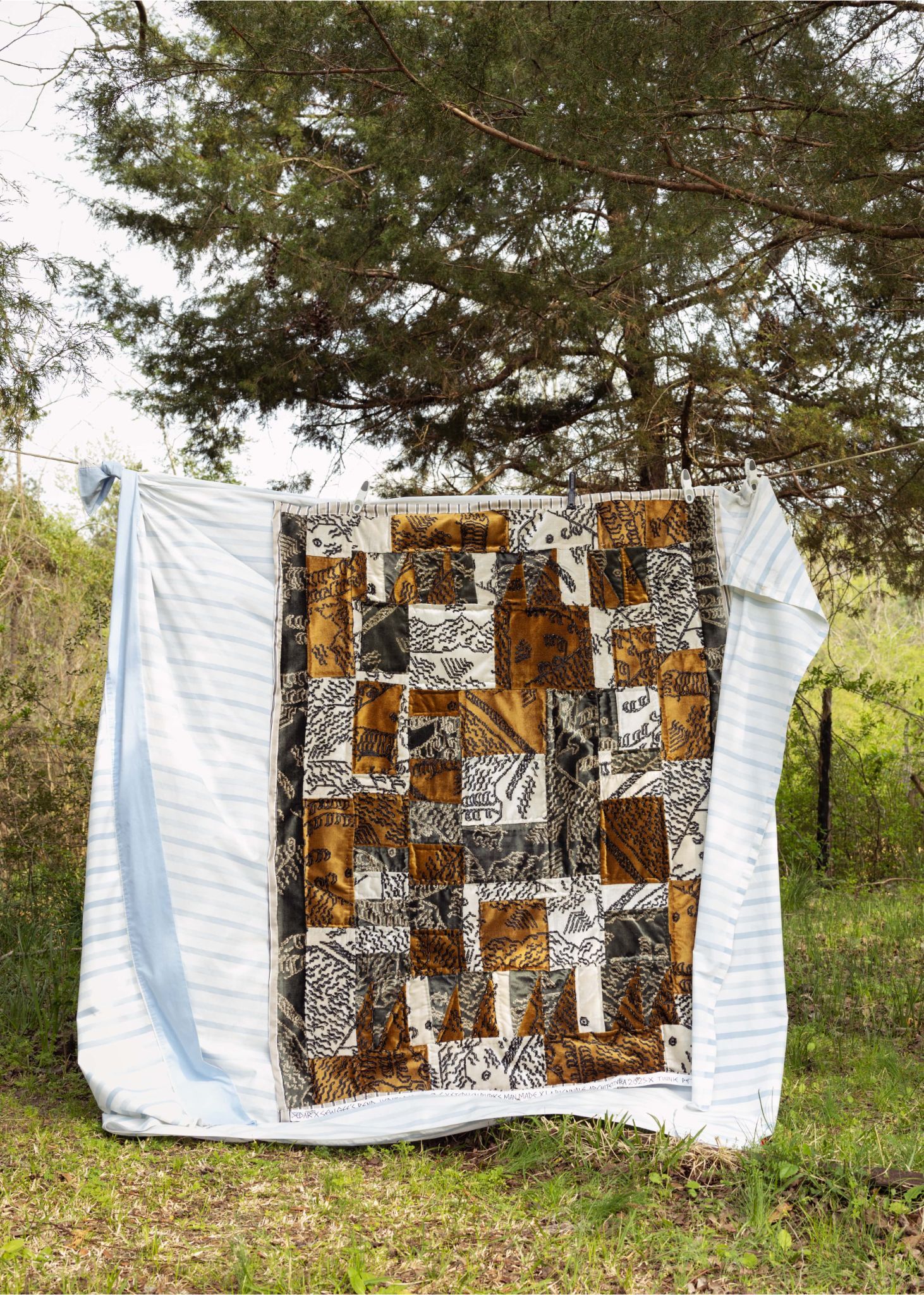
Using fabrics donated by Dedar, Burks, Leiper and the Gee’s Bend quilters explored how memory, heritage and culture can meet contemporary design expressions. The results are nothing short of breathtaking. Harnessing the vivid colours, bold geometries and rigorous yet improvisation character that has long characterized Gee’s Bend quilts, the new quilts re-imagine familiar stories in a new register. It is a complex, beautiful, contradictory, painful and redemptive portrait of America.
.
6
Soleil and Eclipse Outdoor Planters by été
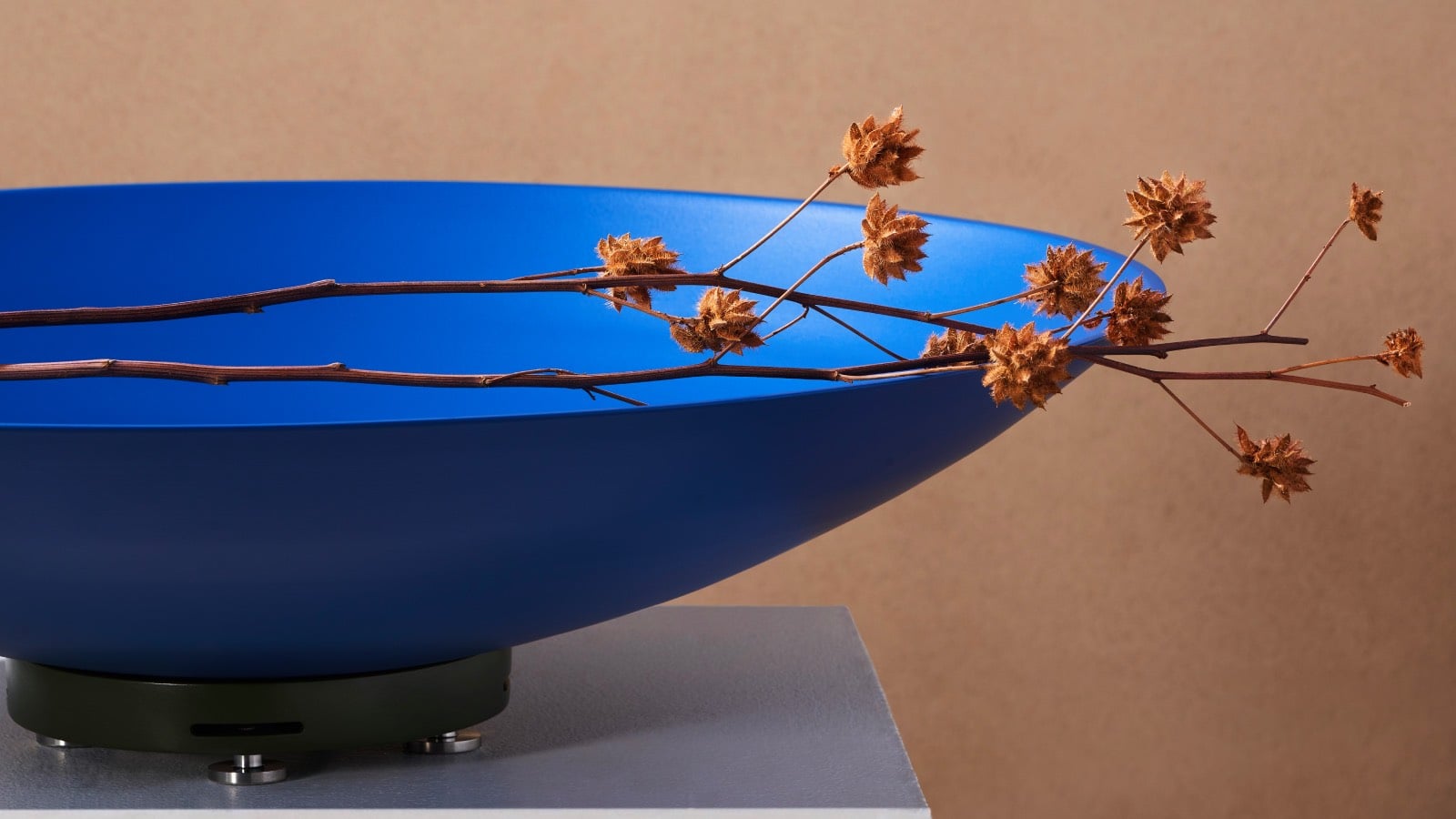
After years of fruitlessly searching for just the right contemporary outdoor planters that matched both her professional needs and the high-end interiors of her clients, Toronto landscape architect Kate Fox-Whyte decided to make her own. And so été was born. Launched earlier this year, the new design brand crafts artisanal planters that express a distinctly sophisticated style while addressing common problems that plague outdoor containers – namely basins that are too shallow for trees and rigid bases that don’t accommodate for the uneven ground they often sit on.
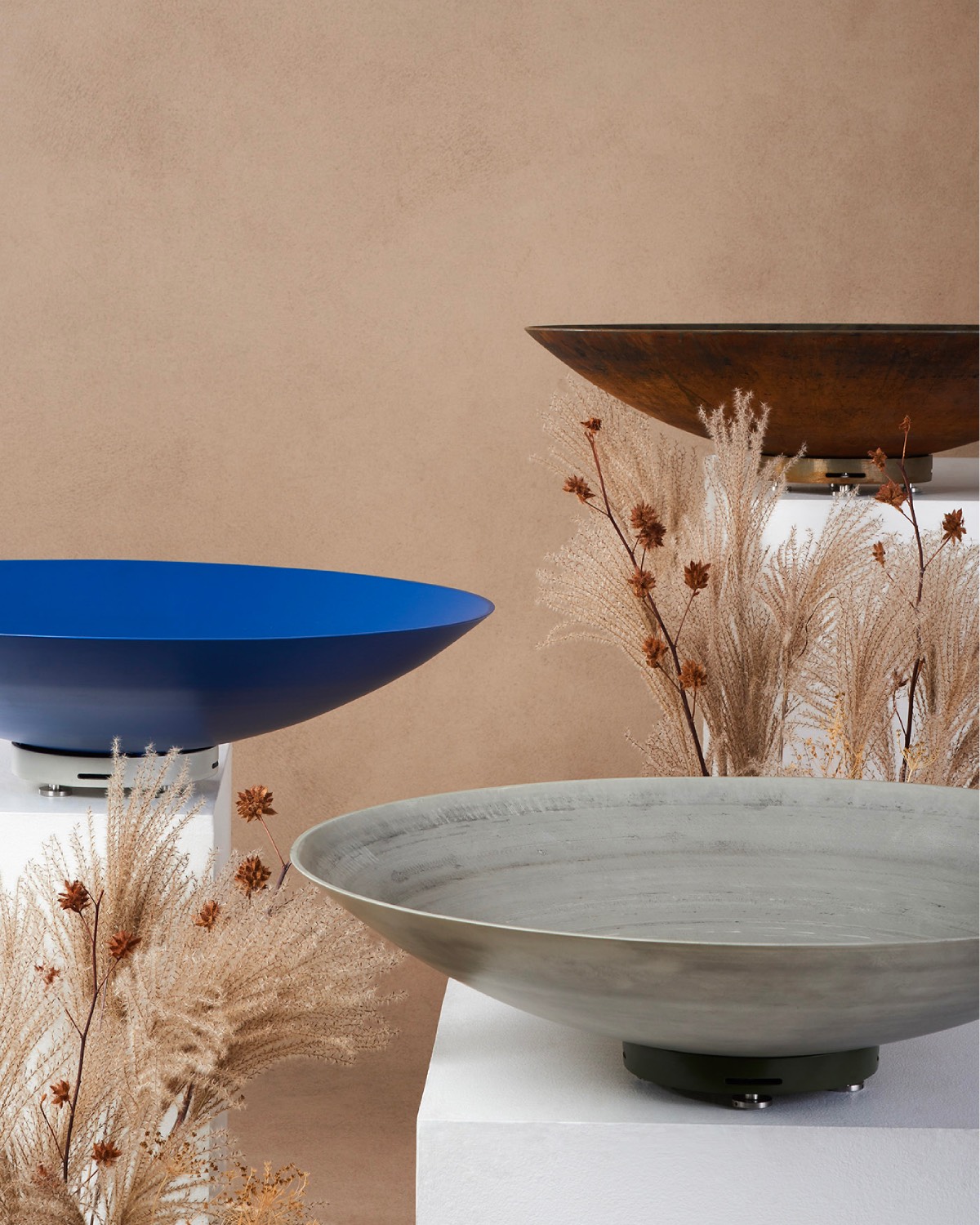
Composed of exquisitely crafted vessels and base trays, the debut vessels Soleil and Eclipse are absolute stunners. But it’s the finer details that really set them apart. While deep enough to handle rooftop trees, the sleek bowls are lightweight and easy to manage, and the trays are equipped with discreet overflow slots that give water that drips from holes in the bowls a place to go; adjustable feet on the trays allow for easily levelling on outdoor surfaces and gasket- sealed conduits manage irrigation lines and lighting wires. What’s more, each of the mix-and- match components are offered in Corten steel, Muntz bronze, Satin aluminum or steel in 21 powder-coated bold, muted or neutral colours, meaning the planters can be perfectly tailored to complement or contrast their surroundings. Expertly executed down to the last detail, the été planters are proof that necessity is indeed the mother of invention.
.
7
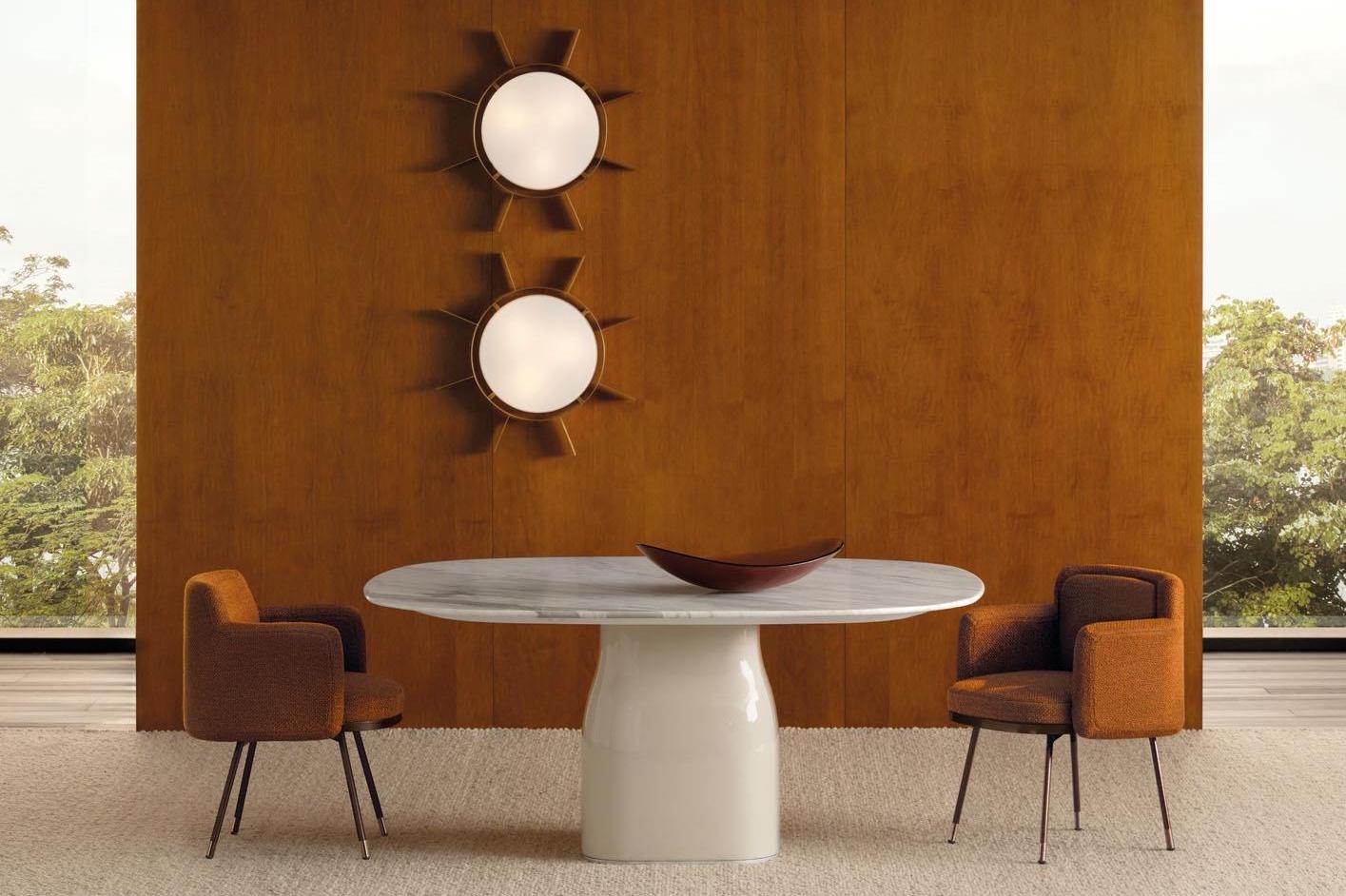
Saki Table by Nendo for Minotti
Cupping a warm bottle of sake in your hands is one of life’s simple pleasures. Nendo has translated this tactile delight into a visual one with his Saki table for Minotti, which supersizes the proportions of the rounded vessel as two base supports. These contours, recalling those of the Saki dining seats of the same collection, are balanced and complemented by a top that is square or rectangular, with a curved edge that resolves the pairing. The top comes in numerous material choices, from MDF to travertine and marble; and the base is in resin-coated thermoplastic and rests on polished chrome metal plates. Nendo may be one of the most prolific designers working today, with an output that seems to reach breakneck speed, but Saki feels like a moment of repose and grace – one of the best tables we saw at Salone del Mobile 2025.
.
8
Fresh Catch by Lauren Goodman
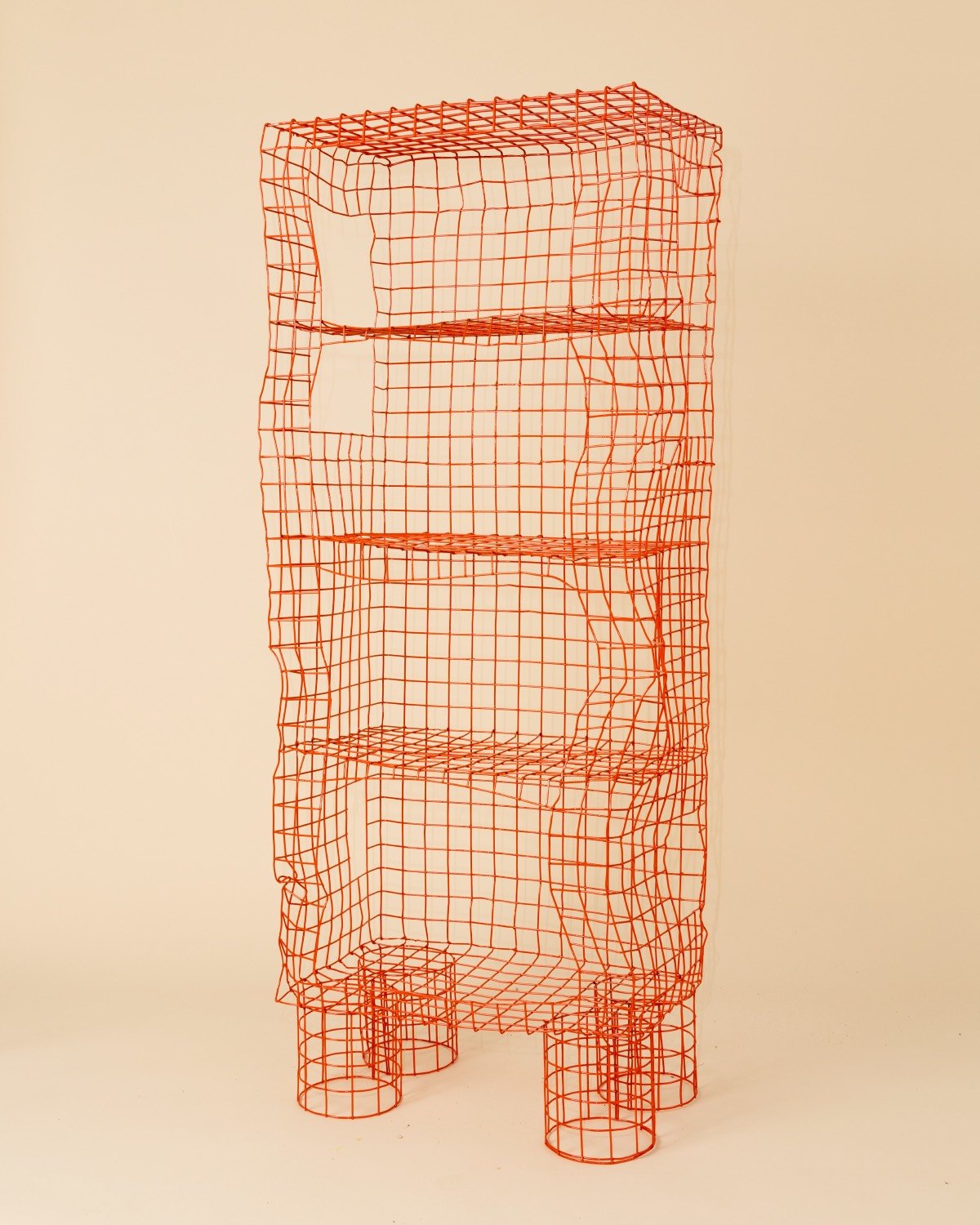
Ghost gear – abandoned or discarded fishing equipment including ropes, floats, lines and traps – is one of the biggest contributors to ocean waste, polluting coastal waters and endangering marine life. In Maine alone, approximately 200,000 lobster traps are lost every year, a staggering amount that wreaks havoc through unmanned fishing (capturing lobsters, fish, turtles and other marine animals that eventually die from starvation or scavenging), habitat destruction and economic loss. For Montreal-based designer Lauren Goodman, this devastation sparked opportunity – to recycle and reframe this waste as a raw material for furniture.
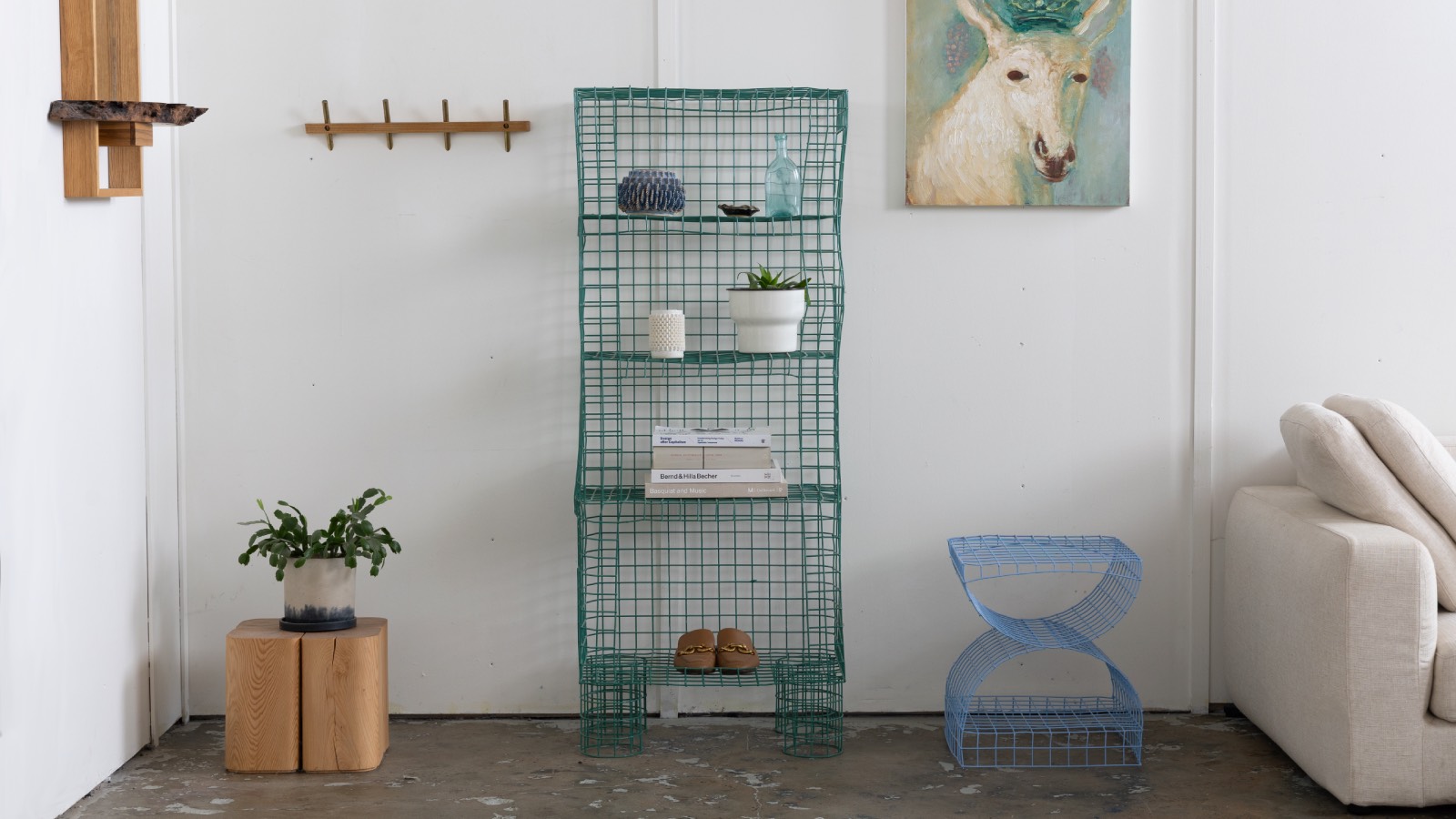
With her ongoing Fresh Catch series, Goodman is transforming lobster traps she personally salvages from tidal coves off the coast of Maine (an area her family has been visiting since her childhood) into sculptural and one-of-a-kind furniture pieces. After being collected, the steel traps are first sandblasted clean and then deconstructed before being organically reassembled and welded together into recognizable shelving, tables, mirrors and chairs, while maintaining as much of the material’s natural movements as possible. Powder-coated in vibrant shades of blue, green and red, the quirky pieces have a quiet elegance that earned the series both an Award of Merit and People’s Choice in this year’s AZ Awards. The continuously evolving Fresh Catch family not only speaks to the positive impact of salvaging and upcycling but it also effectively challenges concepts of consumer consumption and our almost cavalier attitude around disposability by introducing a new possibility for waste.
.
9
Cygnet Lighting by Michael Anastassiades
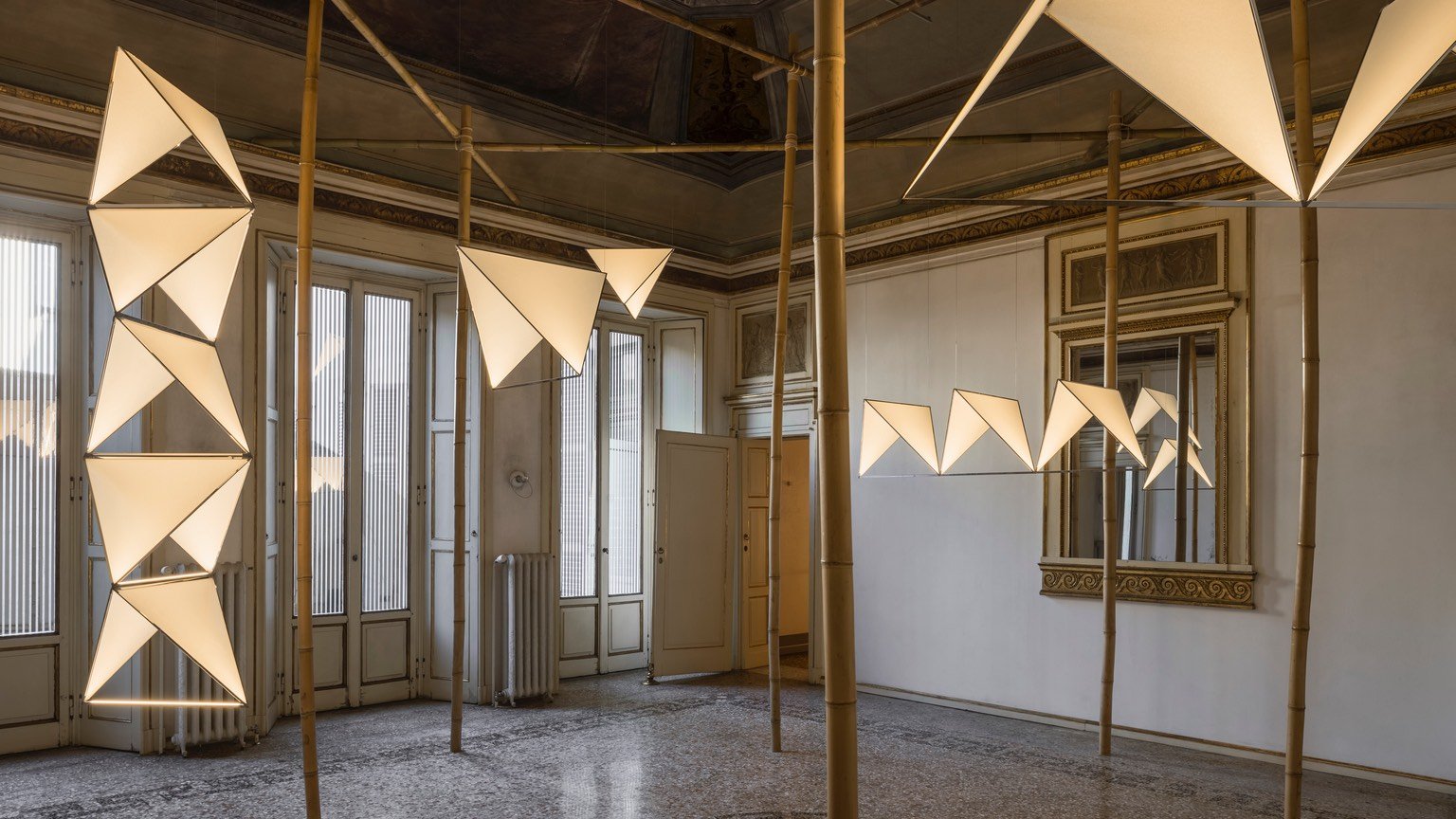
As a child, Michael Anastassiades loved flying kites, which he carefully folded by hand. As a designer, the passion eventually translated into a whimsical yet rigorously proportioned lighting collection of Japanese washi paper pulled across aluminum frames and illuminated by an invisible LED. And while the Cygnet collection — unveiled at Fuorisalone — traces the lineage of Isamu Noguchi’s lanterns, Constantin Brâncusi’s sculptures and Bruno Munari’s, the tactile, carefree and slightly nostalgic quality of a child at play lends the sophisticated fixtures a deeper resonance.
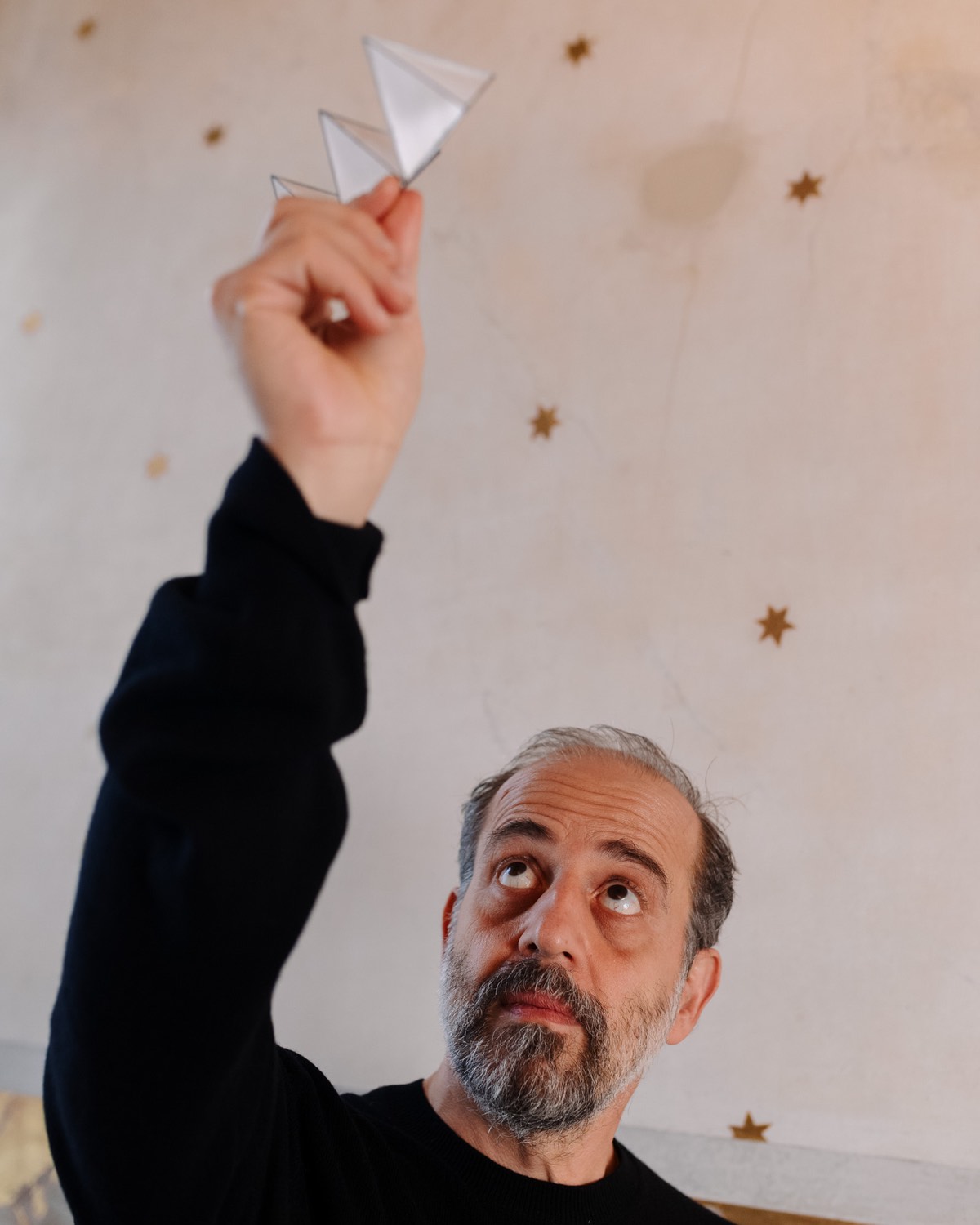
“It’s indirect illumination, so it’s quite magical — they just glow and you don’t understand where the light source is coming from,” Anastassiades explained, highlighting the mystical quality hidden within geometric precision and Japanese simplicity. In a design landscape awash in Noguchi-lite imitations, the intuitive emotional resonance and exceptionally crisp proportions of Anastassiades’s design stand apart.
.

10
Trace of Water by Honoka for Aqua Clara
The Japanese bottled water company Aqua Clara teamed up with Japan-based design lab Honoka to create Trace of Water. The installation during Milan Design Week in April was a wonderful surprise. As part of MoscaPartners’ group show Variations at Palazzo Litto, it was one of the last rooms deep inside the labyrinthine exhibition that you encountered. And it was worth the journey, along the snaking crowds of visitors. As we noted back in April, the show “demonstrated the aesthetic potential of recycled plastic. A luminous curved wall and a series of homewares made of the crushed, crystalline remnants of water jugs left many buzzing about just how beautiful — and luxurious — the material can be.”
Top 10 of 2025: Our Favourite Products
Mystical lanterns, Pritzker-level seating, unforgettable quilts and furniture made from abandoned fishing equipment are all among our 2025 favourites.