
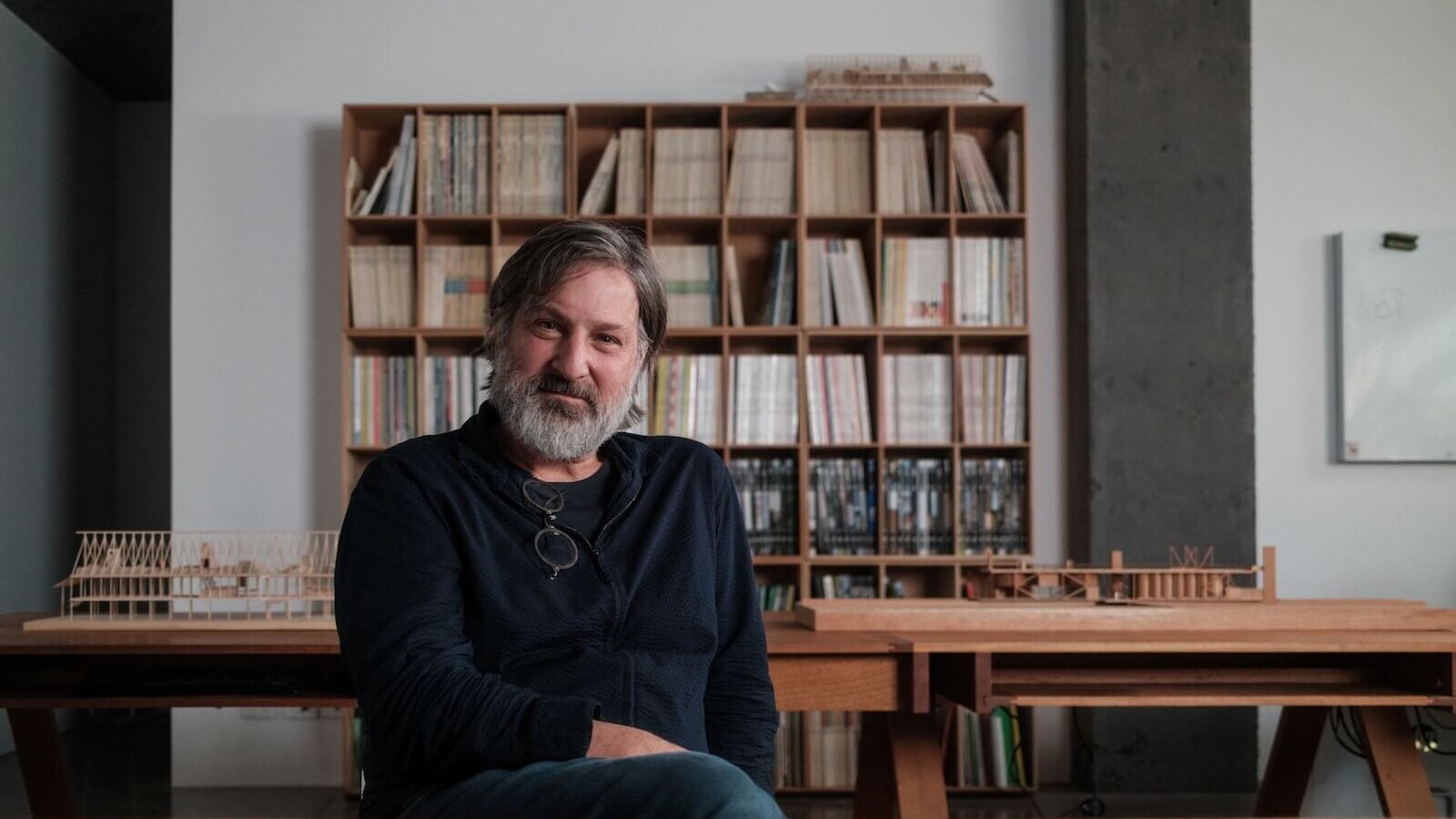
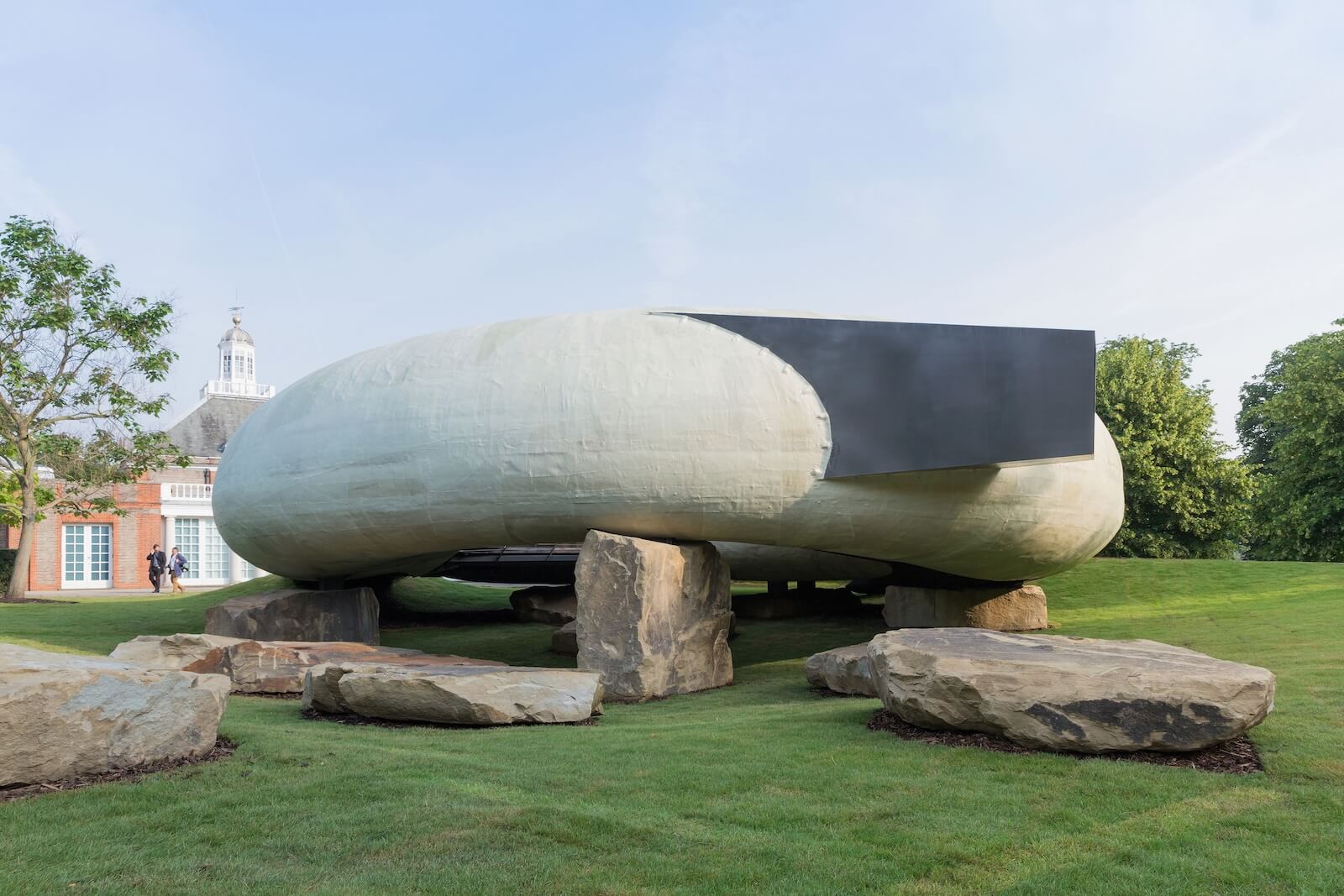
The work of Chilean architect Smiljan Radić Clarke defies categorization. His buildings range from the adventurously experimental – like the Carbonero House, an earthen sphere encasing a timber and metal frame volume – to the rigorously institutional, including his lantern-like Teatro Regional del Biobío, the largest regional theatre in Chile. Most compelling of all, perhaps, is the architect’s buildings that position boulders as singular expressions – the entrance to the Vik Millahue Winery is strewn with stones, while the Restaurant Mestizo is supported on them, its beams resting on giant upright rocks. His Serpentine Pavilion from 2017 took the wonderful shape of a fibreglass egg on stones – resulting in a gathering place that felt at once primordial and completely new. His awe-inspiring work, overall, makes a compelling argument for architecture as art, ever evolving and always radical.
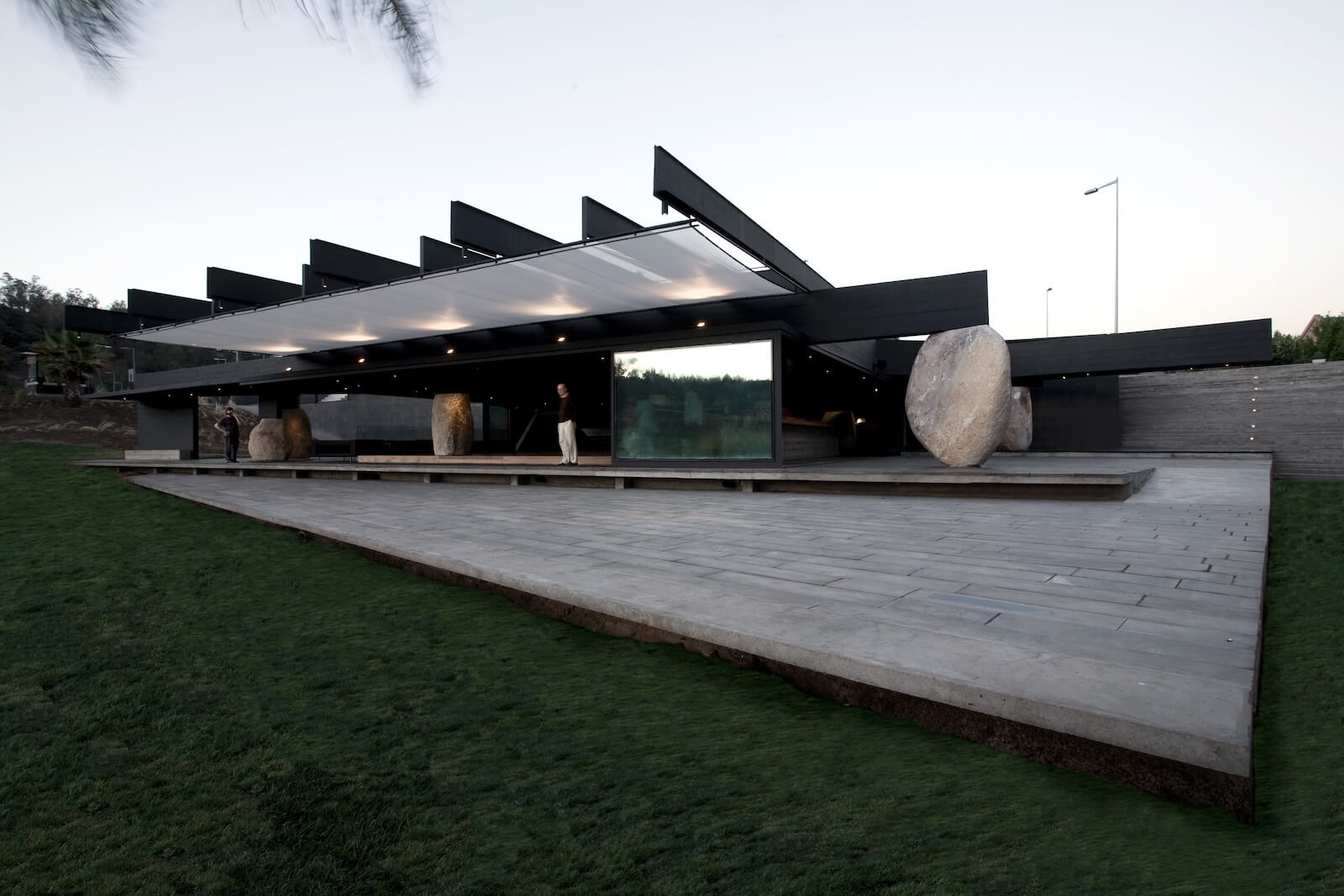
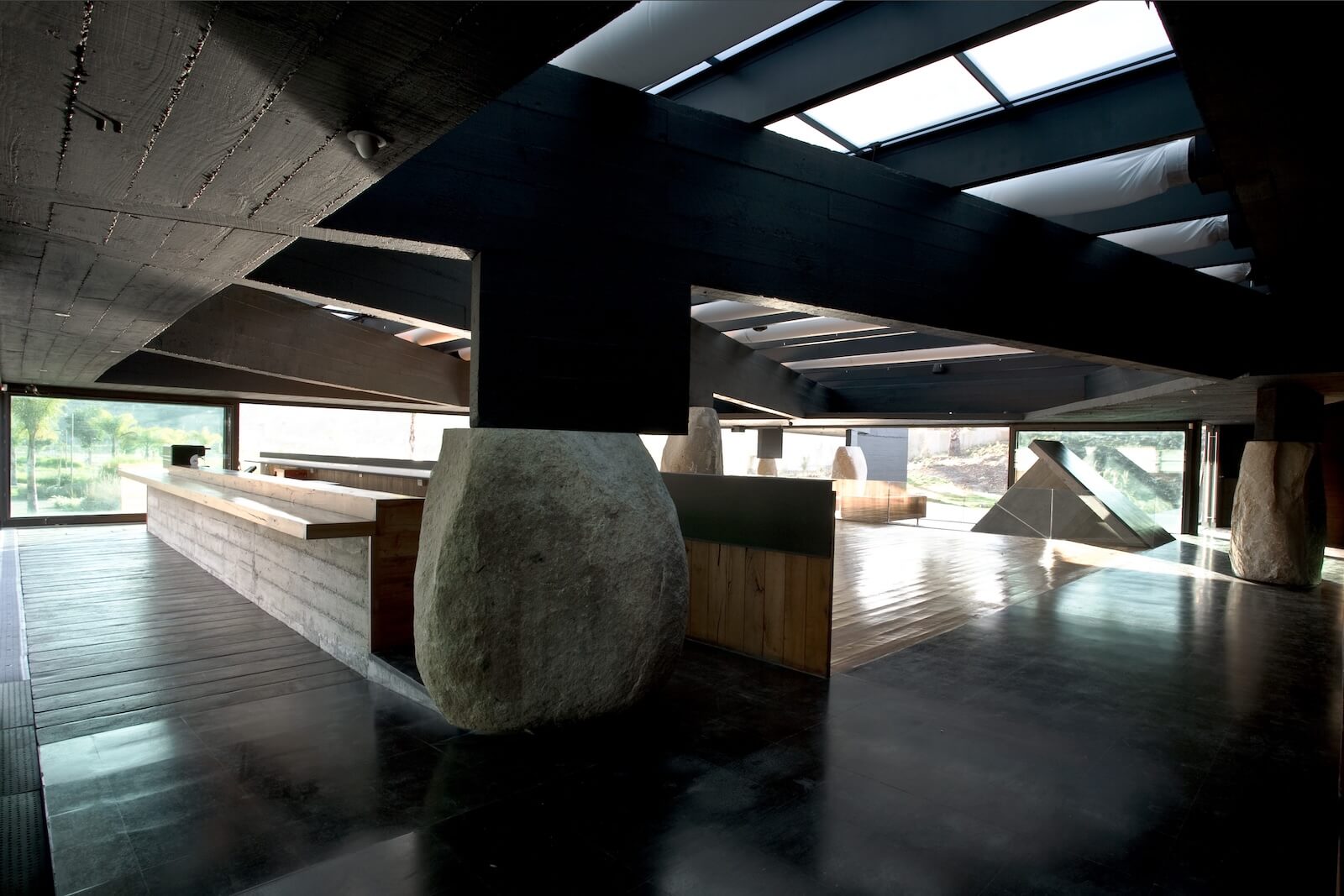
For these reasons and more Radić Clarke has won the 2026 Pritzker Architecture Prize. He is one of the honour’s most idiosyncratic recipients. The jury, chaired by Alejandro Aravena (a fellow Chilean) and featuring Deborah Berke, Anne Lacaton, Hashim Sarkis and Kazuo Sejima – who commissioned Radić to create a welcome installation at the 12th International Architecture Exhibition in 2010 – applauds Radić’s architecture for how it embraces people, first by capturing their imagination, then by rewarding them with a deeper experience.
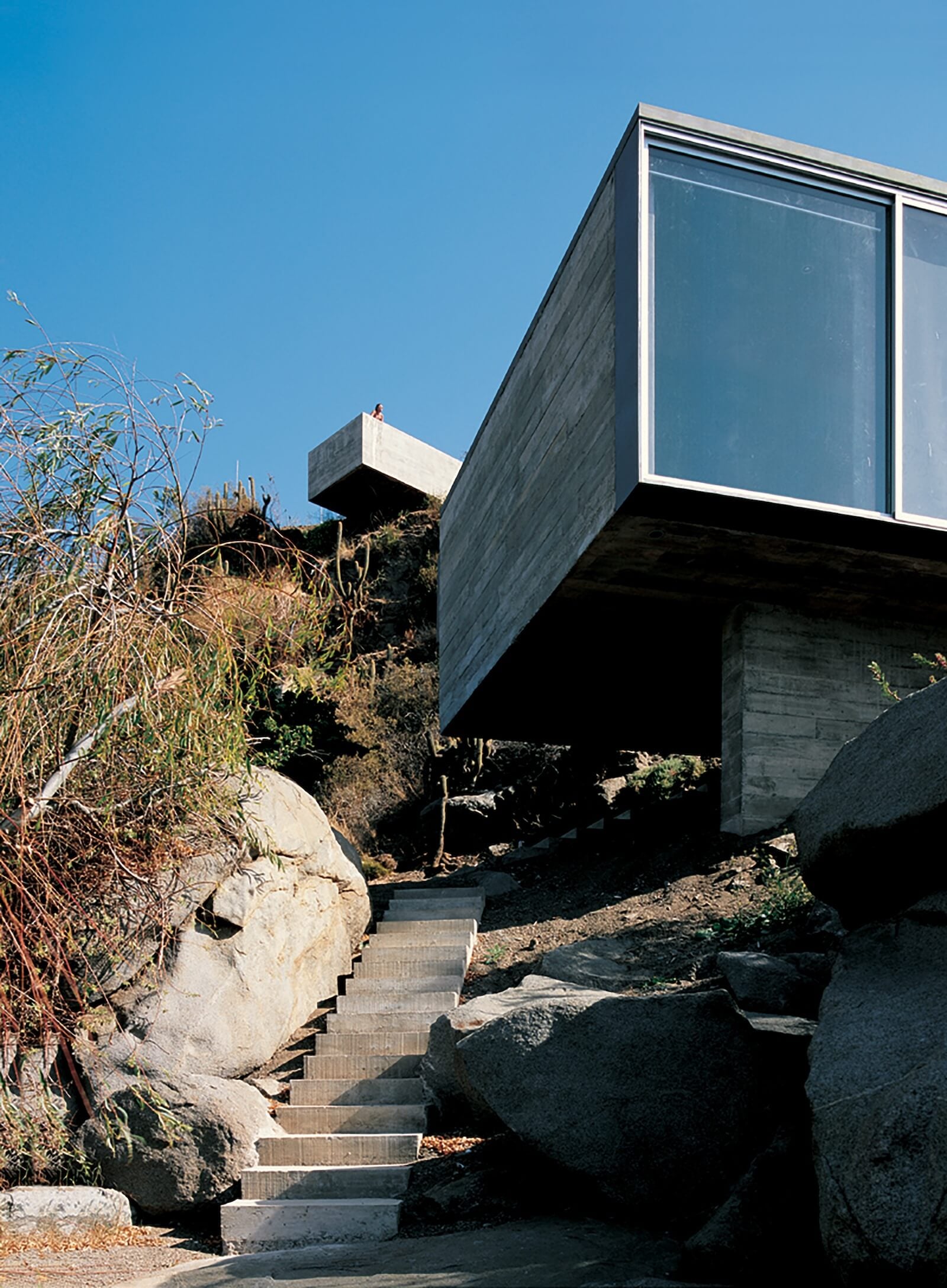
“A first fundamental paradox of Smiljan Radić’s architecture is in that it establishes a personal, almost introspective point of entry, without culminating in withdrawal,” they say. “On the contrary, what begins as an individual encounter expands into a broader, collective resonance. This is, perhaps, the nature of true art: it addresses each of us as singular beings, one to one, and yet propels us towards a shared origin — an atavistic place beyond race, gender, or culture.”
Born in Santiago to an immigrant family — his father’s parents from Brač, Croatia, and his mother hails from the UK – Smiljan Radić Clarke established his firm in 1995 in Santiago. He had studied architecture at Pontificia Universidad Católica de Chile and, before finally graduating after failing his first exams, did a sojourn at the Istituto di Architettura di Venezia – a trip he credits as essential to his education. Another major influence on his work is the sculptor Marcela Correa, who became his wife after starting out as his collaborator; together they designed Casa Chica and built it by hand. This intimate, hand-crafted sensibility comes through in his projects big and small. In 2017, Radić founded the Fundación de Arquitectura Frágil out of his own home studio to support “experimental architecture that challenges disciplinary boundaries.”
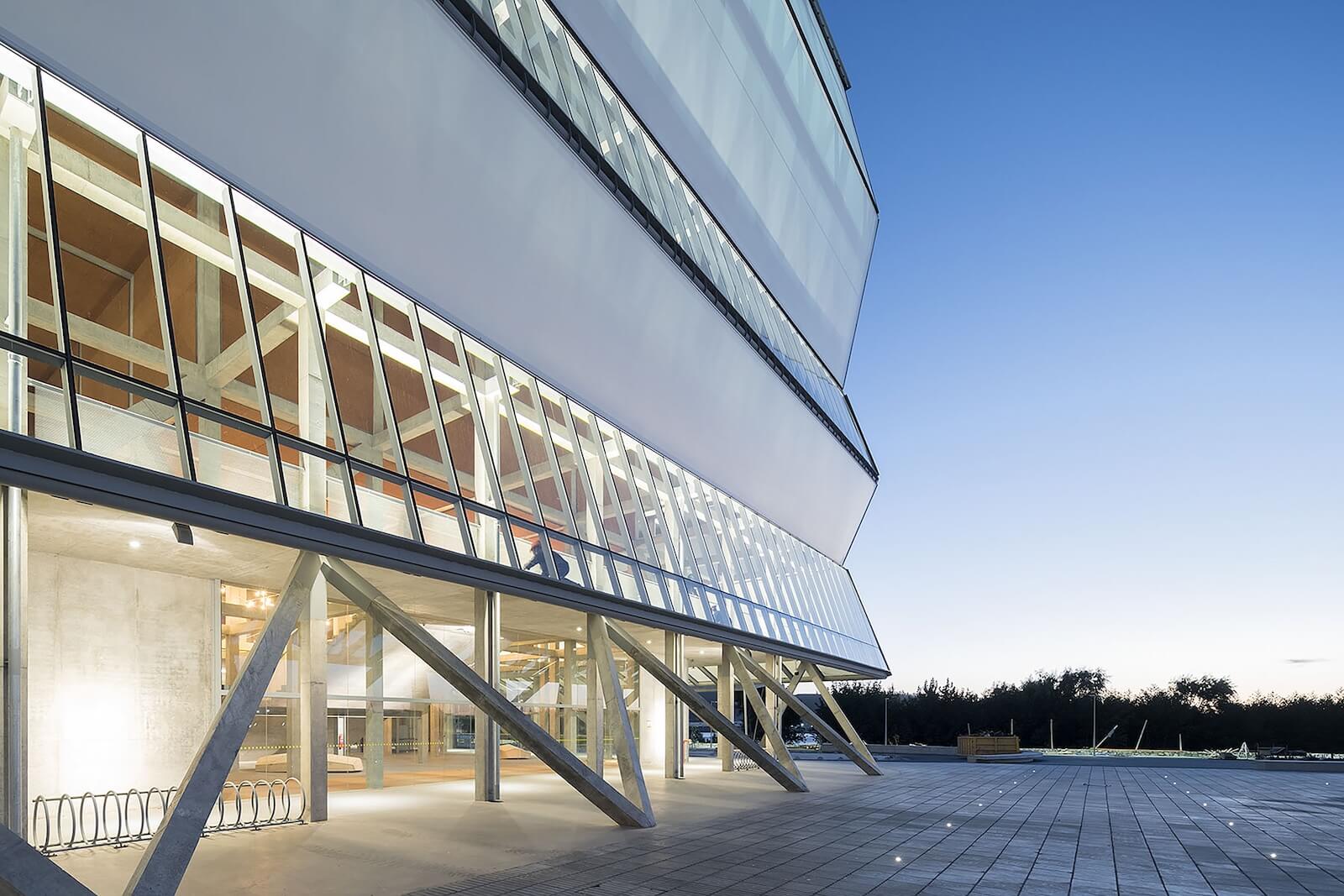
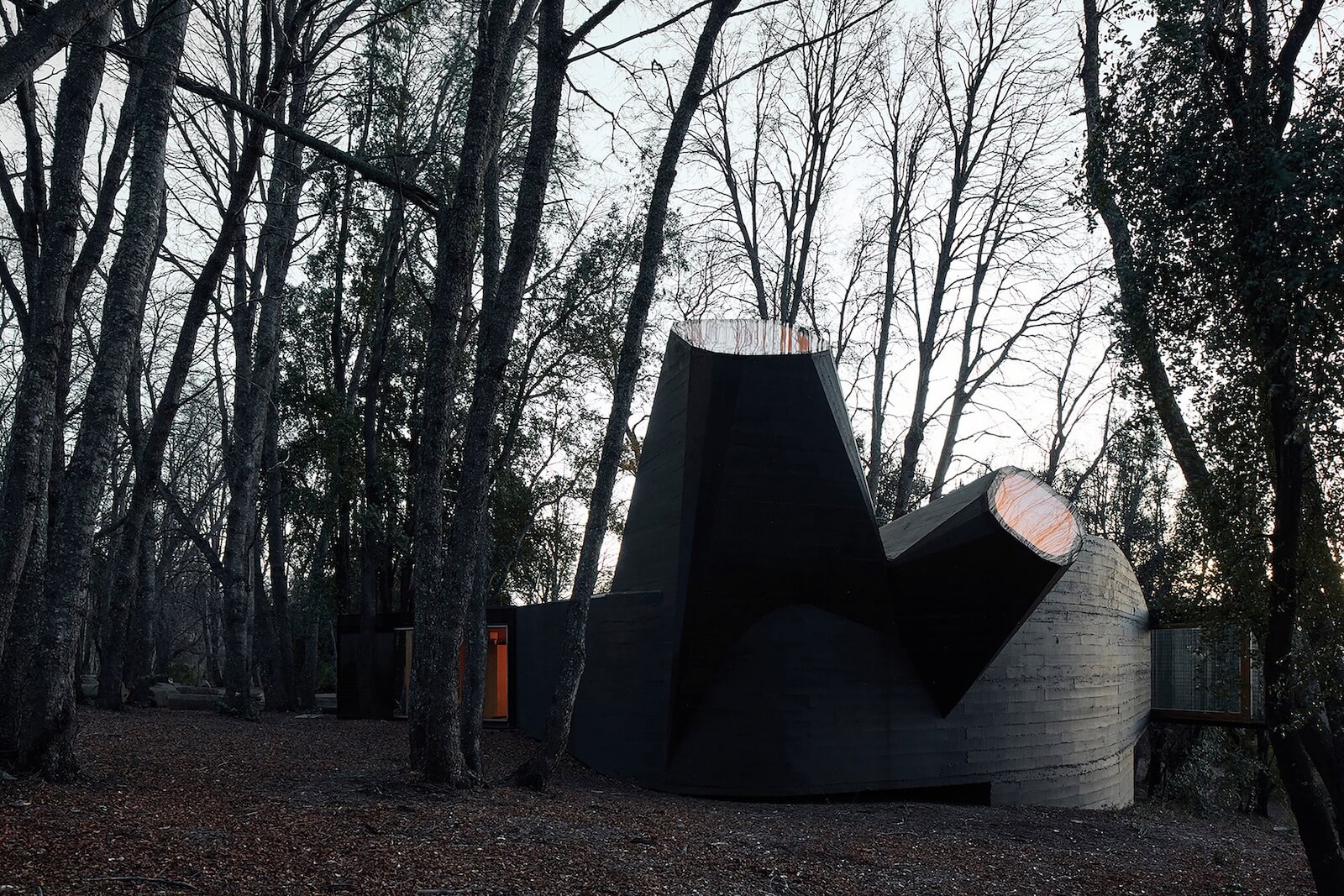
In every building, Radić conveys a respect for the site itself, for its nature and history. This care is characterized by the ways in which his structures seem to float on their supports. “Radić presents architecture as a guest rather than a master of the site,” the jury notes. “His buildings may appear temporary, unstable, or deliberately unfinished — almost on the point of disappearance — yet they provide a structured, optimistic and quietly joyful shelter, embracing vulnerability as an intrinsic condition of lived experience. They are not firmly anchored to the ground; rather, they are delicately placed upon it, often hovering slightly above the surface and only occasionally making contact.”


This appreciation for a more vulnerable architecture might be attributable to Radić’s own experience as part of an immigrant family: “Sometimes, you have to produce your own roots. That gives you freedom,” the architect says. In fact, his name evokes radice, the Latin for “at the root.” A radical architecture is one that reimagines possibilities from the bottom up. That his firm has remained small might explain how Radić has nurtured this nonconformist spirit, this “frequent rejection of the conventional Cartesian coordinate axes” as the jury notes. The scale at which he has realized his purely original visions is similarly testament to how a small, radical firm can also create buildings at the scale of the civic and institutional.
Let the jury have the last word: “For reminding us that architecture is an art, in that it touches the very core of the human condition; for allowing the discipline to embrace imperfection and fragility, offering quiet shelters in a world shaped by uncertainty, without the need to be louder or more spectacular in order to matter; for creating buildings whose hybrid nature reflects the contemporary blurring of disciplinary boundaries, and which do not speak on behalf of people but instead allow people to find their own voice through them, Smiljan Radić Clarke is named the 2026 Pritzker Prize Laureate.”
Radical Chilean Architect Smiljan Radić Clarke Wins the Pritzker
The Pritzker Prize jury commends Radić Clarke “for reminding us that architecture is an art, in that it touches the very core of the human condition.”