

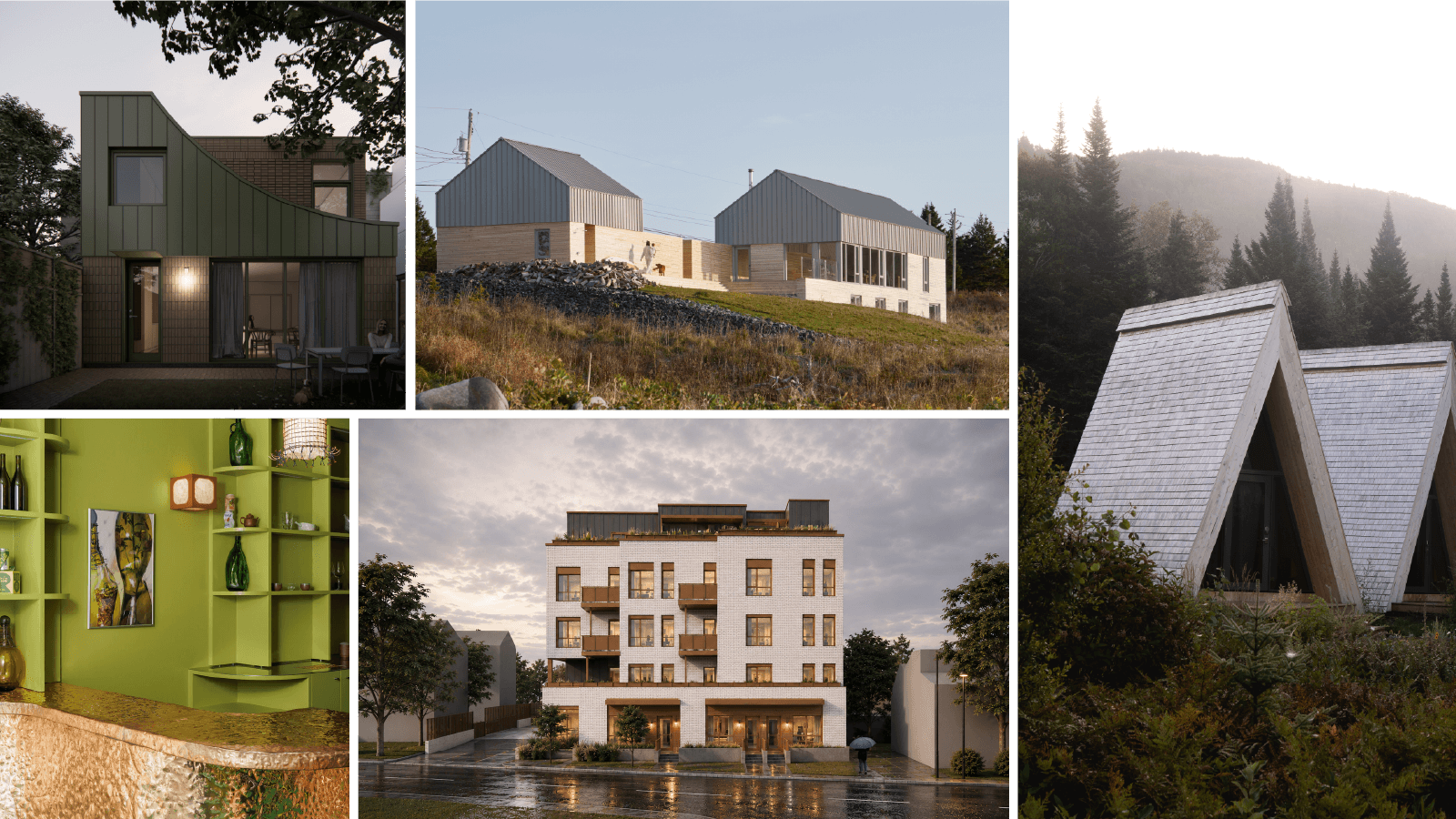
There’s nothing more exciting than watching a young studio come into its own. But taking the leap to launch a practice is no easy feat. Even for those who seem to find fast success, the early days are filled with no shortage of nerves and frustration, but hopefully occasional moments of pride and glory, too. We reached out to five emerging Canadian design firms we admire — based in Halifax, Vancouver, and places in between, and at various stages of infancy — to find out what’s on the minds of the latest generation of breakout design practices. Touching on topics ranging from work–life balance to the way A.I. is reshaping the industry to the changing nature of design competitions, their responses offer thoughtful commentary on where the field is now — and where it needs to go next.
1
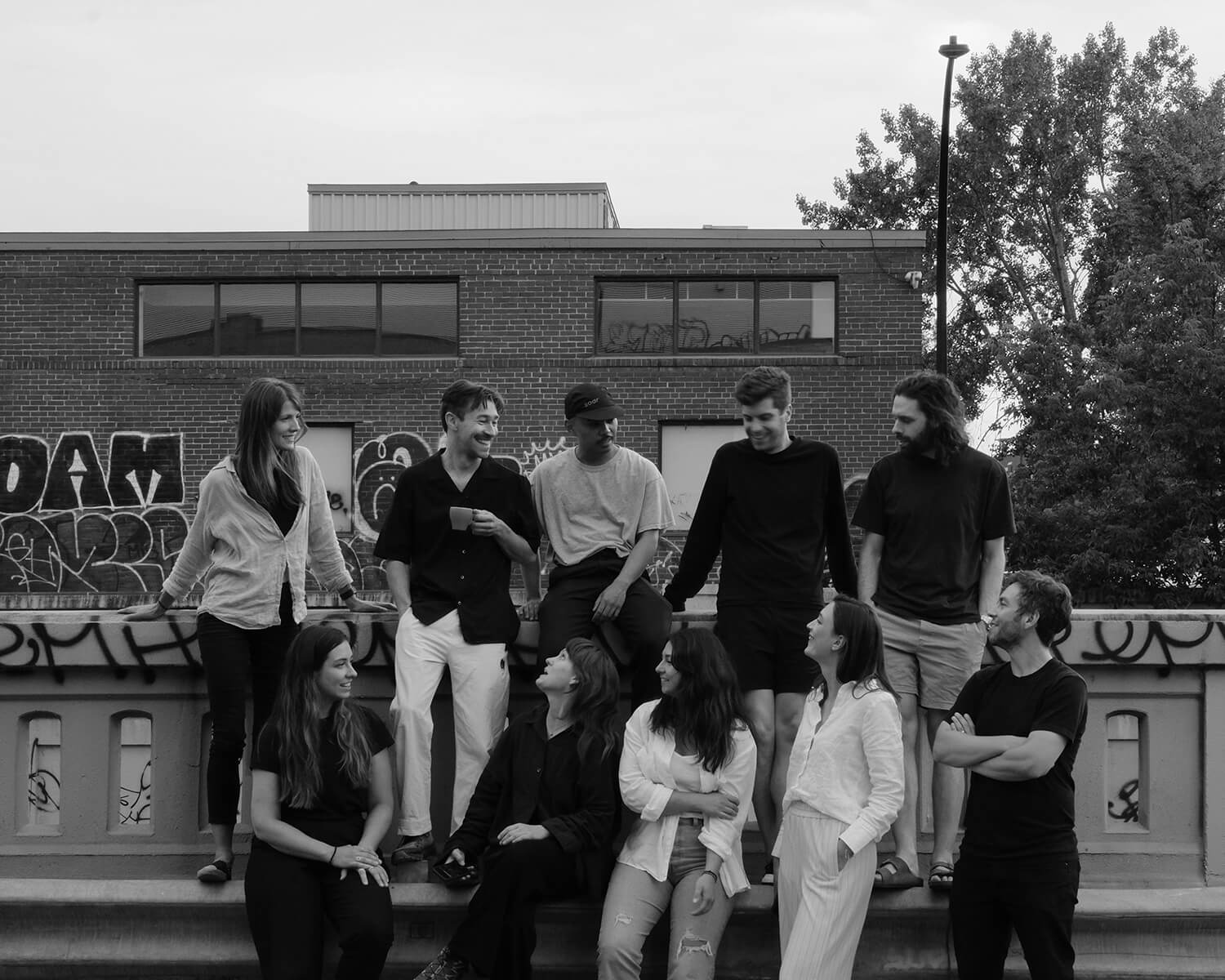
Based In: Montreal
Founded: 2013
Employees: 10
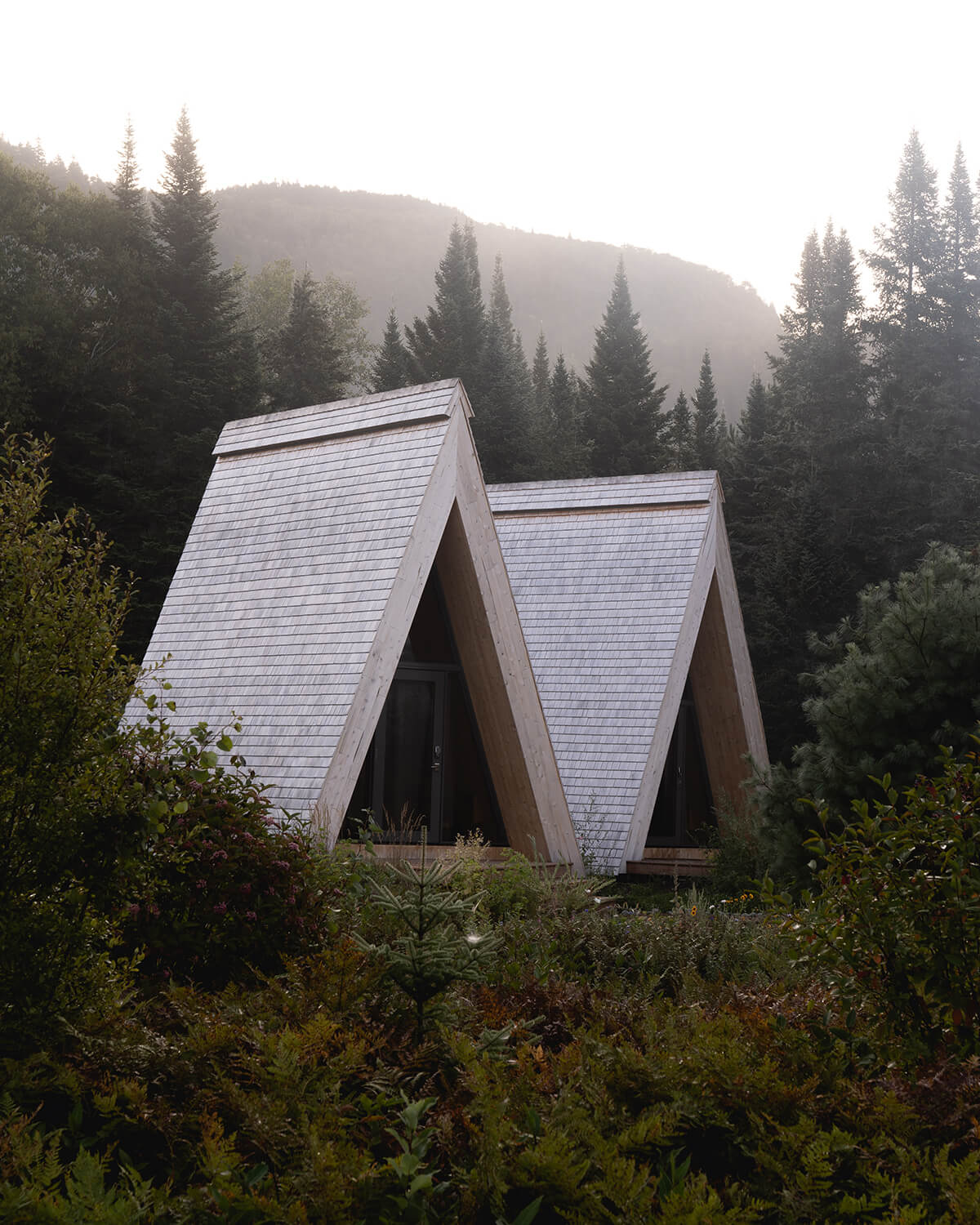
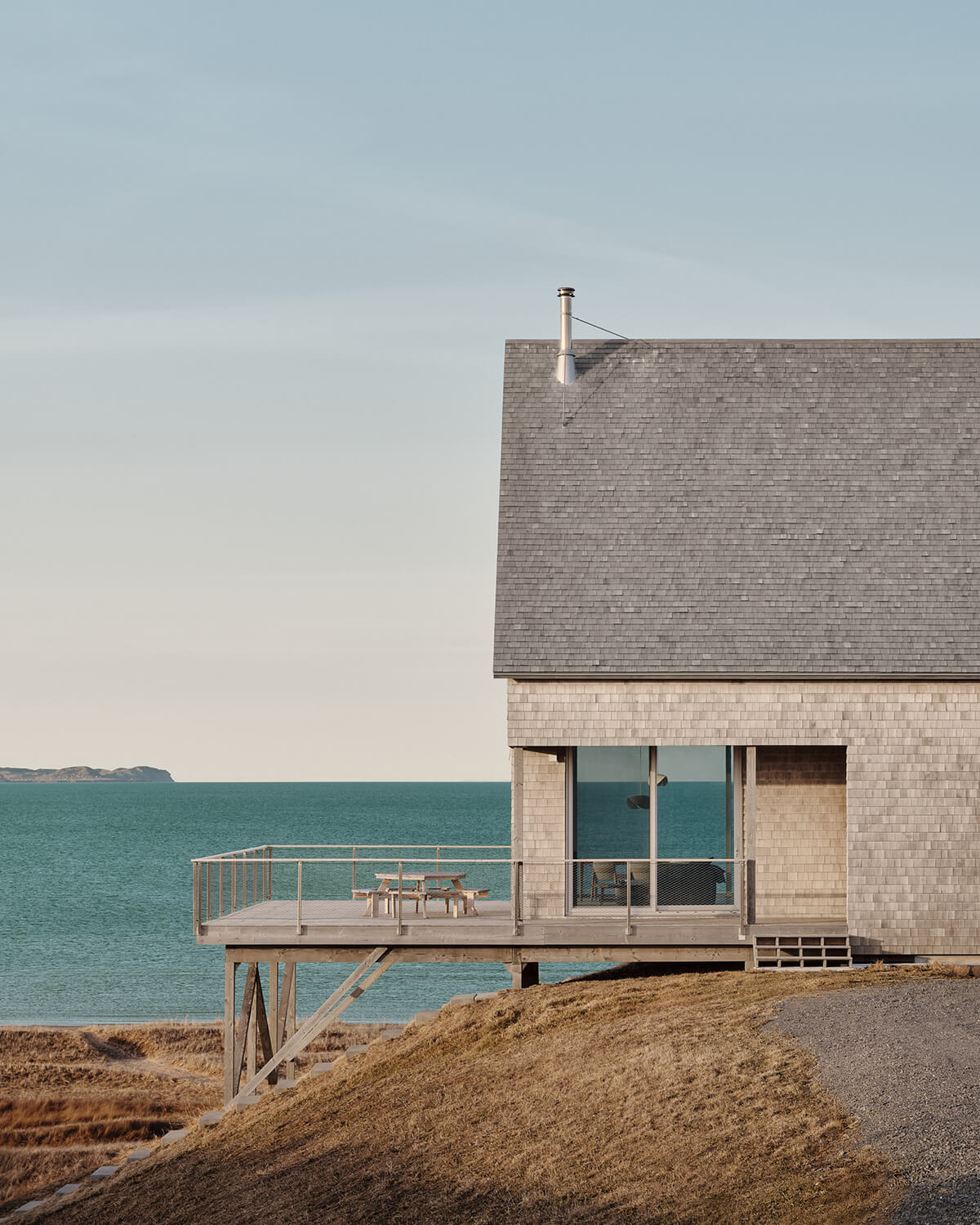
Projects: Micro-cabins in Quebec’s Laurentian Mountains; Montreal’s FOIL Gallery; a house inspired by the vernacular architecture of the Magdalen Islands.
What’s the main goal that drives your work?
Nicolas Lapierre, architect and founding partner: Our goal is simple: to design and build responsible architecture that responds thoughtfully to its context,
serves its users well, and stands the test of time.
What’s your proudest accomplishment to date?
Recognitions such as the OAQ Emerging Architecture Prize and international awards have been deeply meaningful, but what we’re most proud of is growing as a practice without losing sight of the values that brought us to architecture in the first place. We began with small-scale sustainable residential projects, and
today we have the opportunity to work on projects of greater scale and broader social impact, from Indigenous community projects to social and transitional housing and large public spaces.
What should be the industry’s biggest priority over the next five years?
We need to change how we define value in the built environment. We need to move beyond building more and building faster, and instead focus on building
better — preserving what already exists whenever possible, building only what is truly needed, and creating architecture with the quality, adaptability and longevity to become tomorrow’s built heritage.
2
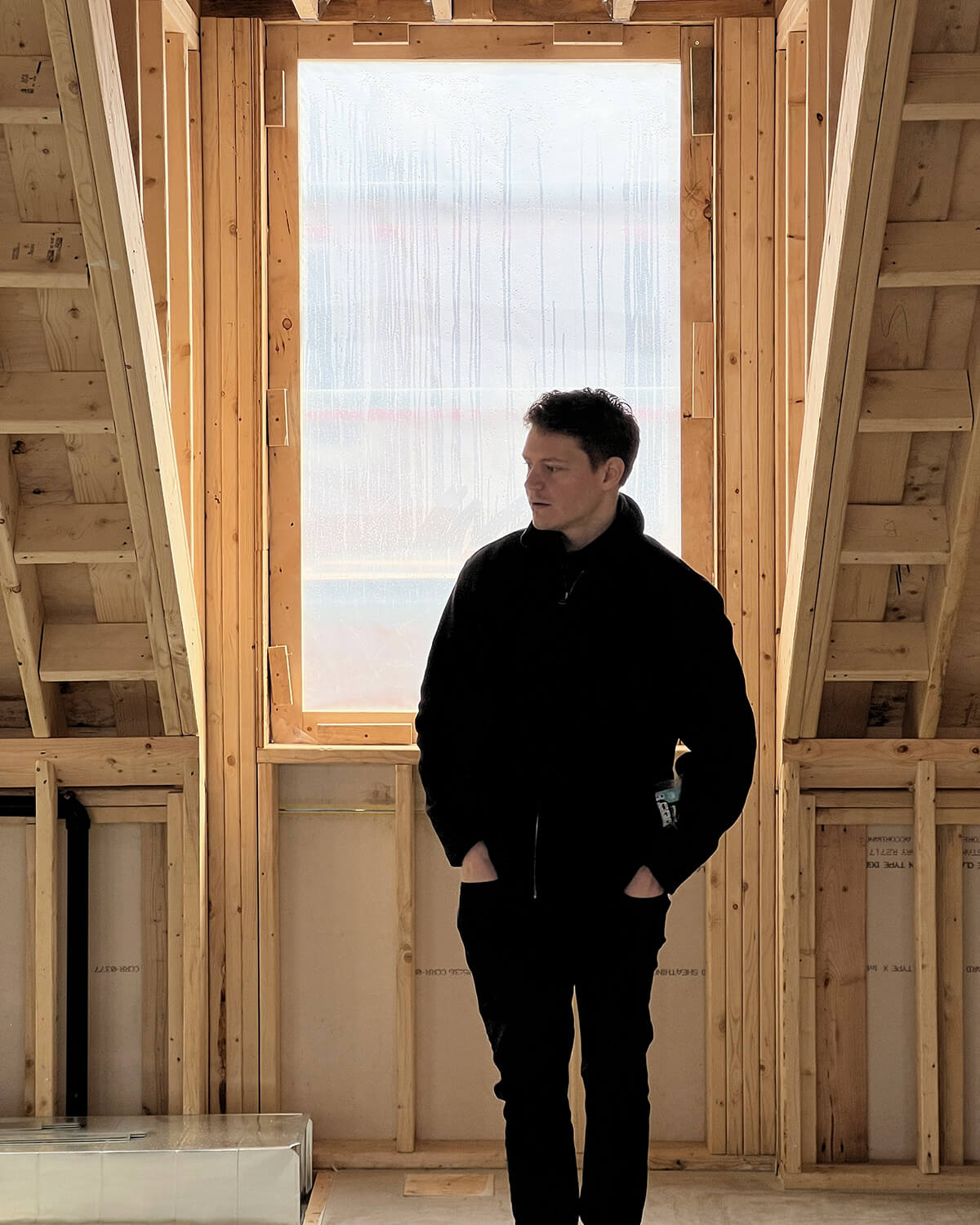
Based In: Toronto
Founded: 2025
Employees: 3 (2 part-time)
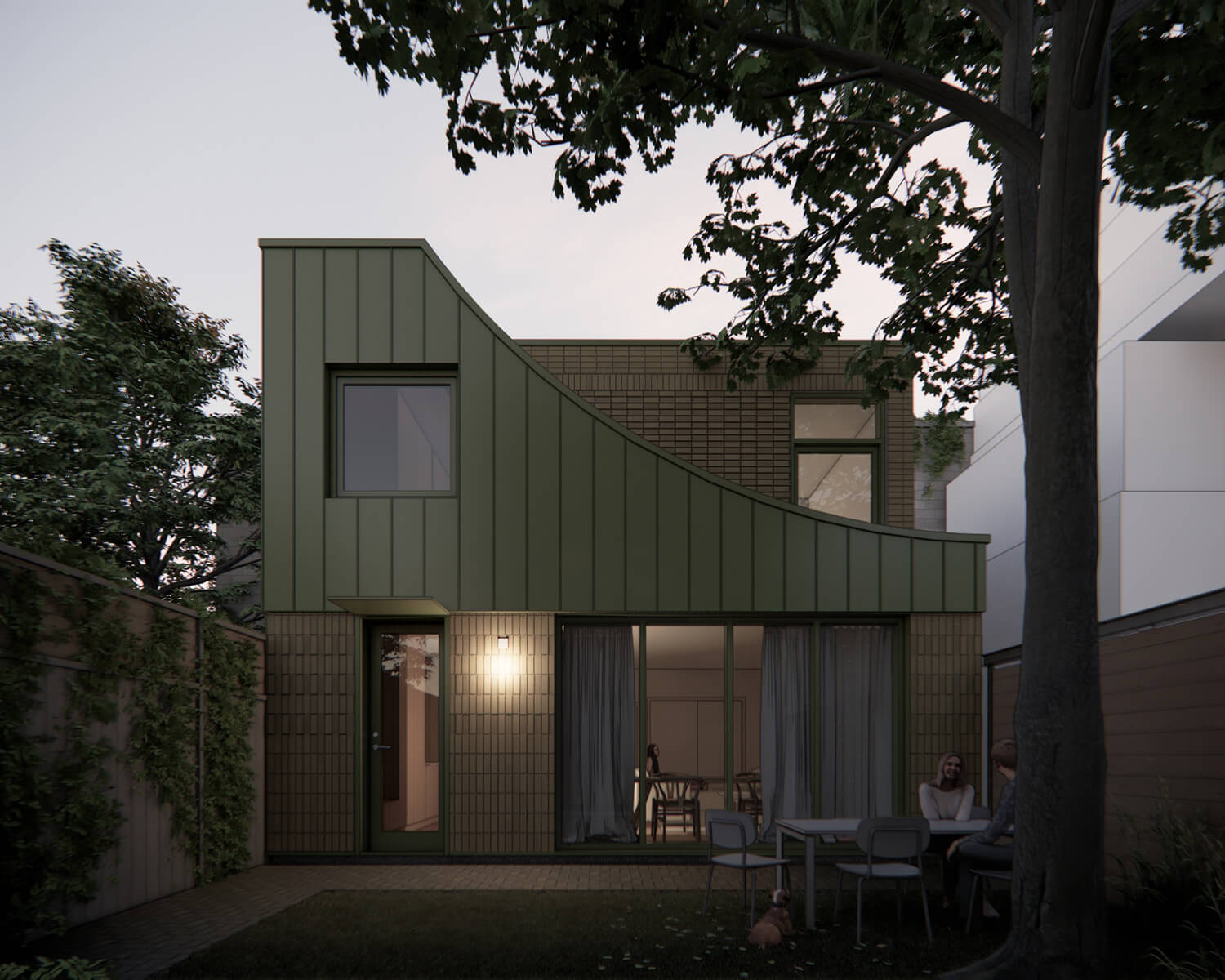
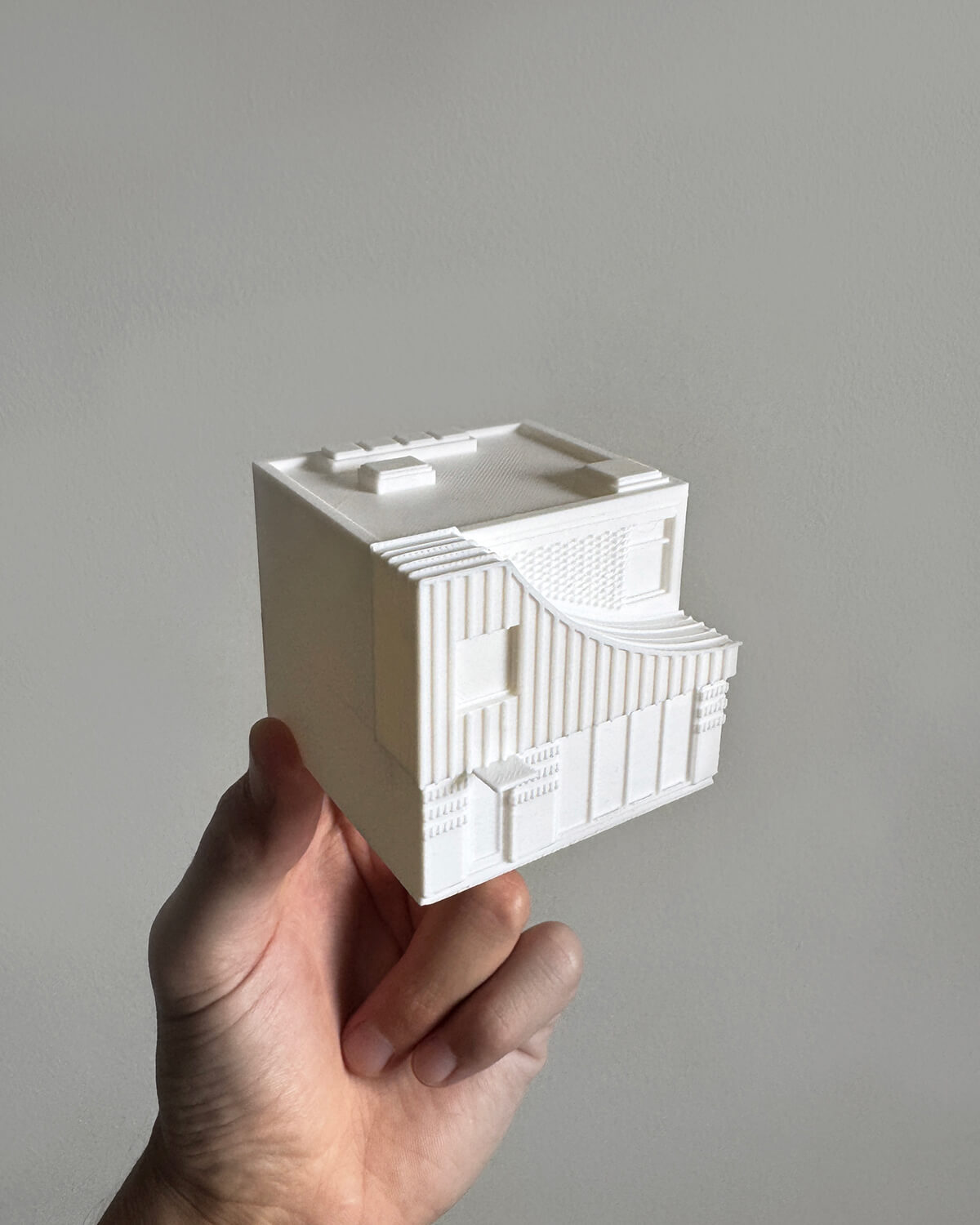
Projects: A concept for a circular washroom with “sun snorkels” to carry in daylight; a pink Toronto laneway house with a curved front soffit and another with a ski slope–shaped facade.
What’s the main goal that drives your work?
Matt Hagen, architect and founder: We’re driven to increase both the quality and quantity of housing — to design spaces that enrich people’s daily lives while unlocking real density in places others might overlook.
What has changed the most about your career during your time in the industry?
The upside to the speed of visualization today is that iterating has gotten so much easier. The downside is that when polished visuals come together this fast, it’s easy to lose sight of the labour behind them. The image itself may take minutes to render, but the real effort goes into the architectural problem-solving behind it.
What should be the industry’s biggest priority over the next five years?
Fixing how design competitions and public procurement work. It used to be that young, emerging firms could break out into big new typologies through anonymous, open design competitions, like KPMB Architects winning Kitchener City Hall back in 1989. Today, procurement requirements demand such extensive track records that they basically lock emerging studios out of meaningful public work.
3
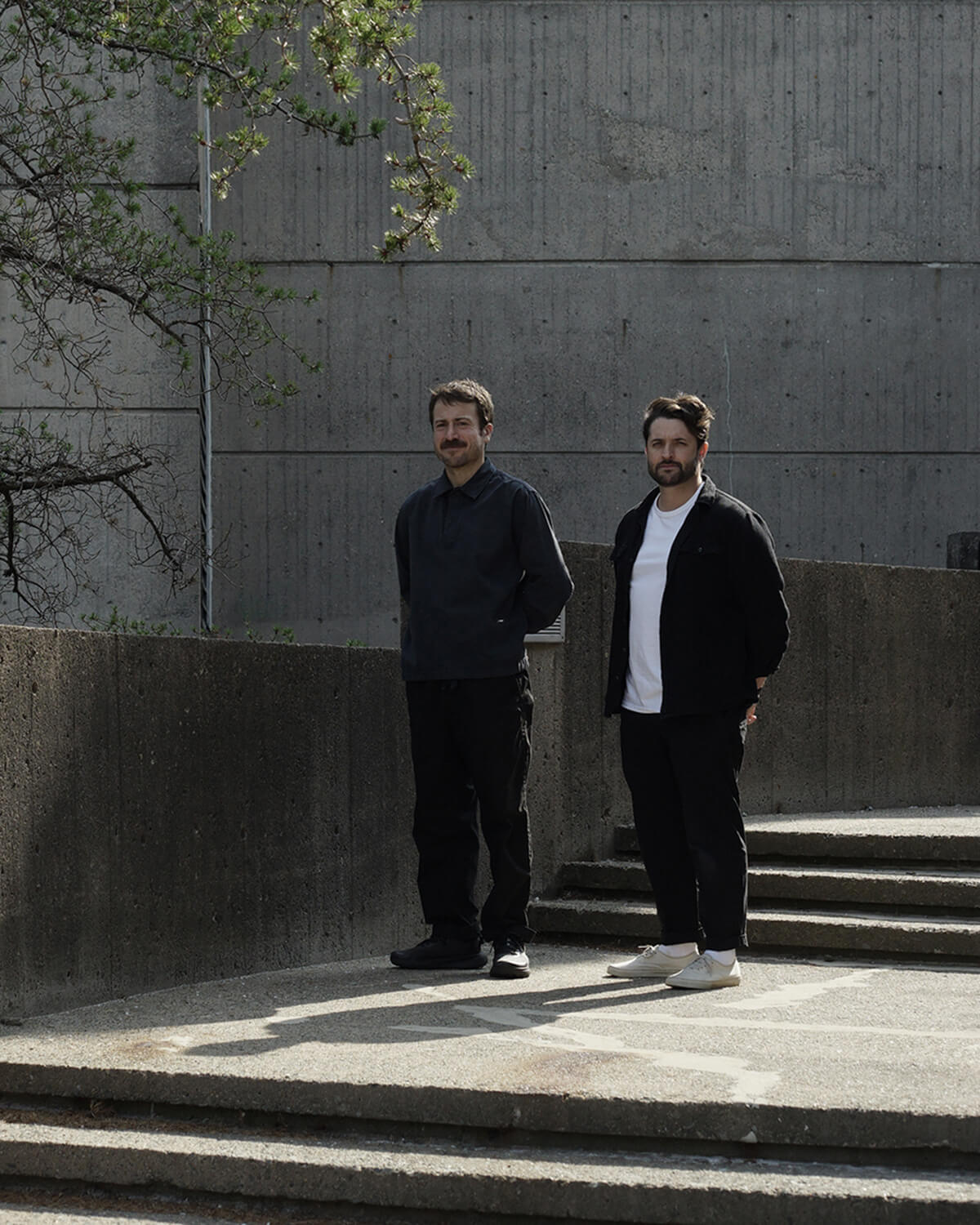
Based In: Halifax
Founded: 2024
Employees: 2
Projects: A proposal for a mixed-use Truro mid-rise with a pedestrian passthrough; a square house with a central courtyard; an oceanside home organized along a long, thick wooden wall.
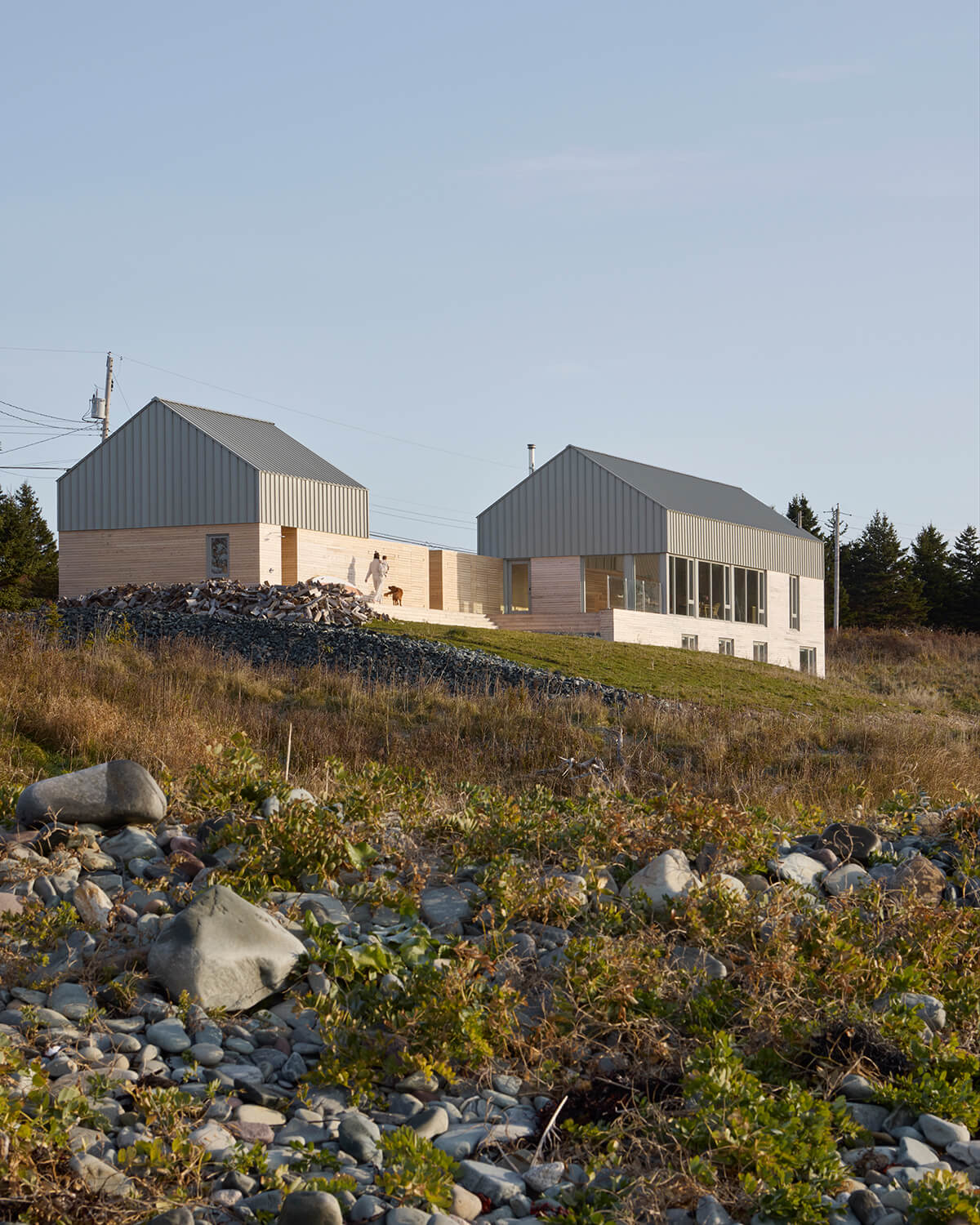
What’s the main goal that drives your work?
Matthew Bishop and Lucas McDowell, principal architects: We strive to create buildings that are deeply rooted in their place, informed by the realities of construction, and shaped by the lived experiences of the people who inhabit them.
What does meaningful mentorship look like?
For us, meaningful mentorship means being part of a supportive community of like-minded architects and designers, where knowledge, ideas and experiences are shared openly.
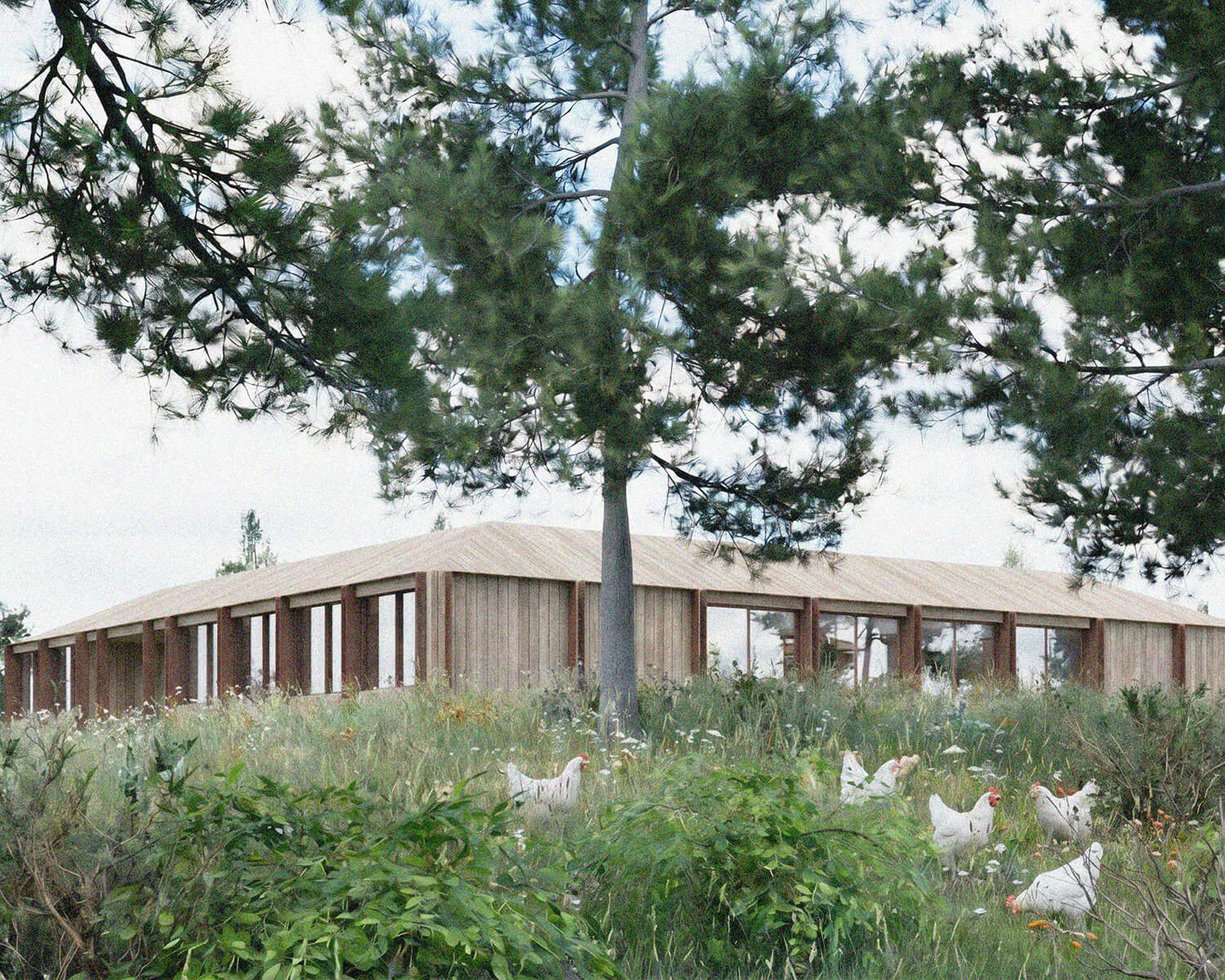
What has changed the most about your career during your time in the industry?
While A.I. and other evolving technologies allow us to expand our capabilities, they also reinforce the continued importance of human creativity, critical thinking and design judgment.
4
Based In: Calgary
Founded: 2018
Employees: 18
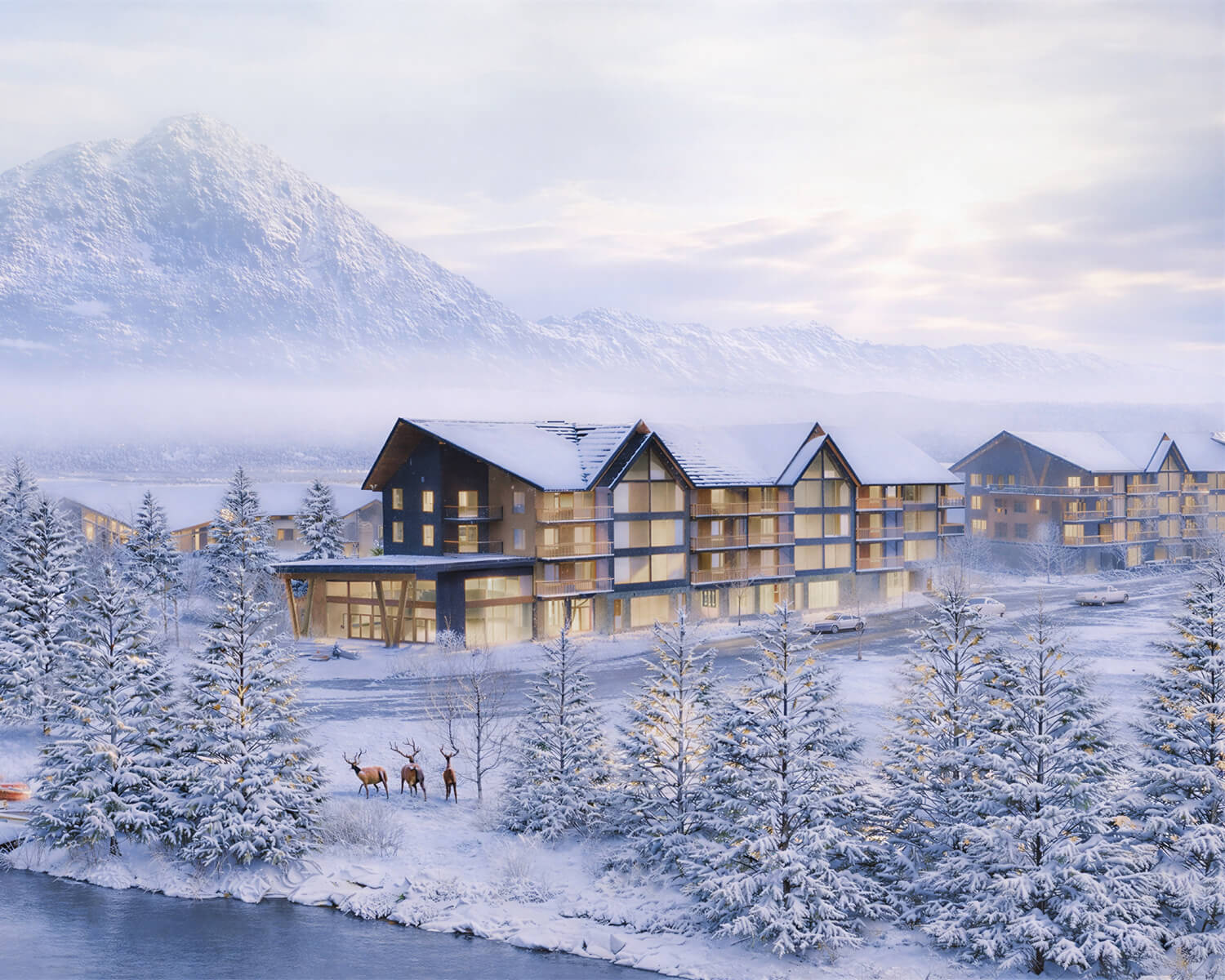
Projects: A ceremonial pavilion for the O’Chiese First Nation; the 115-suite Hyatt Place Whitehorse; affordable housing in Calgary’s Bowness neighbourhood.
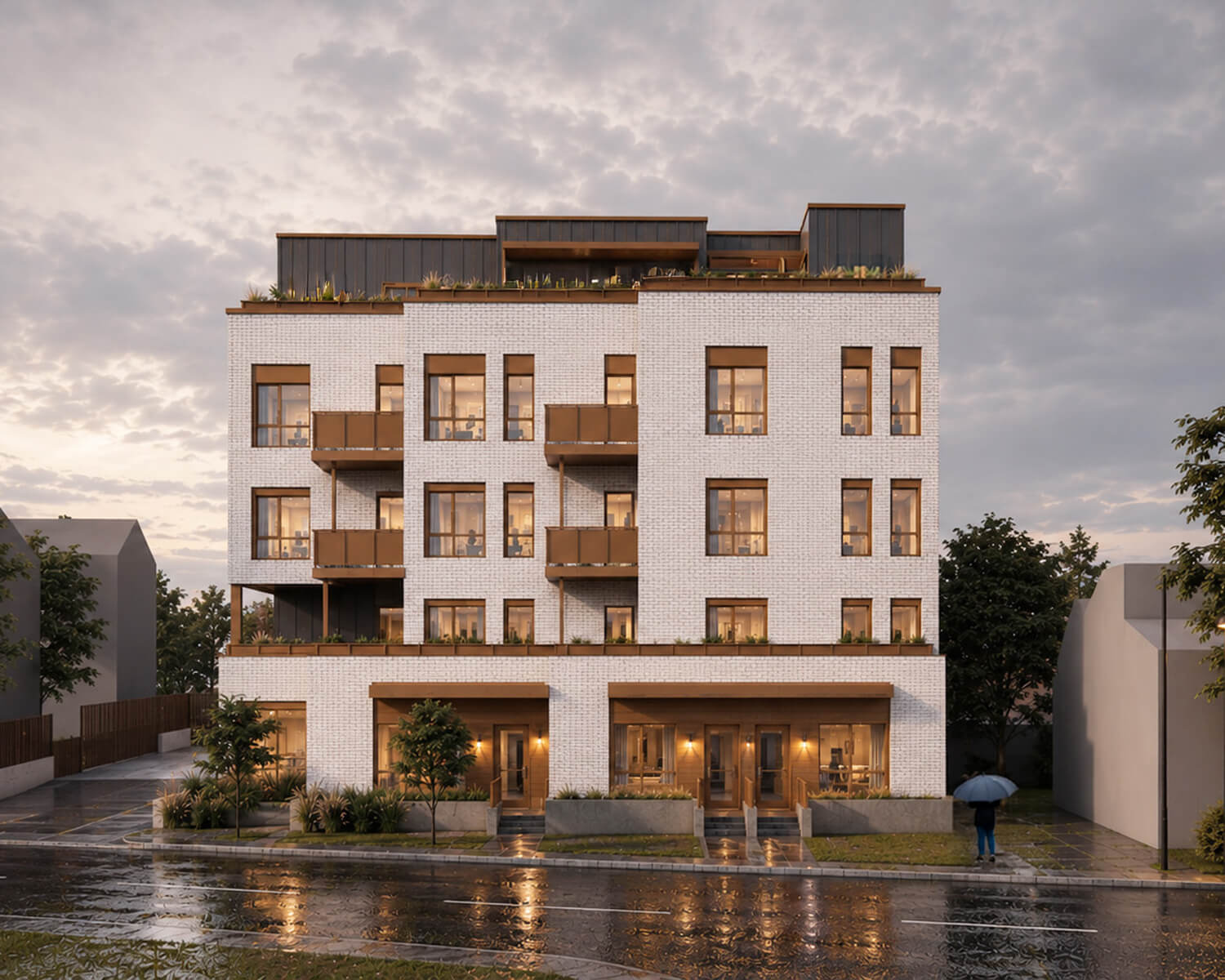
What’s the main goal that drives your work?
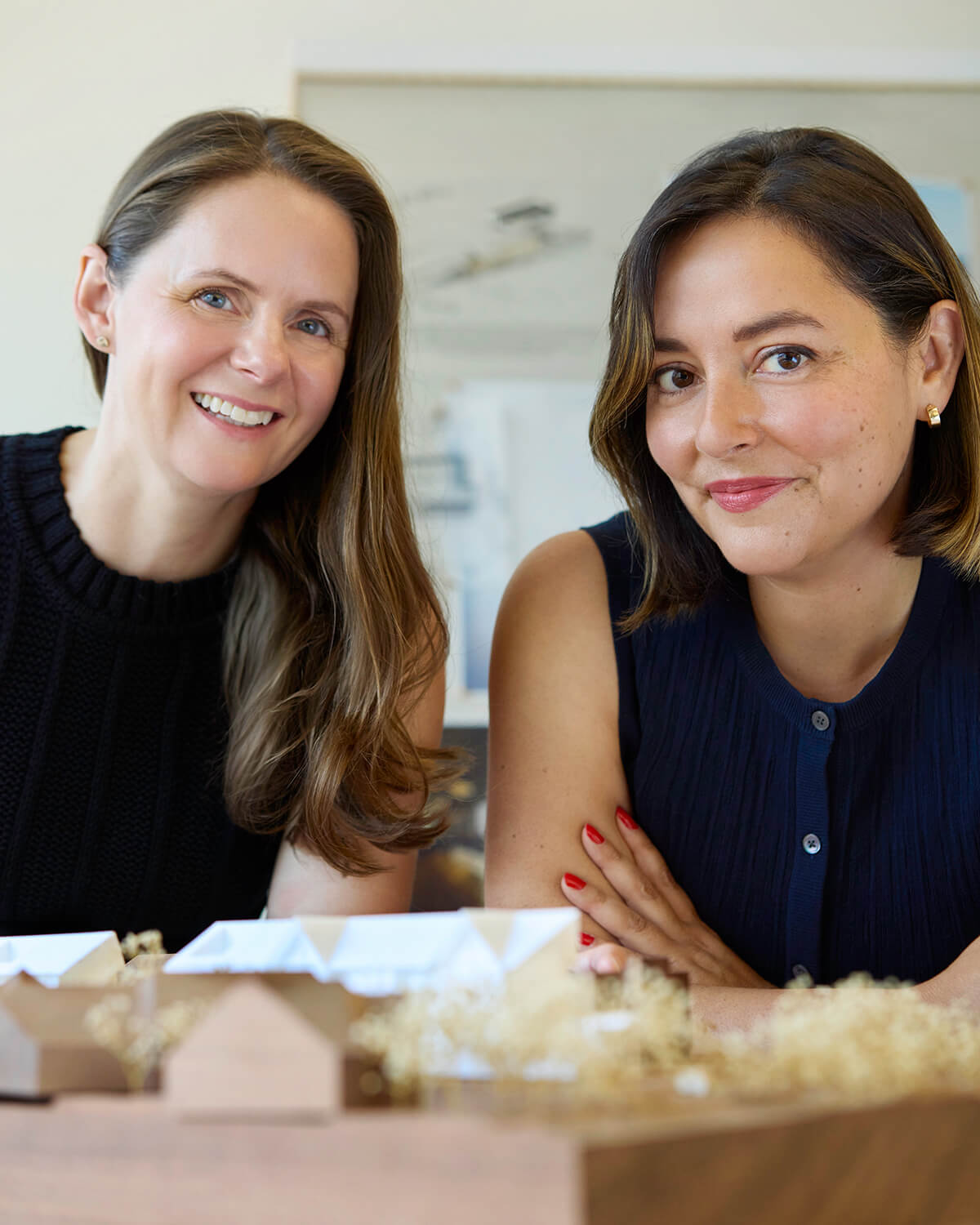
Maria Landry, co-founding principal architect: We founded our studio in 2018 with the goal of focusing on socially and environmentally conscious design — and we tend to attract clients who share the same values.
What’s your proudest accomplishment to date?
Erica Lowe, co-founding principal architect: Landing a large hotel project in Whitehorse was a very proud moment for me. Learning to adapt to design and construction in a northern climate and working closely with Indigenous artists to seamlessly integrate art into the architecture was extremely rewarding.
What has changed the most about your career during your time in the industry?
ML: The biggest change for me has been the flexibility that we’ve designed into our practice. We are both mothers to small children, so the traditional workday
schedule just didn’t work for us anymore. Our practice extends this flexibility to everyone on our team and is built into our work policy.
5
Based In: Vancouver
Founded: 2024
Employees: 1
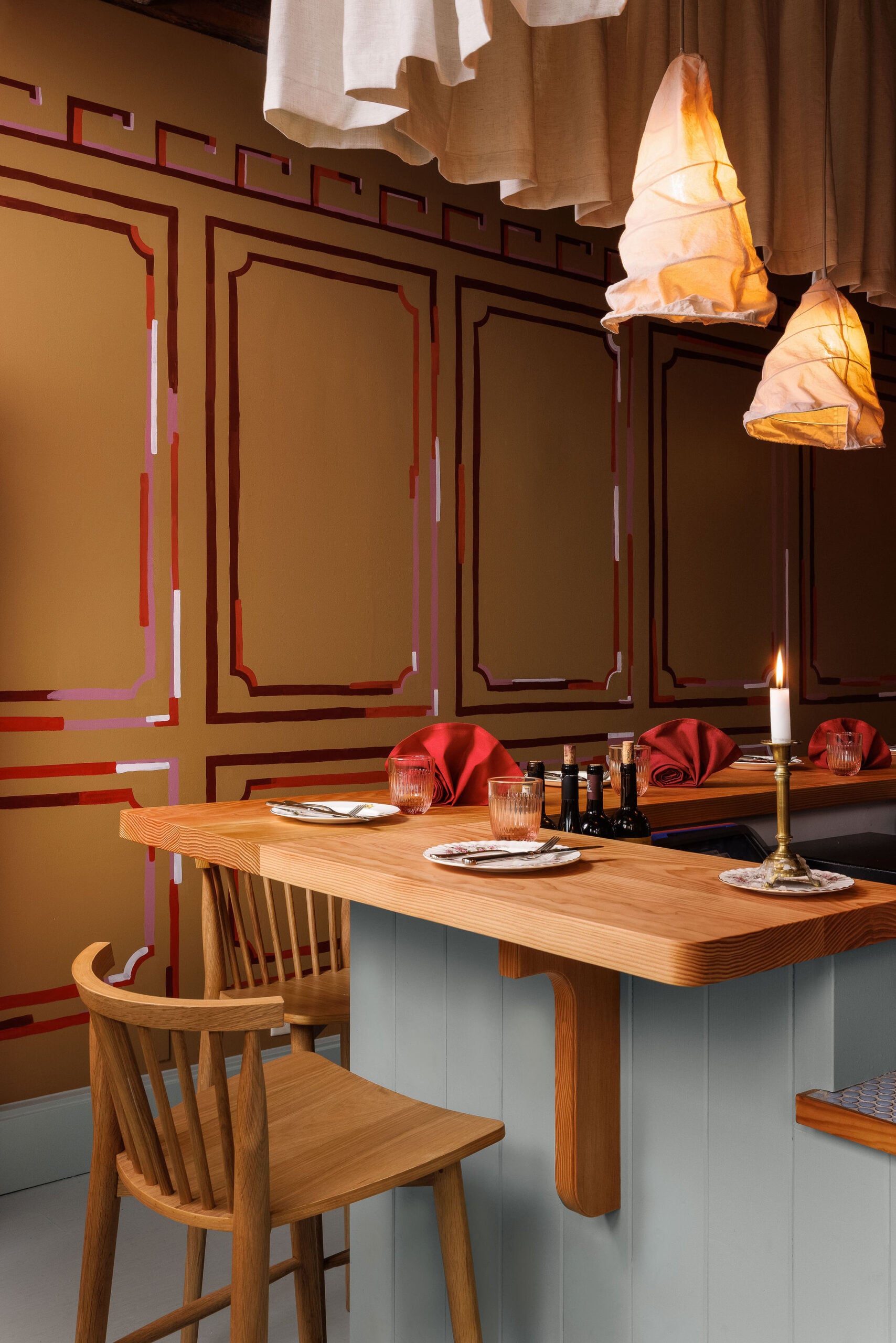
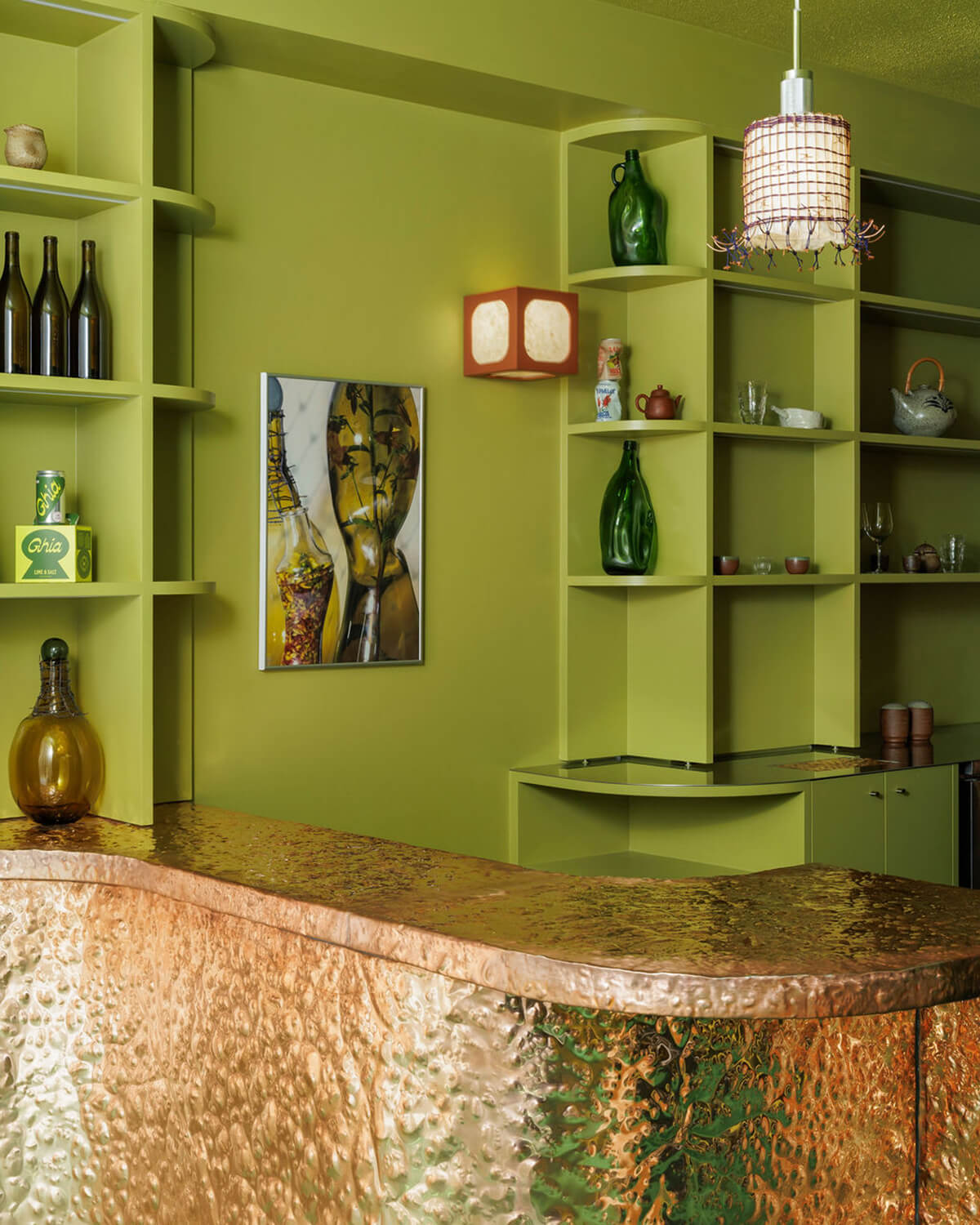
Projects: Lumache, a pasta restaurant with trompe l’oeil walls that mimic Italian facades; a new-build house on Salt Spring Island; Softer Drink, a pea-green tea bar in Victoria.
What’s the main goal that drives your work?
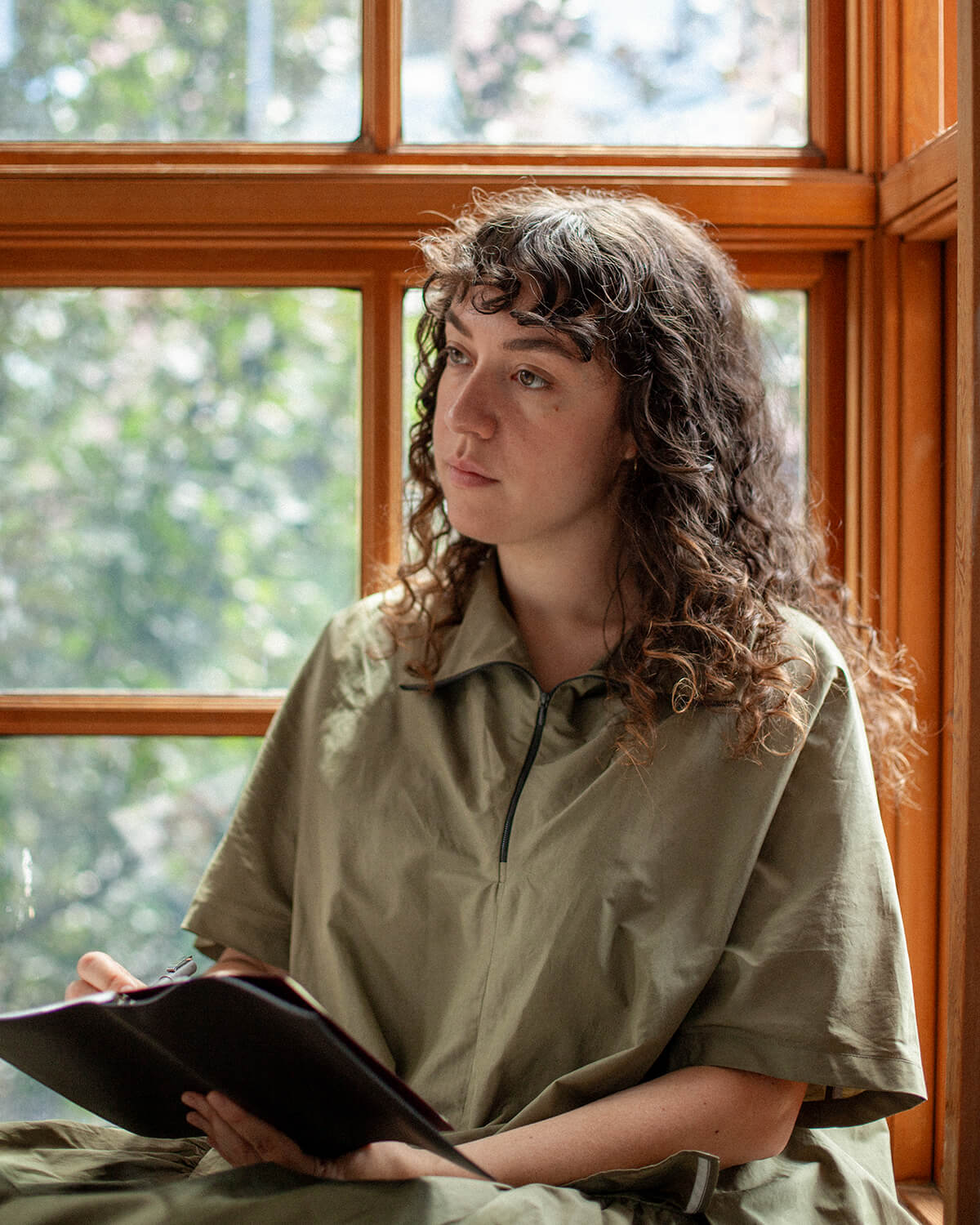
Claire Saksun, principal: I am driven by design that is fundamentally humane in both process and result. The most rewarding aspect of my work is knowing that it shapes people’s everyday lives. The other side of the same coin is using our hands to draw, working through details on site, and learning directly from builders, tradespeople, other designers and artists.
What does meaningful mentorship look like?
To me, this looks like teaching designers how to really run a business and inviting them into the parts of practice that are often kept behind closed doors — like project proposals, fee structures, client relationships, contracts and administration. I was very lucky to have a mentor early in my career who did this without thinking twice about it. Because of that natural generosity, I was able to start my own practice much sooner than I otherwise would have.
What’s your proudest accomplishment to date?
I am really proud of our project Softer Drink, and more holistically of prioritizing the work of artisans and expressive trades in the design. Everything I want my work to be — to have a legible unifying concept, to feel personal and to reflect the unique needs and wants of the clients — I think we achieved here.
5 Emerging Canadian Studios on Where They Started — and Where They’re Going
A coast-to-coast conversation with the founders of five emerging Canadian design firms.