

As A.I. evangelists pitch their technology’s ability to streamline the creative process, Salone del Mobile president Maria Porro spent this past April stressing the value of thoughtful, rigorous research and development. “A.I. is an incredible tool, and we should learn how to use it,” she acknowledged during her opening press remarks. “But to learn how to use it, we have to nurture our critical soul. We need to be able to see the mistakes, to recognize the copies and to understand what has already been done.”
To facilitate that education, the Salone team launched Common Archive, an initiative that saw 19 institutions across the city open their archives to the public for free on the Friday night of this year’s fair. Participating venues included foundations dedicated to design greats like Achille Castiglioni, as well as the Centre for Advanced Studies in the Visual Arts (CASVA) — based, since last fall, in a Piero Bottoni building originally designed for the 1947 Milan Triennale. “We believe that memory doesn’t have to be something that takes dust,” said Porro. “Archives have to be alive, and have to be a source of knowledge for the new generation.”
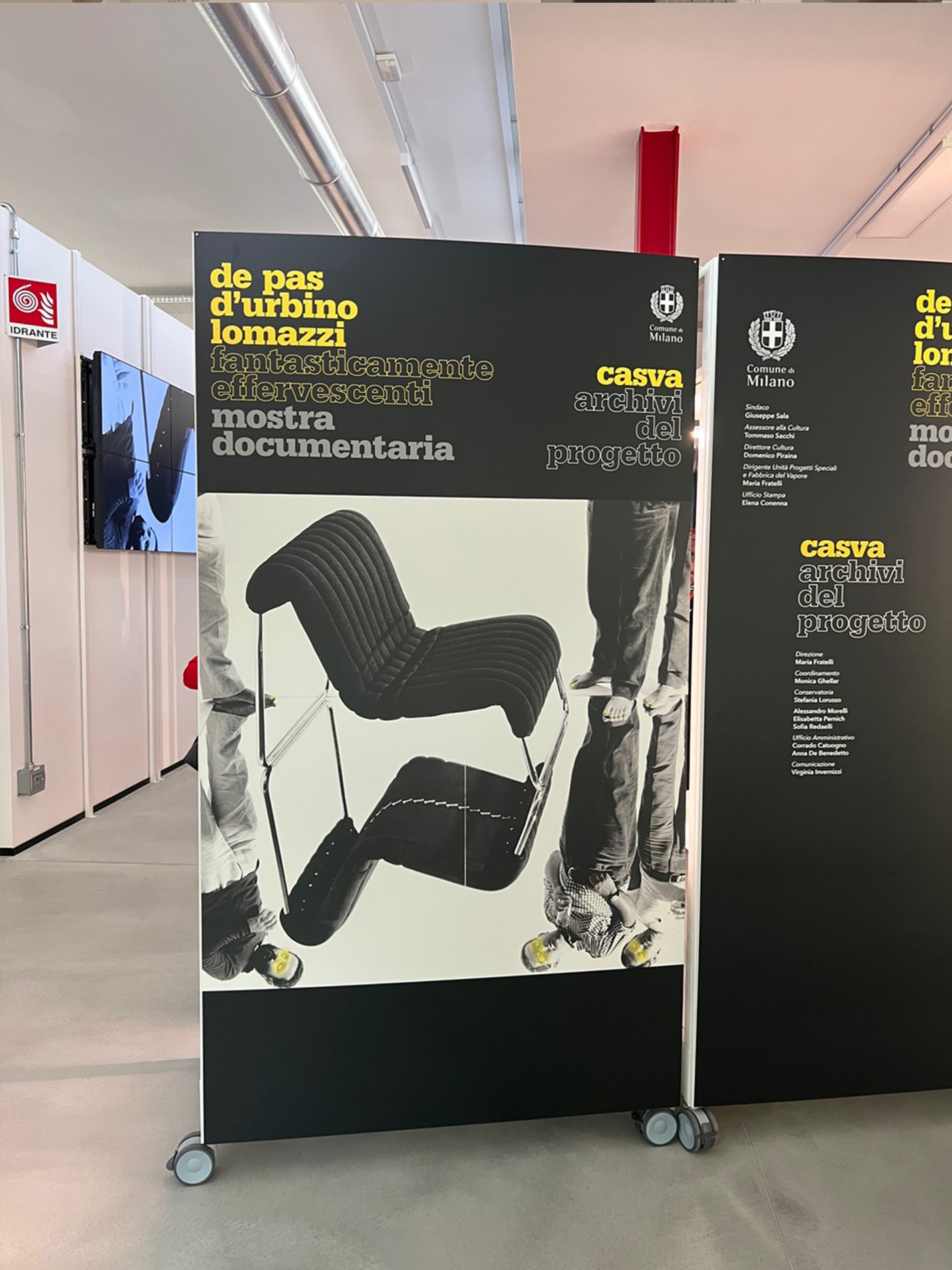
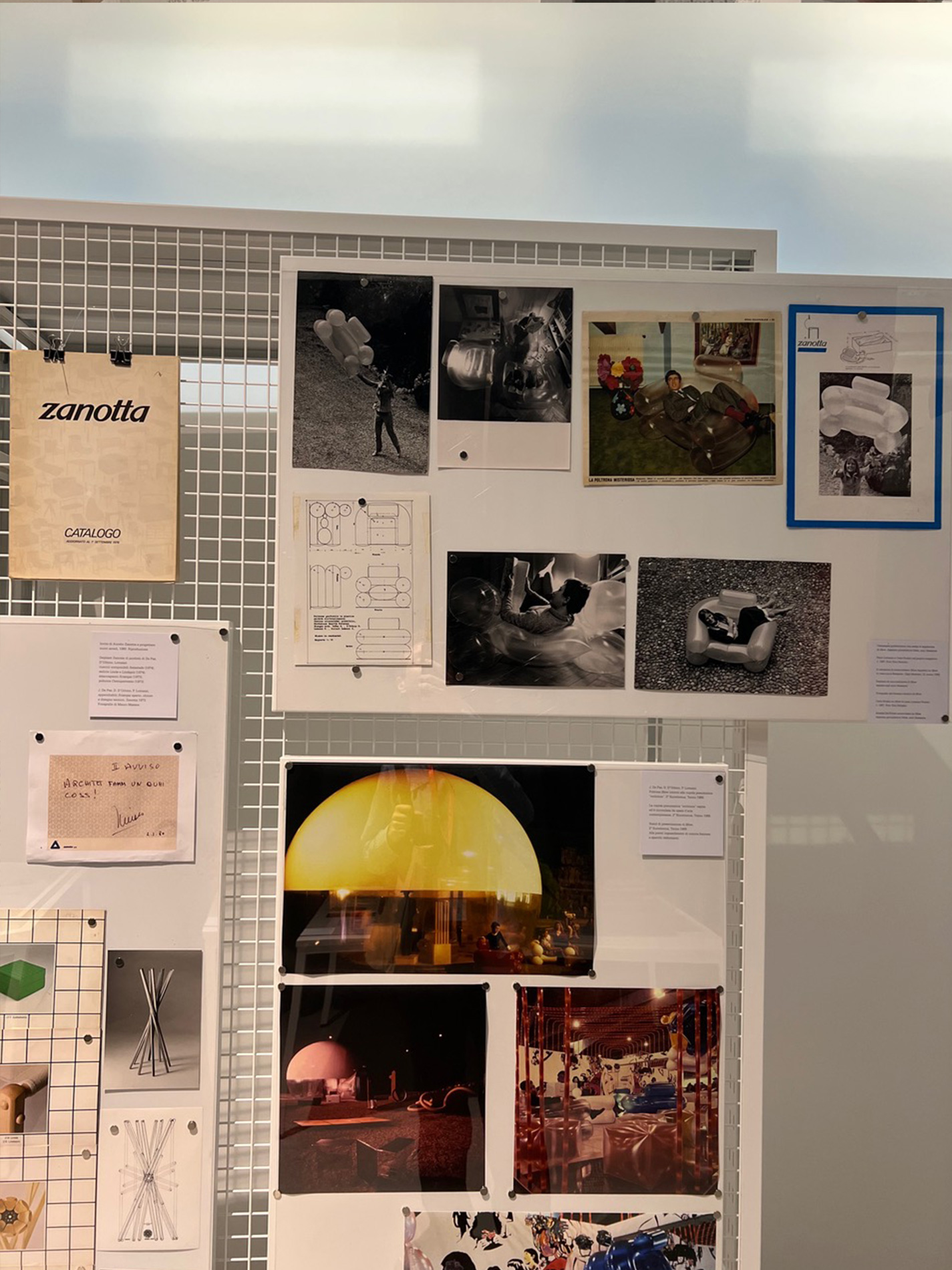
Each destination presented sketches, models and prototypes that demonstrated design in action. CASVA, for instance, charted the development of pieces by the Milanese trio of De Pas, D’Urbino and Lomazzi, like Zanotta’s 1967 Blow inflatable armchair — a predecessor of sorts to Mikael Axelsson’s air-filled 2026 Easy chair being launched at IKEA’s Fuorisalone exhibition across town. Sure enough, Common Archive sought not to inspire nostalgia but to imbue a deeper appreciation for historical precedents — especially critical now that generative A.I. is obscuring these precedents through opaque retreads of existing intellectual property.
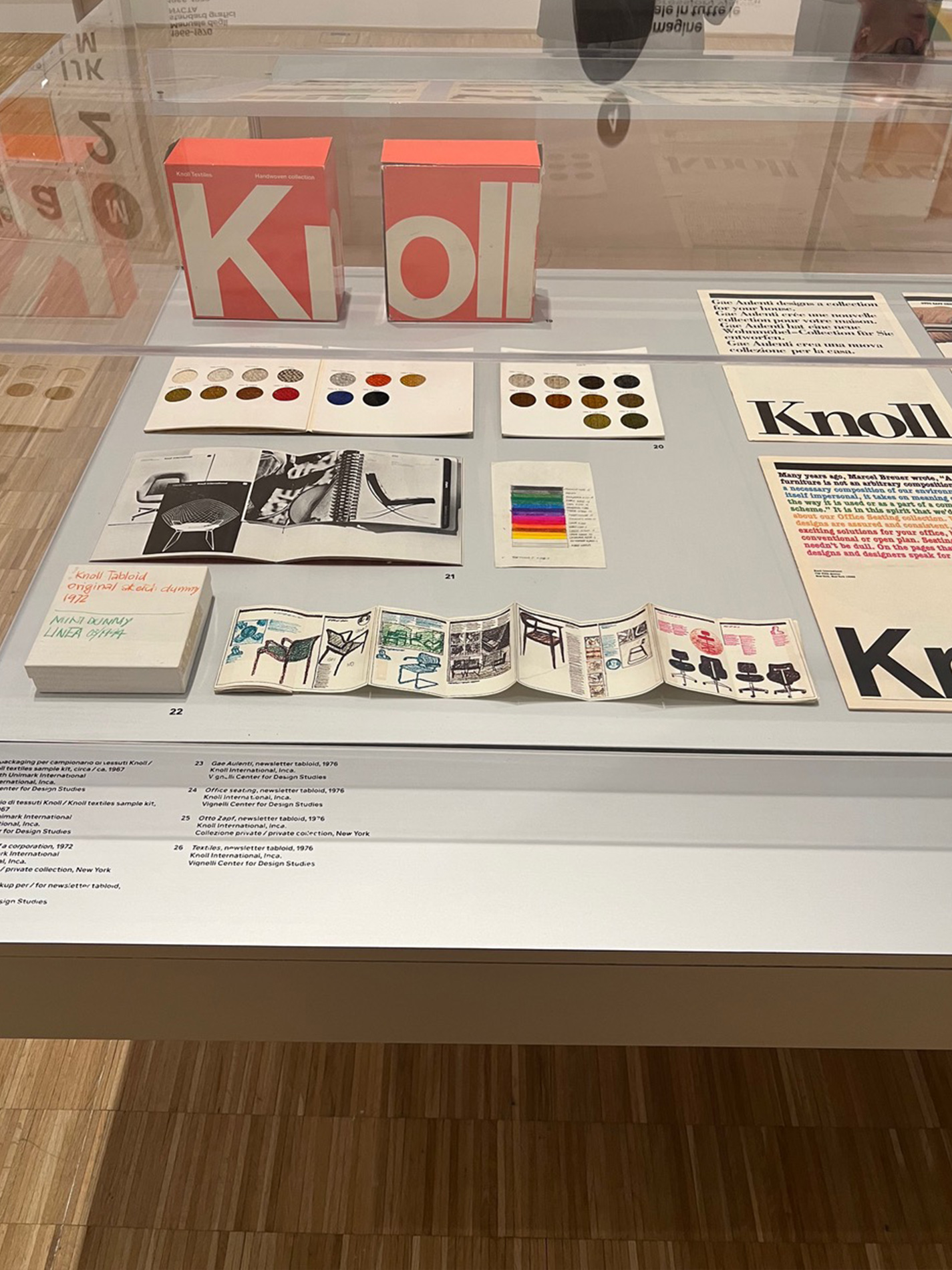
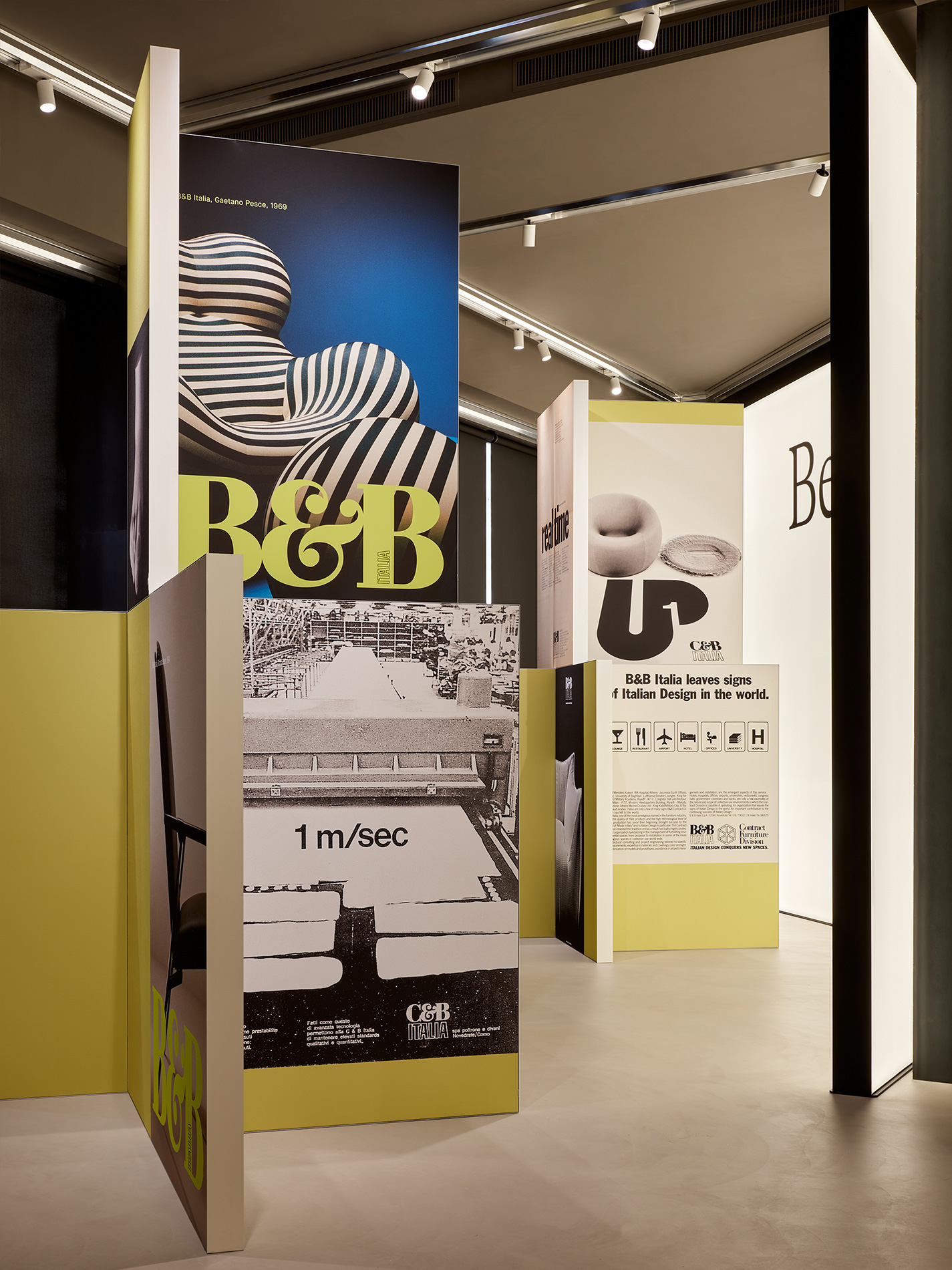
Meanwhile, across Milan Design Week’s other programming, archival marketing material was experiencing its own renaissance. At the Triennale, an exhibition about Massimo and Lella Vignelli was a graphic design gold mine, presenting original Heller packaging alongside a hand-sketched Knoll pamphlet mock-up from 1972. On Via Durini, B&B Italia filled its showroom with oversized versions of magazine ads from its 60-year history, each accompanied by credits identifying the full team involved in its production — and, in a few cases, by the negatives from the original campaign shoot. Rest assured, these were real photographs — and they had supported real creative livelihoods, too.
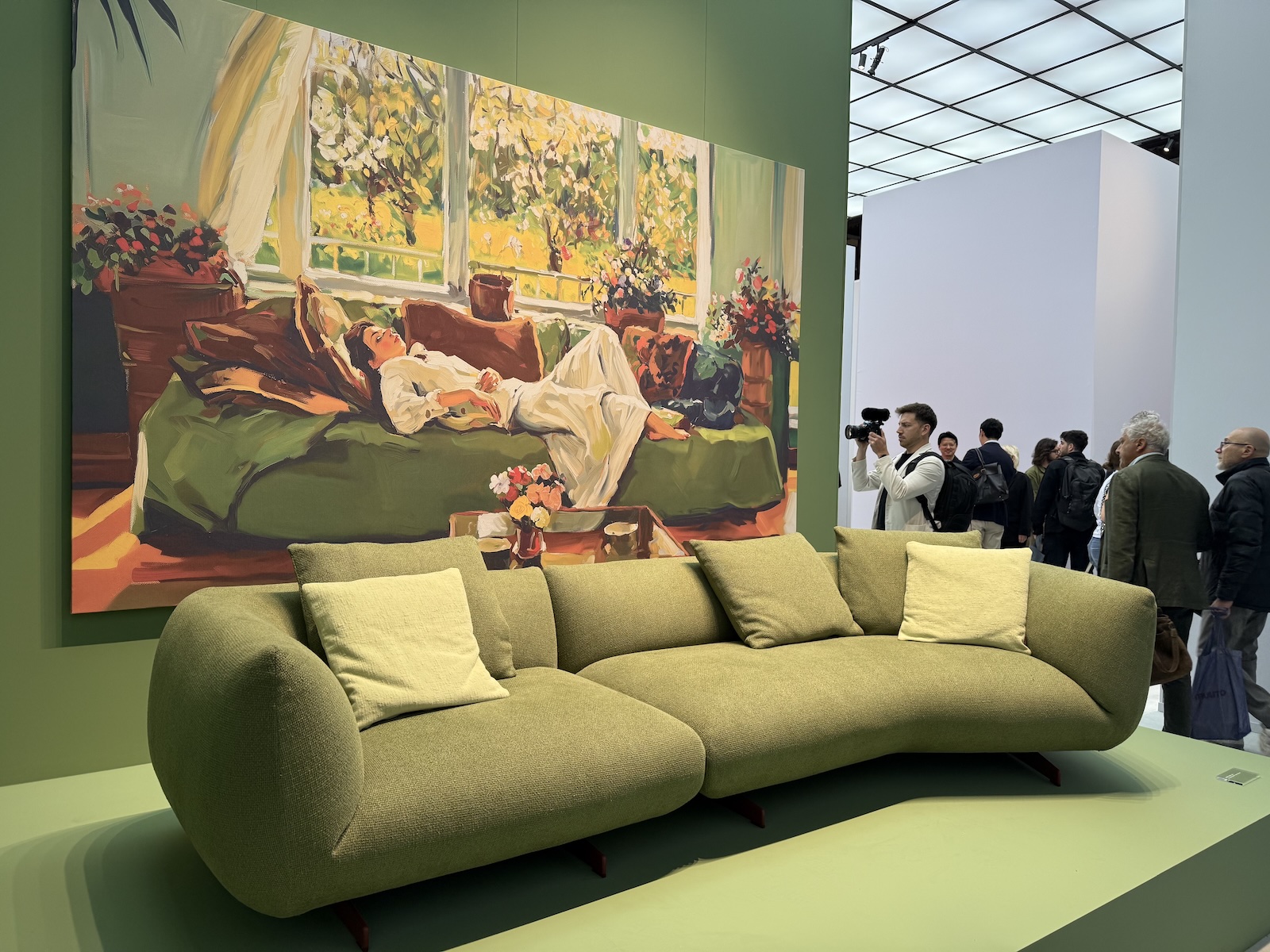
Contrast that with Kartell’s Salone exhibition, which assembled an entire art gallery of expressionist canvases inspired by its latest collection, with nary a credit in sight. As it turned out, the works on display had been generated by A.I. Sure, there can be an art to writing and refining A.I. prompts, but in that case, we need to normalize attributing the humans behind the images rather than just the tool they used. Without that, the whole affair did an injustice to the otherwise dignified furniture on display. On the other hand, by emphasizing the true labour of love behind some of design’s greatest hits, Common Archive and Milan Design Week’s other archival exhibitions served as an important reminder of the power of human ingenuity and soul. As our lives overflow with A.I. slop, we must ensure that there remains more to design than just a data centre.
As Generative A.I. Takes Hold, We Have a Duty to Respect Design’s Archives
During Milan Design Week, the city’s archives demonstrated the merits of the design process — in all its arduous glory.