
Welcome to Design Calendar, a new monthly roundup thoughtfully assembled to help you find the architecture and design events worth knowing about now. While our Events section is always updated with listings from across the industry, this series offers a more curated look at the exhibitions, talks, tours, installations and openings that are on our radar — from museum shows and public art to programming that brings design into conversation with culture, history and civic life. Check back each month to keep a finger on the pulse of what’s happening in architecture and design.
1
As Seen Below at ARoS Aarhus Art Museum
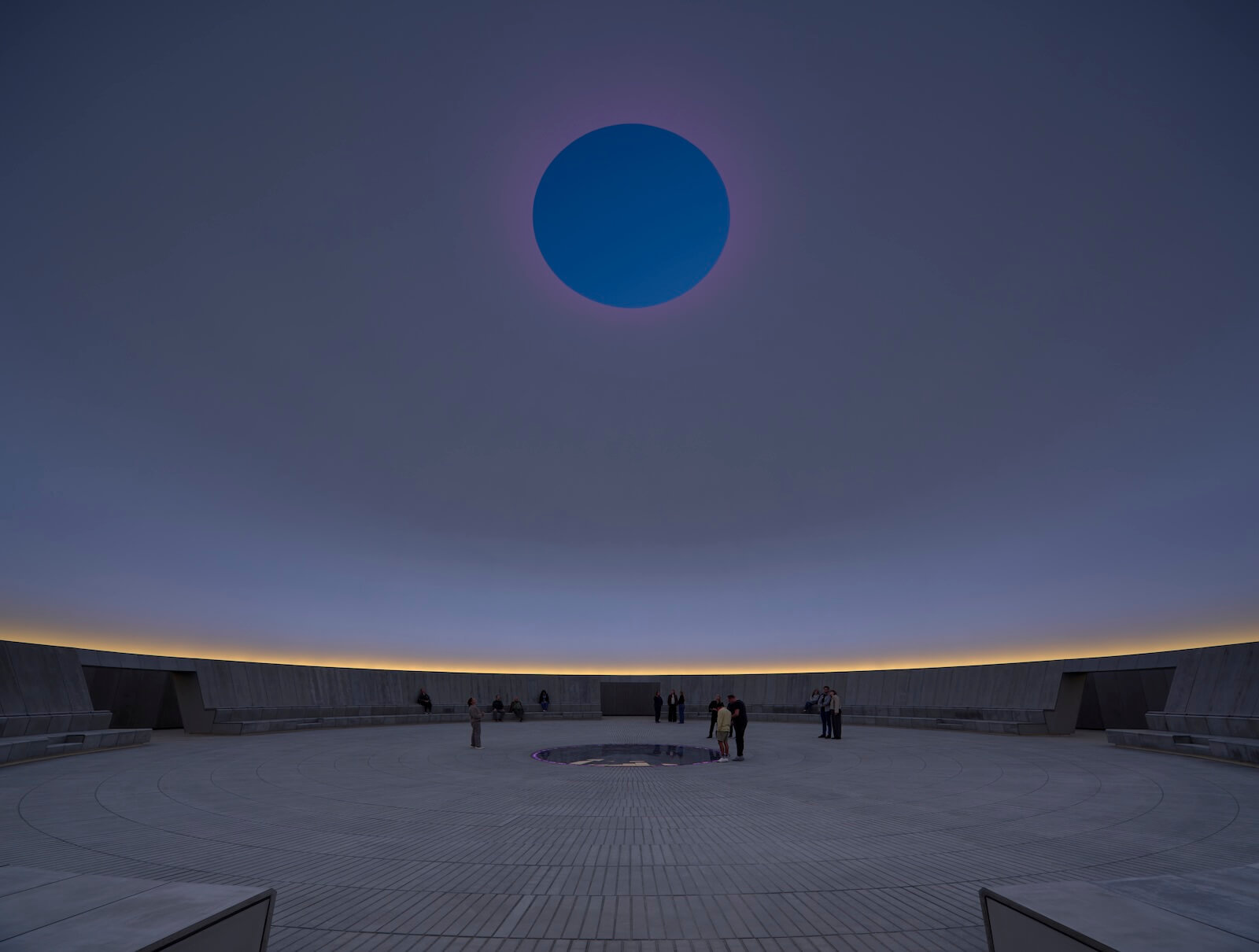
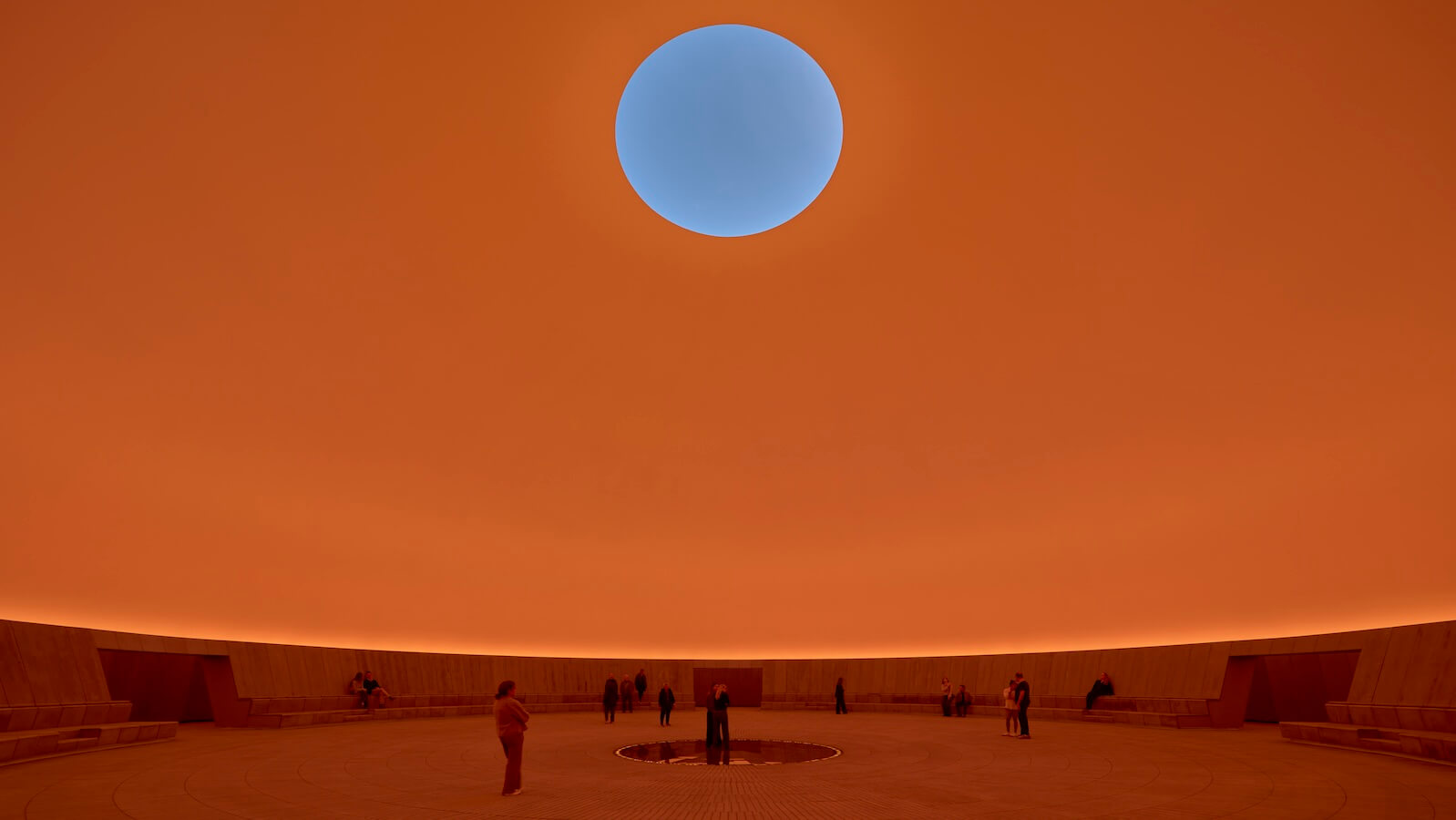
Staggeringly beautiful, As Seen Below — The Dome is the latest James Turrell Skyspace rendered possible through tailor-made architecture — this time, in a setting designed by Schmidt Hammer Lassen that truly monumentalizes the artwork. Located at ARoS, next to Olafur Eliasson’s Your Rainbow Panorama, the 4,000-square-metre subterranean building represents the Danish architecture firm’s latest expansion to the Aarhus art institution. The dome frames the incredible, 16-metre-high, 40-metre-diameter immersive light installation, retracting its cap — which required the design of “an advanced closure mechanism” — to frame the sky and evoke the illusion of a majestic celestial event. James Turrell, ARoS and Schmidt Hammer Lassen worked together from sketch to construction, the architecture completing the artwork.
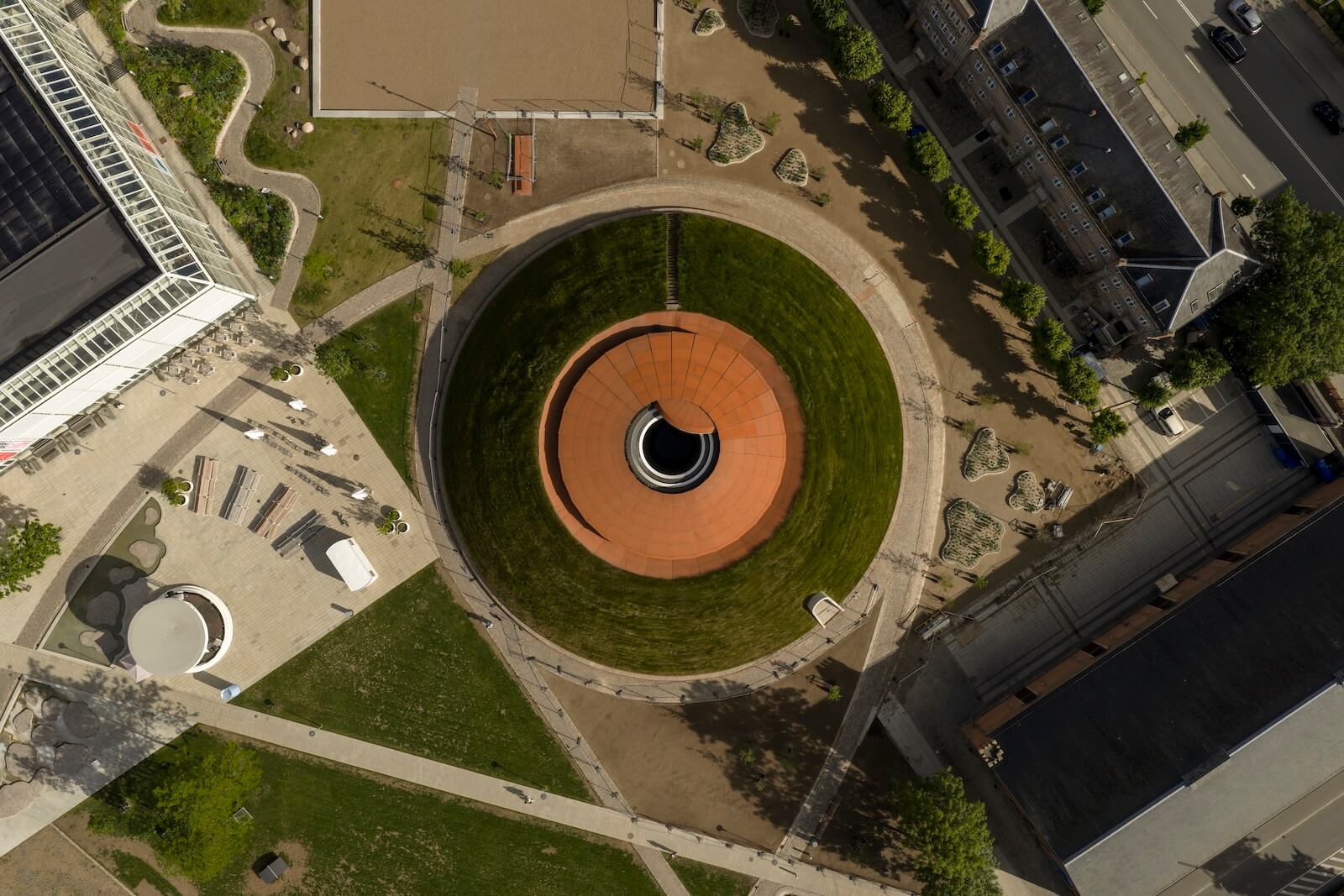
The largest Skyspace ever realized within a museum setting, As Seen Below begins with “a passage from light into darkness beneath the ground,” according to the firm. “The absence of daylight and the gradual descent build anticipation for the encounter with light and sky as experienced from within the dome itself. In this way, architecture becomes an essential part of the artwork, preparing visitors for a sensory experience unlike any other.” Absolutely divine.
2
International Garden Festival | Reford Gardens 2026
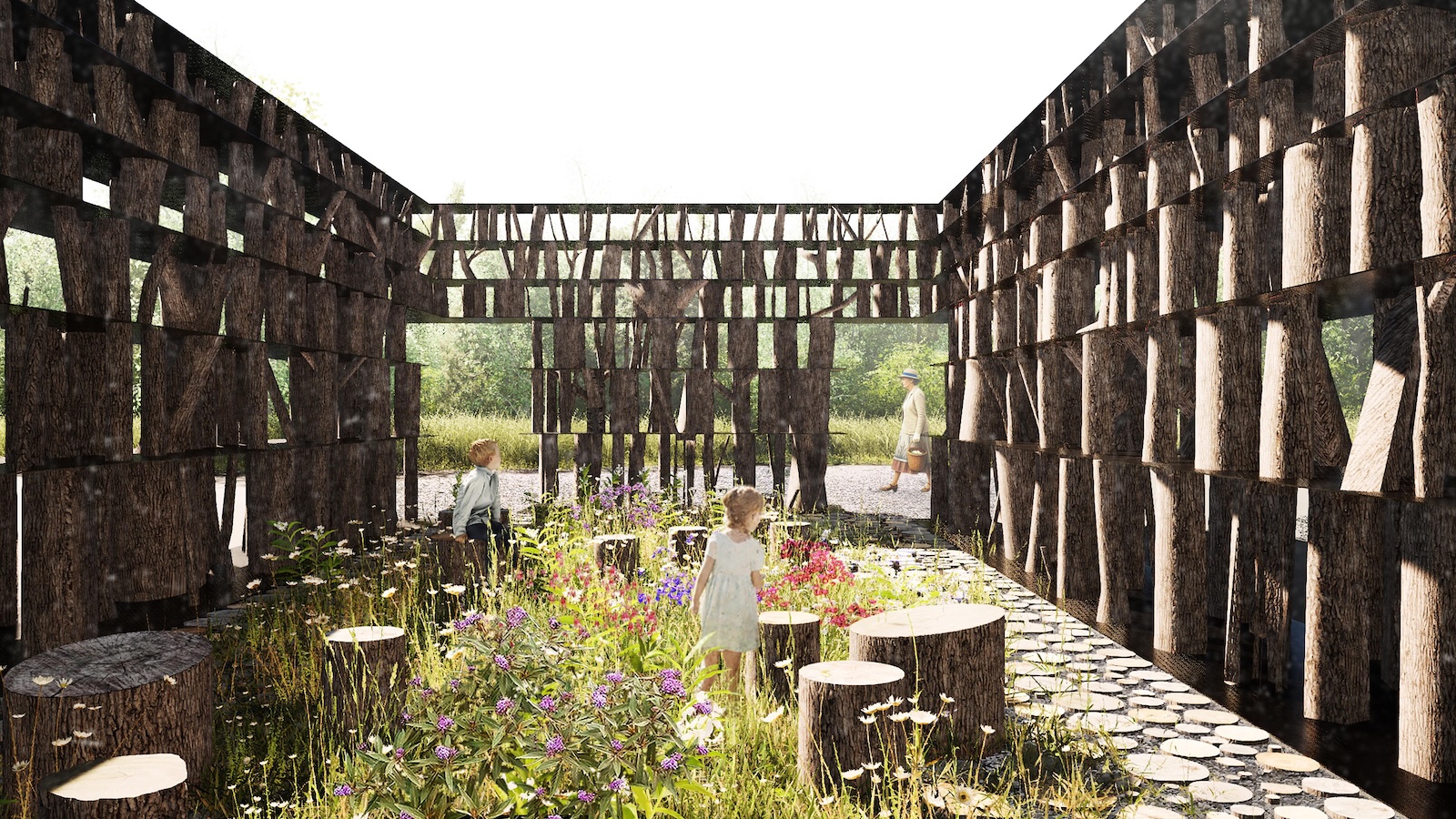
The International Garden Festival at Jardins de Métis — Reford Gardens in Grand-Métis, Quebec, celebrates its 27th edition this summer with the theme “Mapping Sensitivity.” The festival is a mecca for innovative landscape design, and this year is no different: Its five installations from practitioners around the world explore our connection to nature in profound, multi-sensory ways. Among them is Hugh Taylor’s Again, a Garden, a pavilion built from fallen logs and planted with pollinator species that encourages visitors to understand their surroundings as “a cycle where decay and life are understood as integral parts of a single system.” Another evocative contribution is Tainai-Meguri by Measured Architecture Inc. + Tamotsu Tongu, Kumpei Wakino, which translates the ubiquitous digital screen before our face as a “cave made tangible by a sweeping arbour.”
The wonderful Montreal-based Magazine Ligne has the goods:
3
Bas Smets Water Garden at Vitra Campus
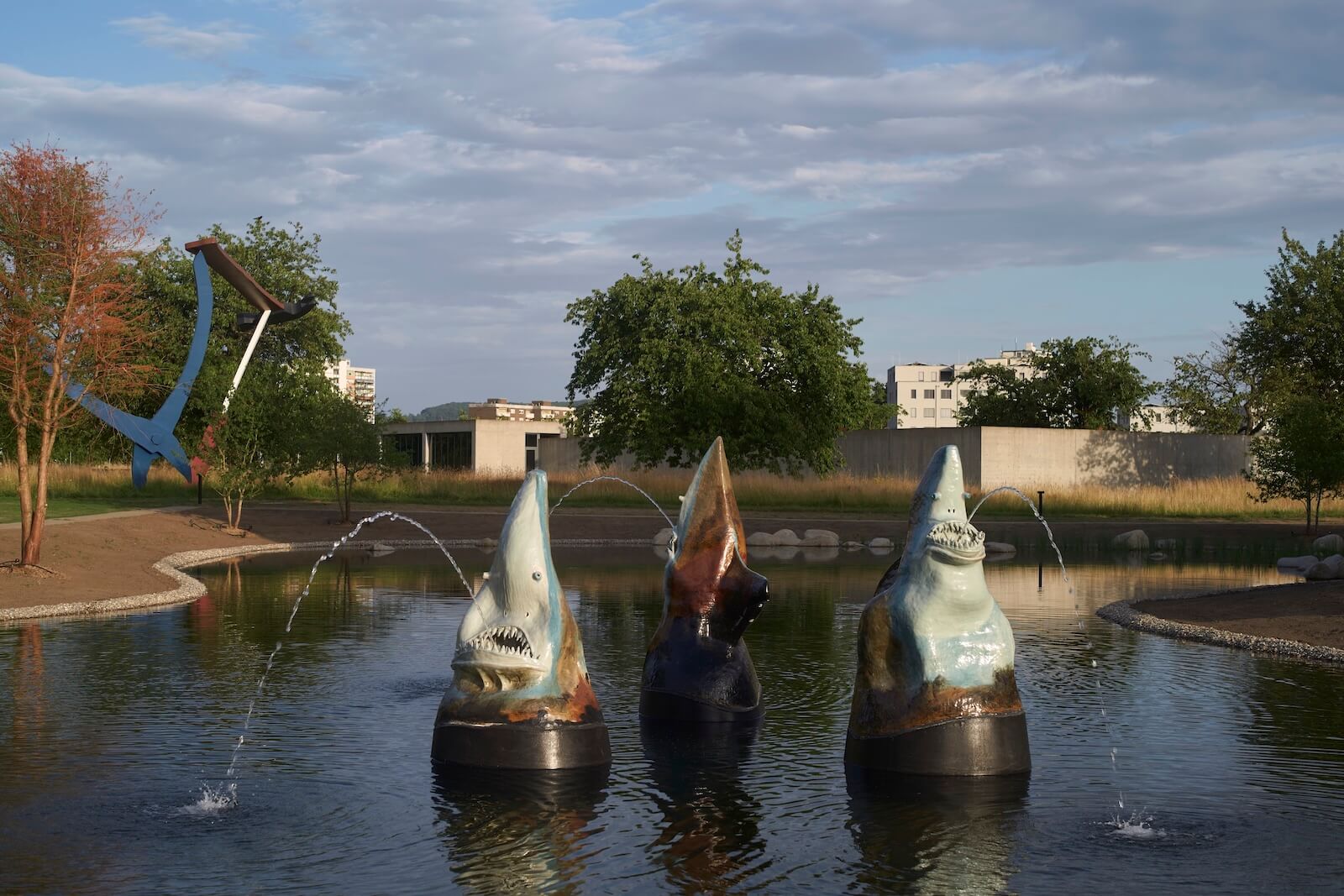
In June, Bas Smets completed the Water Garden at the Vitra Campus, directly in front of Frank Gehry’s Vitra Design Museum. It’s part of the Brussels-based landscape architect’s climate-resilient re-imagining of the site, which will see it transformed into a living organism over the next few years, with renaturalized green spaces where there are now sealed surfaces. Smets, who played a key role in revamping Notre-Dame Cathedral in Paris with a view towards re-vegetation, sees his work at the Vitra Campus as one of ecological transformation.
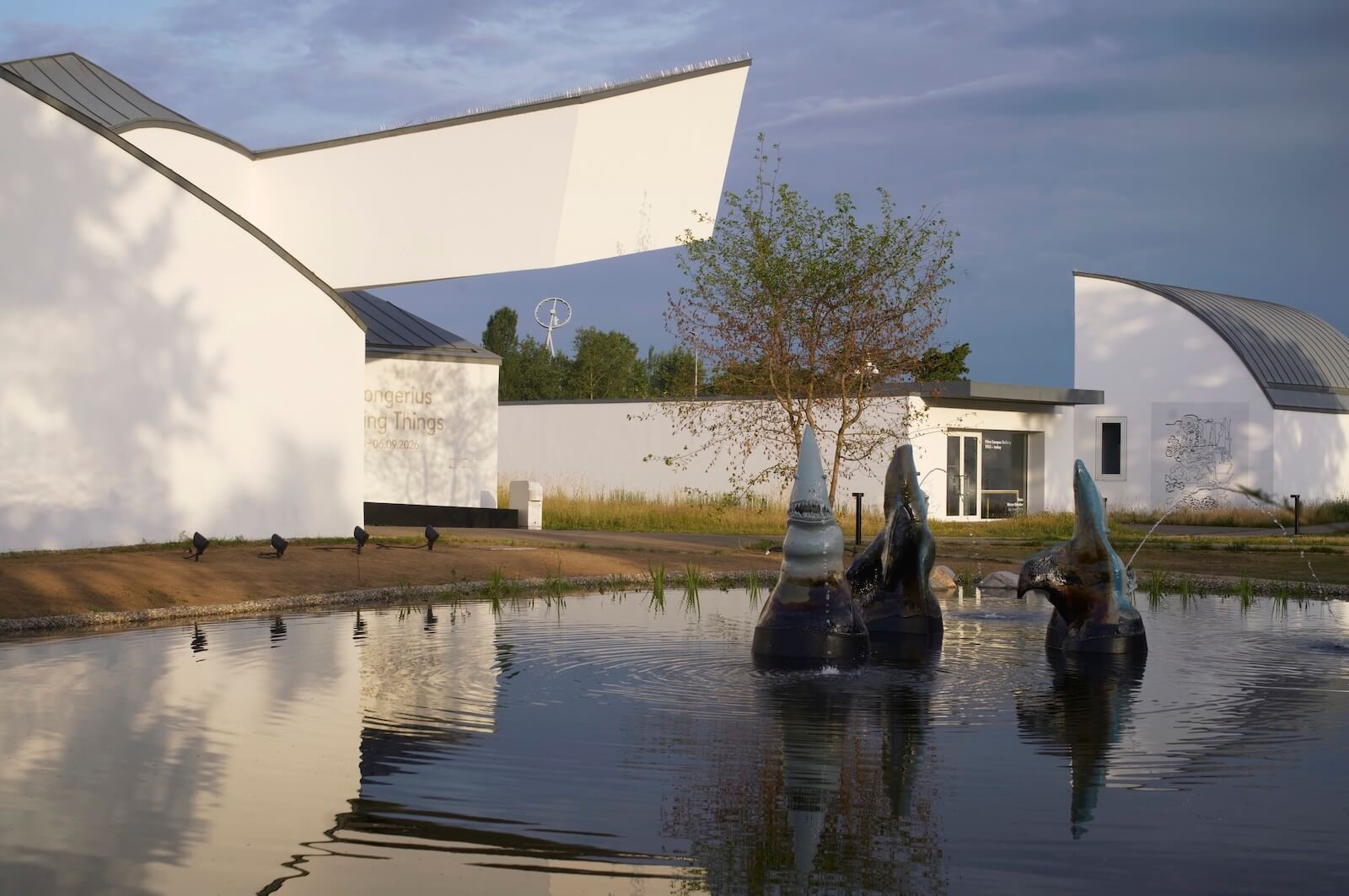
While more whimsical in intent, the three ceramic shark heads rising from the Water Garden are just as permanent. Crafted by Hella Jongerius, the subject of a major retrospective inside the museum, the grotesque trio that comprisesThe Three Graces asks us “to question the conventions” — beauty, joy and abundance — represented by the Graces (or Charites) of Greek mythology. Part of Jongerius’s “Angry Animals” series, it is but one of the sculptures — including Balancing Tools by Claes Oldenburg and Coosje van Bruggen — integrated with the landscape.
4
Home of Football: Home & Away
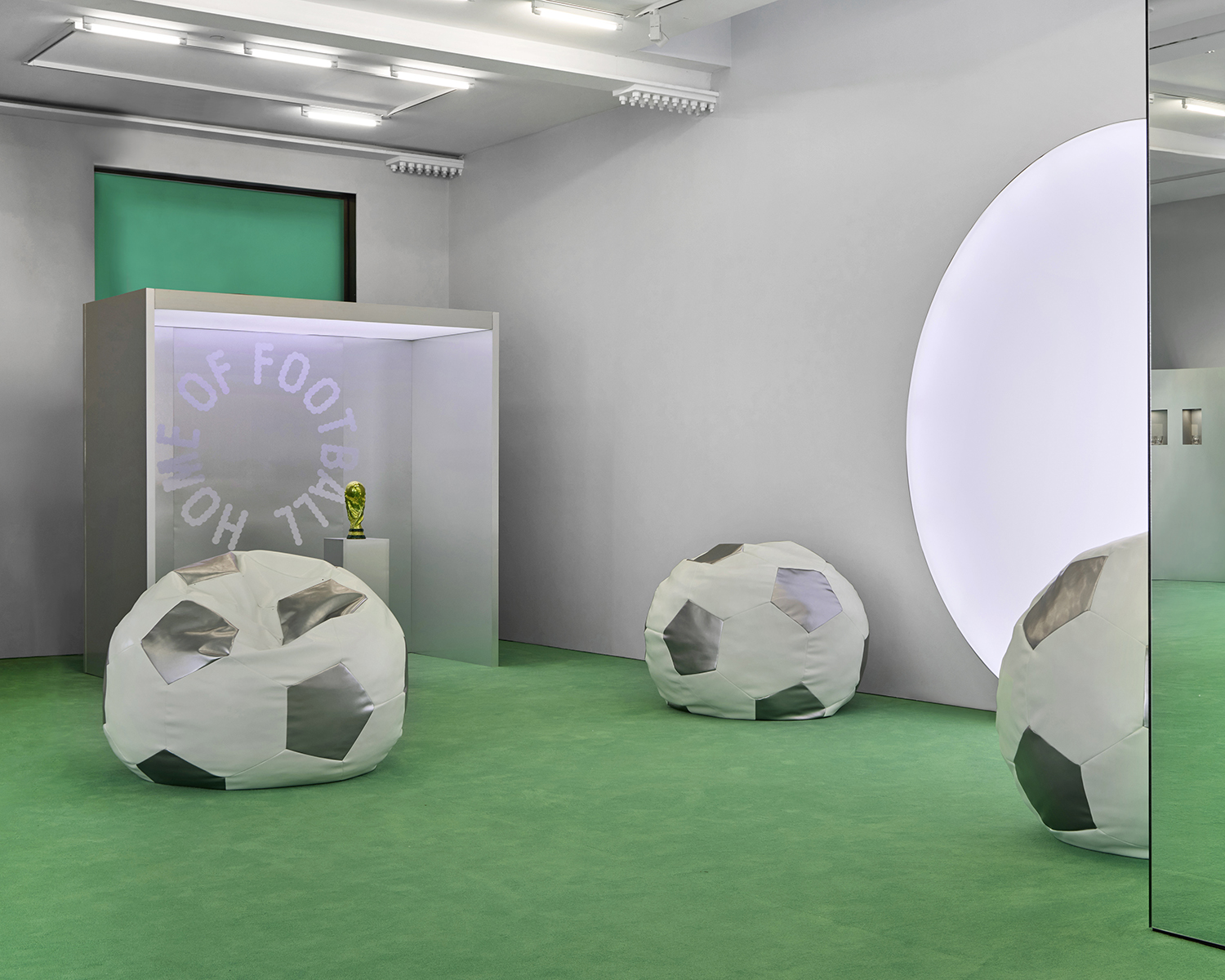
The FIFA World Cup has spilled beyond the stadium and into public life, with everything from mall atriums to local bars hosting screenings and celebrations, turning North American cities into stages for football culture. Home of Football: Home & Away, an exhibition at New York City’s High Line Nine through July 19, extends this moment into the gallery, positioning football as a cultural force. Curated by Parisian creative collective Air Afrique, the exhibition uses iconic memorabilia, including match-worn jerseys, trophies and other rare artifacts from the Manzano Family Collection, to narrate “stories of identity, migration, creativity, resilience, and belonging.”
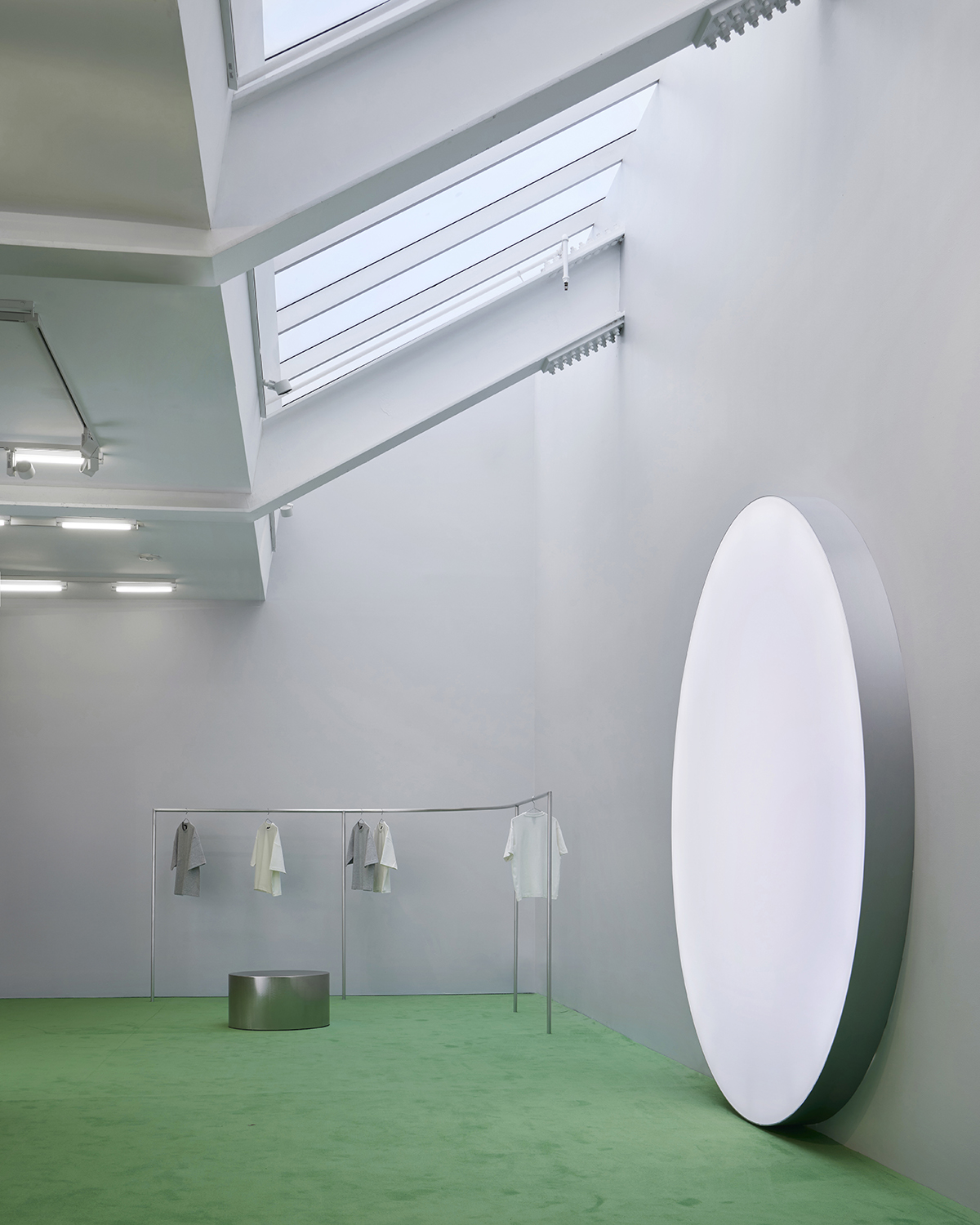
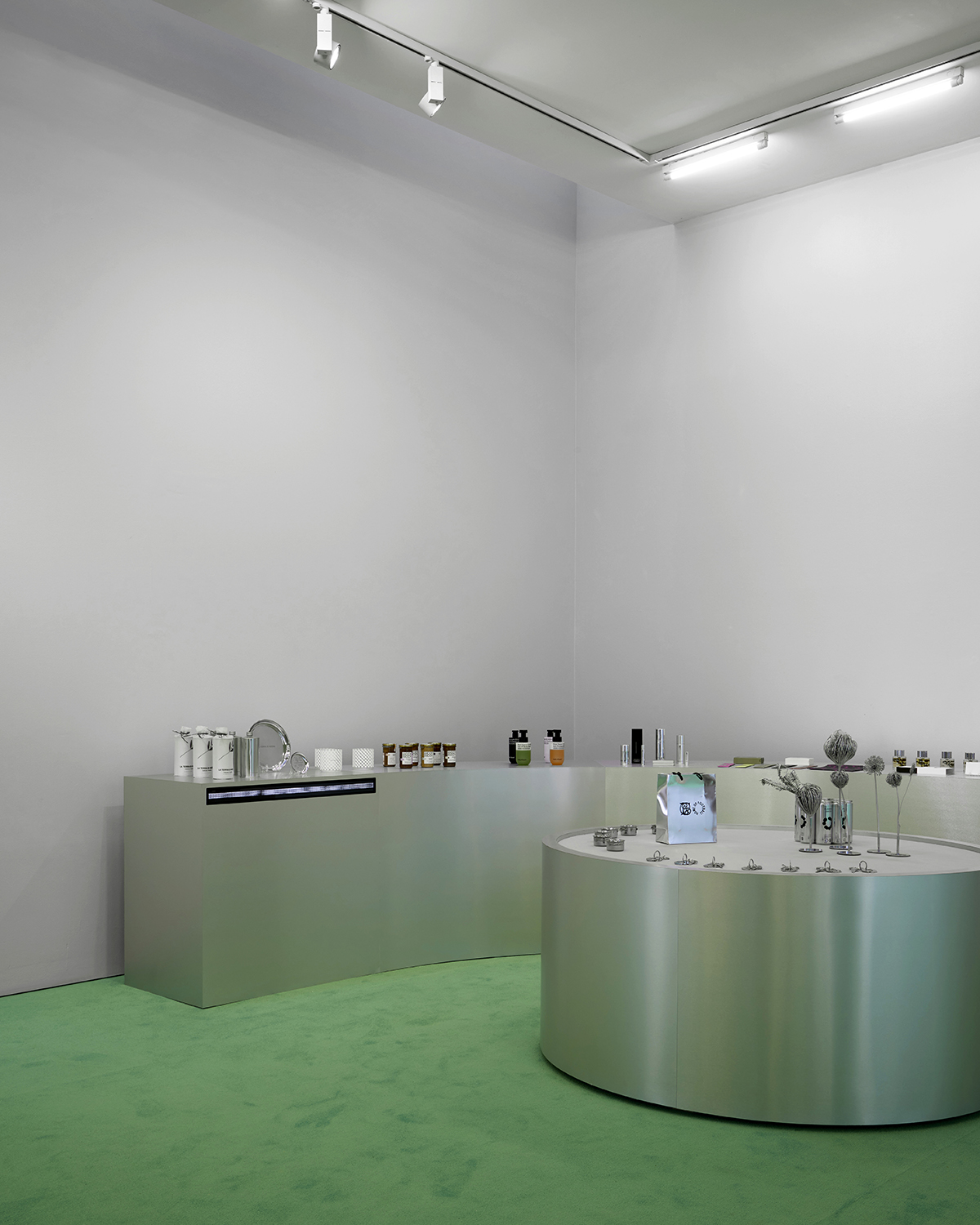
Across six rooms, Harry Nuriev of Crosby Studios has designed the exhibition to translate the language of the pitch into a spatial experience: wall-to-wall turf-hued flooring nods to the field, while circular forms appear in the lighting, graphics and exhibition architecture, evoking the curvature of the ball. If the space has somewhat of a retail feel, that’s an intentional move: Beyond archival material, the show folds in brand collaborations that span skincare to tech — plus, an integrated shop where visitors can pick up Home of Football merch — demonstrating the commercial power of football, as companies outside the sport use its imagery and fandom to reach new audiences. By exploring the game’s connection to fashion, lifestyle and contemporary culture, the exhibition offers a way in even for those who aren’t fluent in football.
5
Don’t Stop. Stand Up!
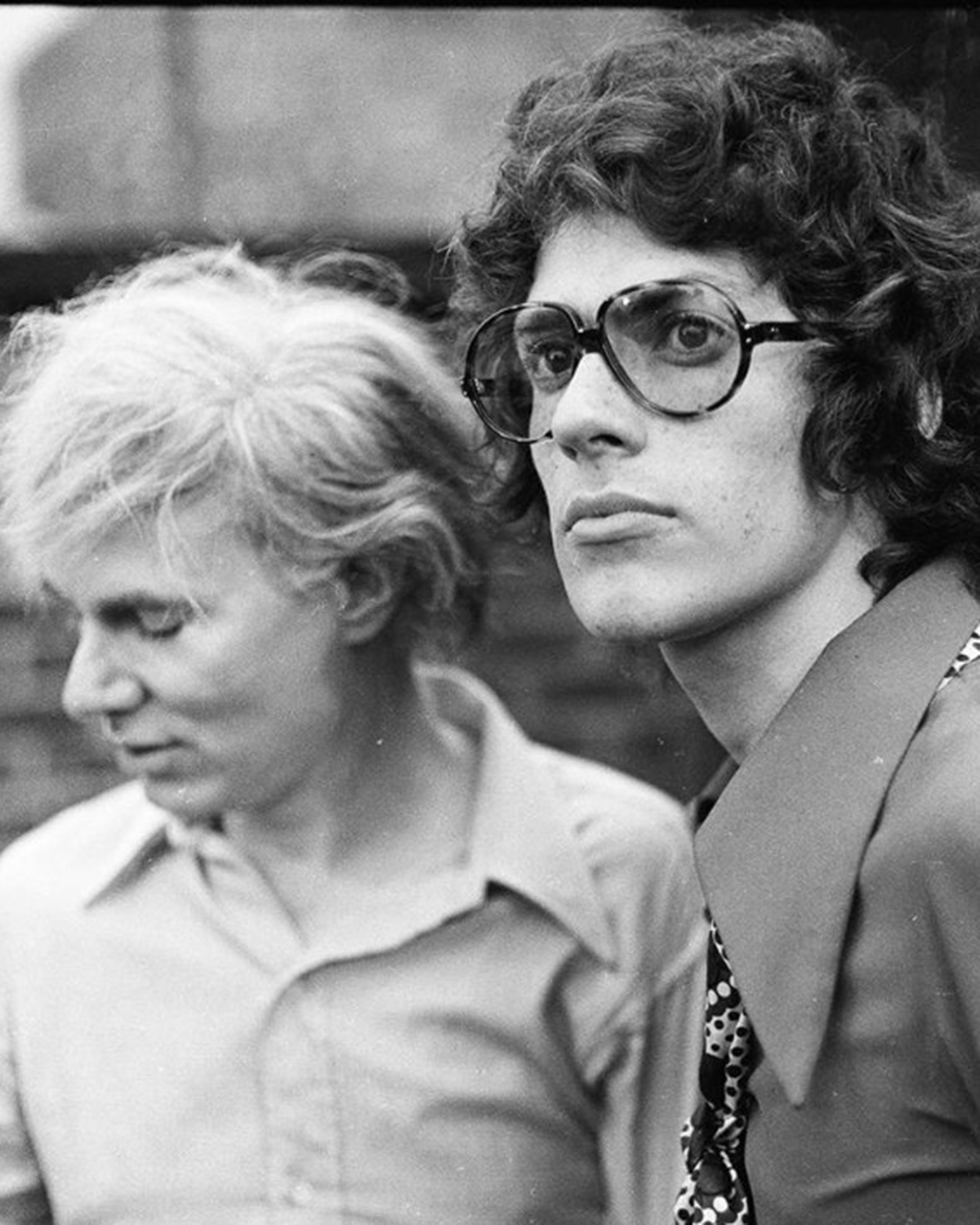
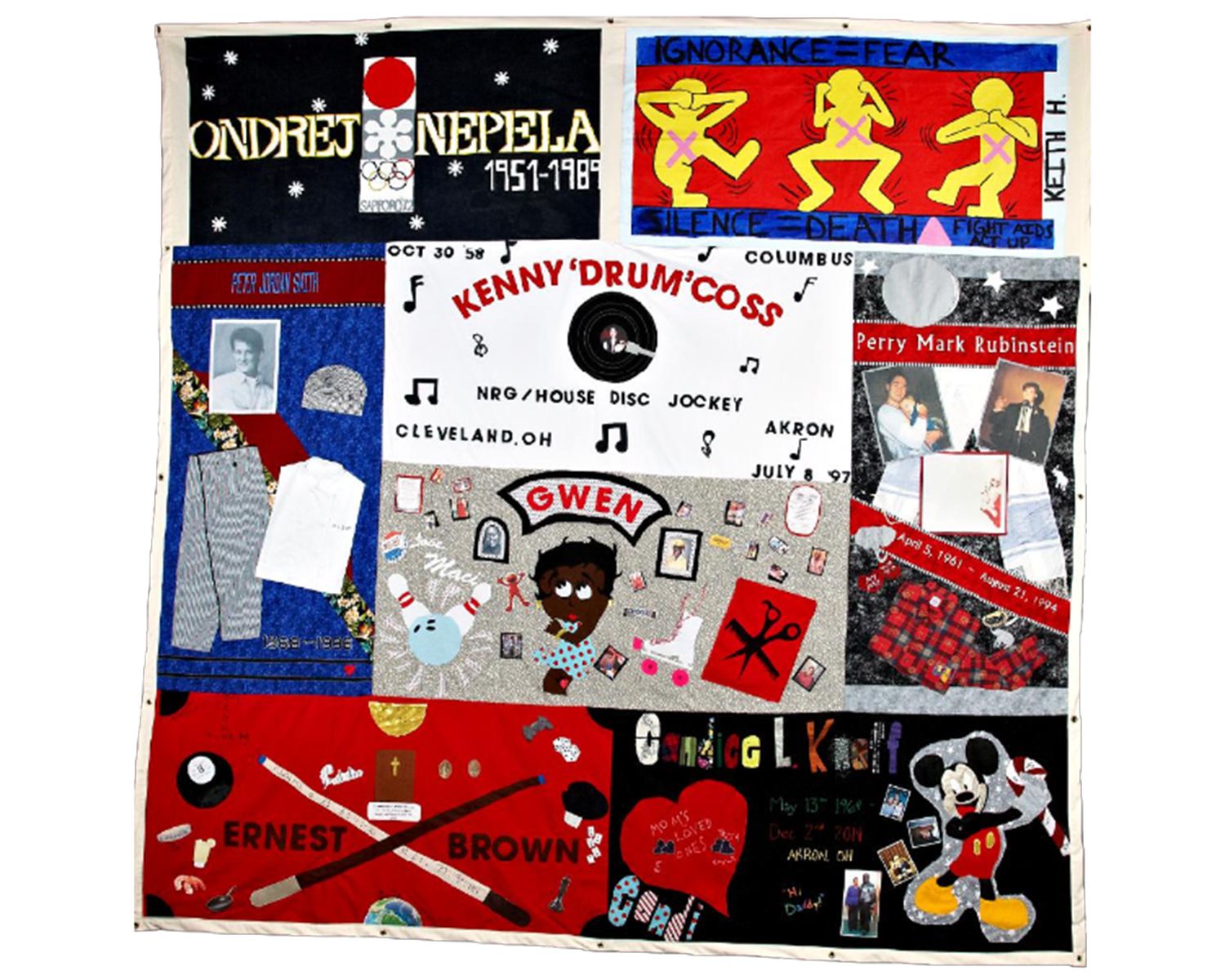
On the heels of Pride Month, an exhibition and talks series at Yabu Pushelberg’s Tribeca studio revisits the history of HIV/AIDS activism through archives, art and public conversation. “Don’t Stop. Stand Up!” explores how queer life and the AIDS crisis have been documented across personal photographs, memorial objects, institutional archives and contemporary art, including Tony Mansfield’s images of Andy Warhol, Candy Darling and other members of The Factory, panels from the US AIDS Memorial Quilt, and historic UNAIDS videos.
The accompanying Salon Series brings the exhibition into the present, gathering designers, artists and activists for conversations about how HIV/AIDS continues to shape queer communities today. Programming addresses the global HIV response, the communities still most affected by the epidemic, and the role creative fields can play in sustaining attention around HIV advocacy and queer leadership. Rather than treating the exhibition as a closed historical account, the talks frame its archives and artworks as a starting point for renewed public engagement.
6
Sounds of Philadelphia
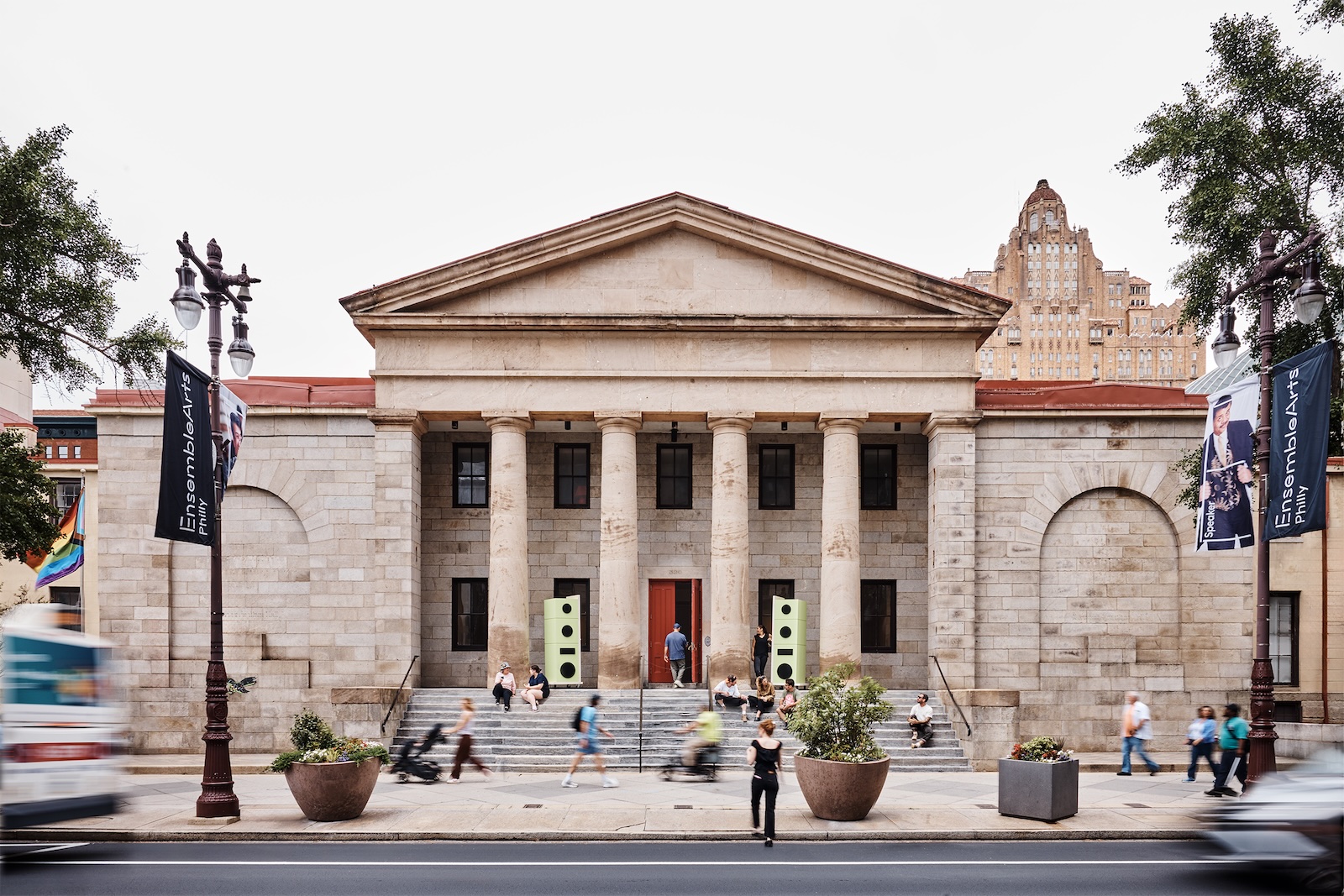
Over the summer, the historic facade of Philadelphia’s Village of Industry & Art welcomes two boisterous visitors: a pair of monumental speakers (by fabricator Tim Gleeson) playing music written, recorded or inspired by the city. “Conceived to bring the joy and inspiration of Philadelphia culture onto the streets and out into the open,” Sounds of Philadelphia is a two-hour daily happening curated by the Philadelphia Music Alliance and produced by Scout, the design and development practice behind the VIA.
Scout purchased the South Broad Street buildings that now house the VIA last year, when the University of the Arts went bankrupt and closed. Dating back to the 1820s, Hamilton Hall and Furness Hall were the university’s most prestigious buildings; they had previously housed the Pennsylvania Museum & School of Industrial Art, founded in 1876 after Philadelphia’s Centennial Exhibition. By transforming the heritage structures into an arts community, with “a growing community of artists, makers and mission-driven organizations including BlackStar Projects, Monument Lab, DesignPhiladelphia and the Stained Glass Project,” Scout ensured that this prominent historic architecture remains vibrantly active — both seen and heard.
7
Architects of Liberation at MoMA
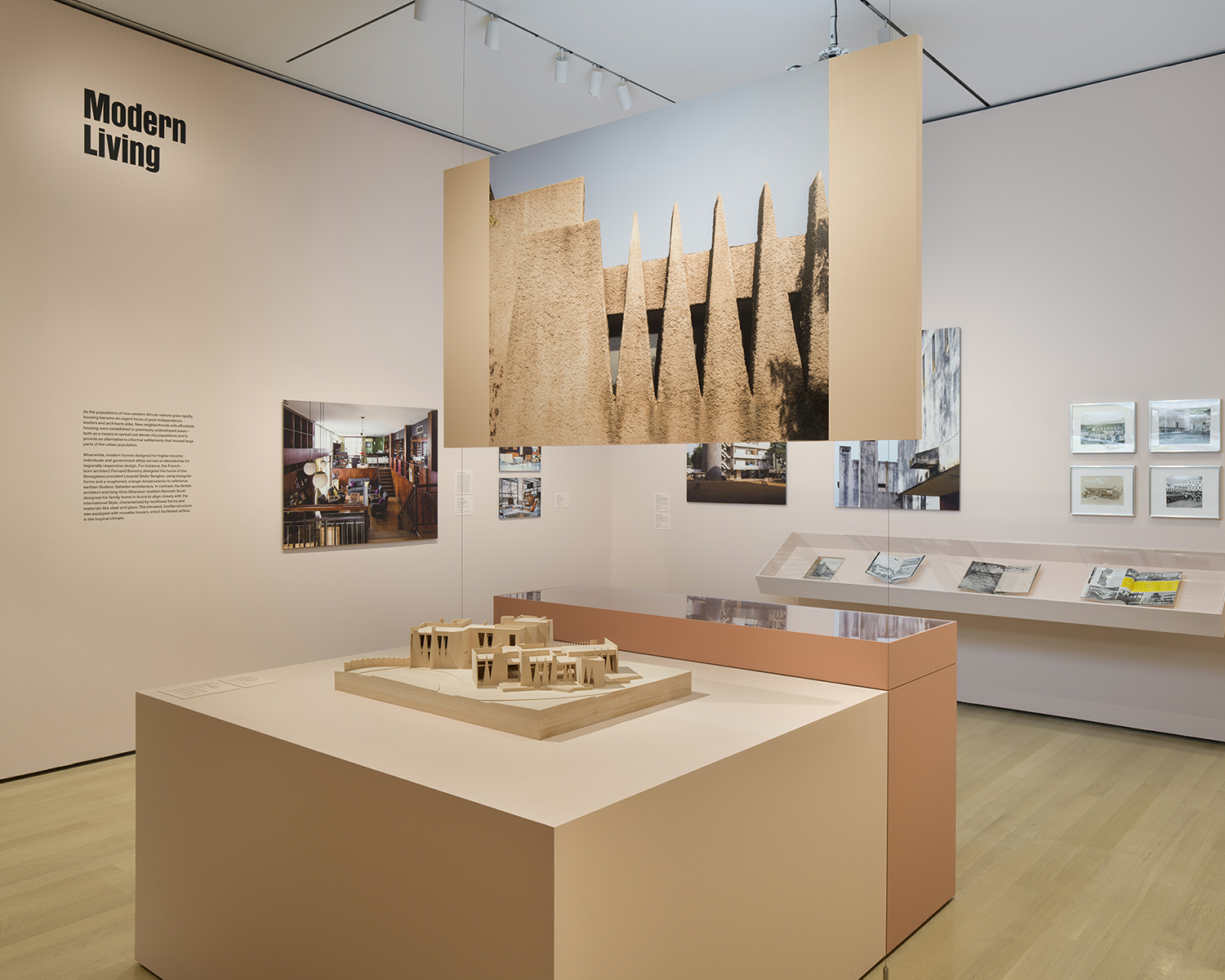
In the decades after they gained independence, Western African nations used architecture to project new images of public life, civic ambition and national identity. “Architects of Liberation“, which opened this month at MoMA, revisits that period (the late 1950s to early 1980s) through the buildings, drawings, models and photographs that gave form to a region in transition. With many of the objects — and the architects behind them — being presented publicly for the first time, the exhibition, developed through four years of extensive research, helps recover a body of modern architecture that has long remained outside the Eurocentric canon.

From Ghana’s Africa Pavilion at the Accra Trade Fair to the Gare de Bessengue train station in Cameroon, the show spans seven countries, organized around anchor projects in typologies ranging from education to housing. While many of these works have had little visibility beyond the places they helped define, here, they are brought into conversation with a larger modernist history.
8
TSA Walking Tour: Church and Wellesley Village

The intersection of Church and Wellesley may be best known to many Torontonians as the backdrop to Pride’s parades and parties, but this July, a walking tour run by the Toronto Society of Architects (TSA) offers another chance to consider how the neighbourhood became a centre of queer public life. The tour traces the Village’s history through the built environment, from Victorian houses and former mechanic shops adapted into community spaces to purpose-built venues that use architecture, art and symbolism to make queer life visible in the city.
Along the way, it also considers the pressures facing the neighbourhood today, including development, inclusion and the complicated relationship between built and intangible heritage. The timing of the tour feels especially apt as Church Street tests a pedestrian-only setup this summer, adding a new layer to ongoing conversations about who the Village is for and how its public life should be supported.
9
TAKK’s Con-Vivere at MAXXI

The Barcelona practice TAKK, led by Mireia Luzárraga and Alejandro Muiño, has created the second annual “Entrate” exhibition at Rome’s MAXXI museum. Like many of the firm’s provocative works, Con-Vivere, translates serious themes — climate change, colonialism, patriarchy, late-stage capitalism — into a setting that subverts them and proposes new, interspecies ways of co-existing. Featuring a cradle-like welcome station, a jacuzzi “water parliament,” and a plush, faux-fur communal sofa, the experience invites people to sit, relax and…eat: At a three-pronged harvest table, the vegetables growing in the vertical farm above will be served as soon as they ripen.

As Luzárraga told Design Milk, “There has been a lot of discussion on ornament in architecture during modernism. The excuse was that ornament attracts dust and disease but there was also something behind that: the idea that ornament was more related to feminized labour and therefore has to be banned. So, we also like working with ornament and with techniques that are more associated with feminized labour — and with colours less associated with architecture.”
10
Lassonde Art Trail Opening Season

We’ve already slated the Lassonde Art Trail on our Great Canadian Design Road Trip, but it’s worth re-visiting: Toronto’s Biidaasige Park is a delight and LAT is one of the city’s most ambitious art initiatives. Among its numerous new installations is Nigerian Canadian artist Oluseye’s Crown Act, shown above. Emerging from the ground like a buried chain — made of wood and featuring a cowrie shell at its centre — it “draws inspiration from Ontario’s connection to the Underground Railroad” and “references escape maps sometimes concealed within the braided hairstyles of enslaved women.”

A dining room transported to a log-strewn landscape, Nadia Belerique and Tony Romano’s Homing, meanwhile, surfaces the many emotions of sharing in a meal — and being part of a collective system, like a park with its bridges, waterways and wildlife. Something of a beast in its own right, it reads as a “mythical creature” from afar.
Visit our Events section to keep up with what’s happening in the global design community.
Design Calendar: Art, Architecture and Design Events Not to Miss This July
This month’s agenda brings together museum shows, immersive installations and public art openings around the world.