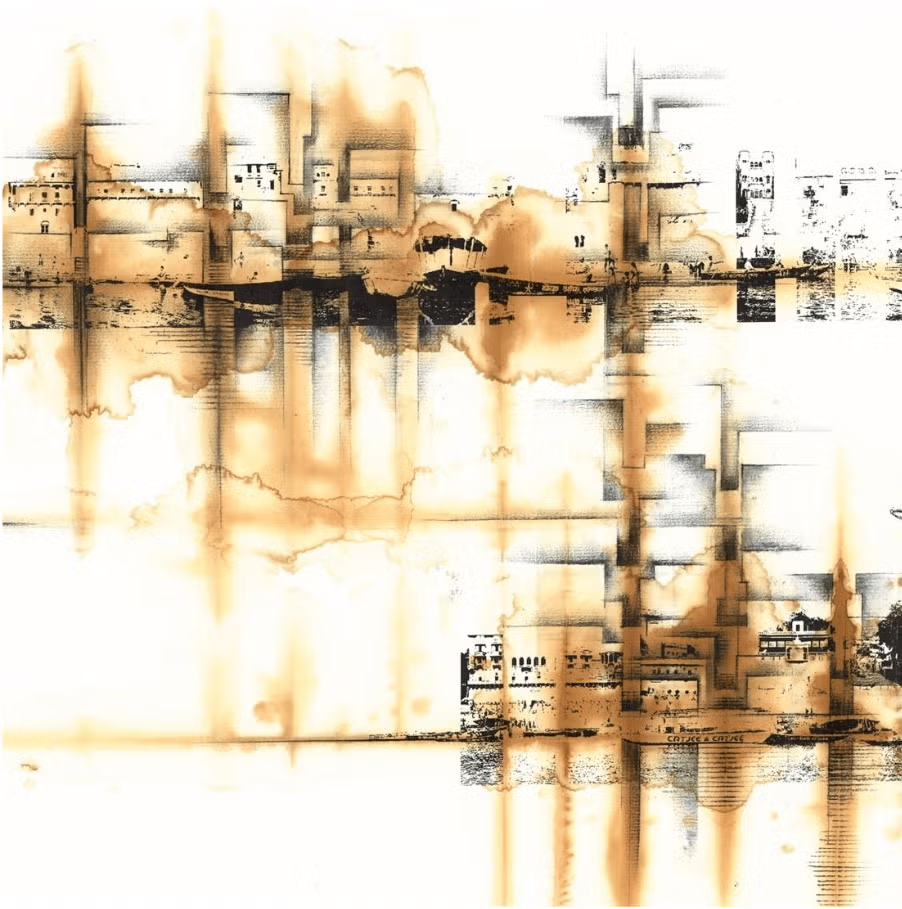
We live in an all-consuming Ocean of Wetness, a wetness that is everywhere in the air, earth, sea, flora and fauna, precipitating, evaporating, storming, seeping, soaking, transpiring, osmoting, freezing. We are wetness ourselves, our wetness necessary to our existence. However, we do not learn that we live in an Ocean of Wetness. We learn instead that we live on an Earth surface called land that we take for granted as existent and place beyond all difference, assuming that all people experience it.
In this talk, Dilip da Cunha presents land as a product of design in an Ocean of Wetness that we fail to acknowledge. It is a design that deploys four design devices: the geometric surface, geometric line, hydrologic cycle, and language of landscape. Together they create and maintain an Earth surface that serves as the ground of observation and habitation. It also serves as the ground of a colonization that continues largely because this act of design passes unnoticed and unquestioned. What does it take to acknowledge land to be a product of design; to recognize that our real home is in an Ocean of Wetness that is everywhere rather than on an Earth surface with water somewhere?
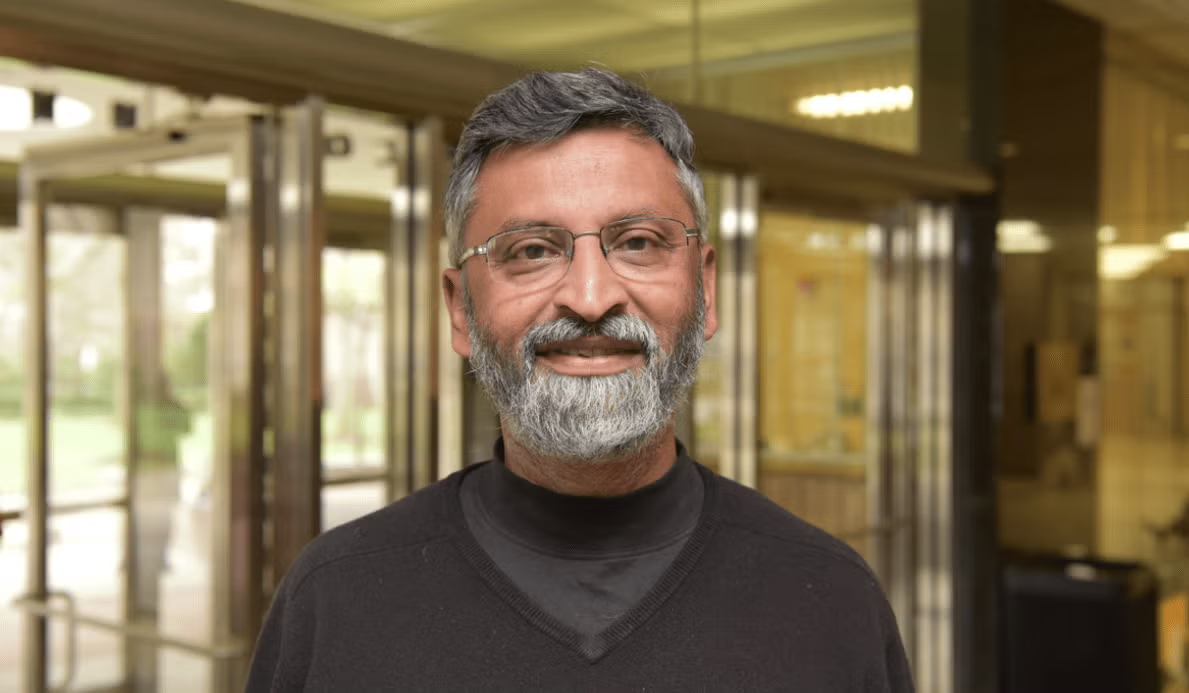
Dilip da Cunha is an architect who teaches at Columbia University and the University of Pennsylvania. He is author with Anuradha Mathur of Mississippi Floods: Designing a Shifting Landscape (2001); Deccan Traverses: The Making of Bangalore’s Terrain (2006); Soak: Mumbai in an Estuary (2009); and editor of Design in the Terrain of Water (2014). In 2019, his book, The Invention of Rivers: Alexander’s Eye and Ganga’s Descent, was published by University of Pennsylvania Press.