







Morten Jensen is illuminating on many different levels. From calculating the amount of daylight an interior will receive to figuring out the technical intricacies required to brighten up tunnels or airports, the role of an architectural lighting designer is more involved than it may at first appear. Working with both public and private spaces — from urban areas and roads to offices, hotels and more — global firm Light Bureau, for which Jensen manages two offices, brings its expertise to the entire construction process. Unsurprisingly, it has worked on some pretty major projects, such as Bjarke Ingels Group’s The Twist in Norway and the Heatherwick Studio–designed Maggie’s Leeds. Azure caught up with Jensen to learn why architectural lighting shouldn’t be underestimated.

Light is architecture’s 4th dimension
Lighting designers are often brought on very late to the project. In the past, lighting was seen as a technical consideration to be added into already-finished spaces. Thankfully, there has been a dramatic shift in this understanding in the past 10 years. Many architects now understand how important lighting is in the early design phase. Bad lighting can ruin good architecture, but good lighting can give it an even stronger expression. One thing that all award-winning projects have in common is that they all started with a holistic design, which includes lighting.
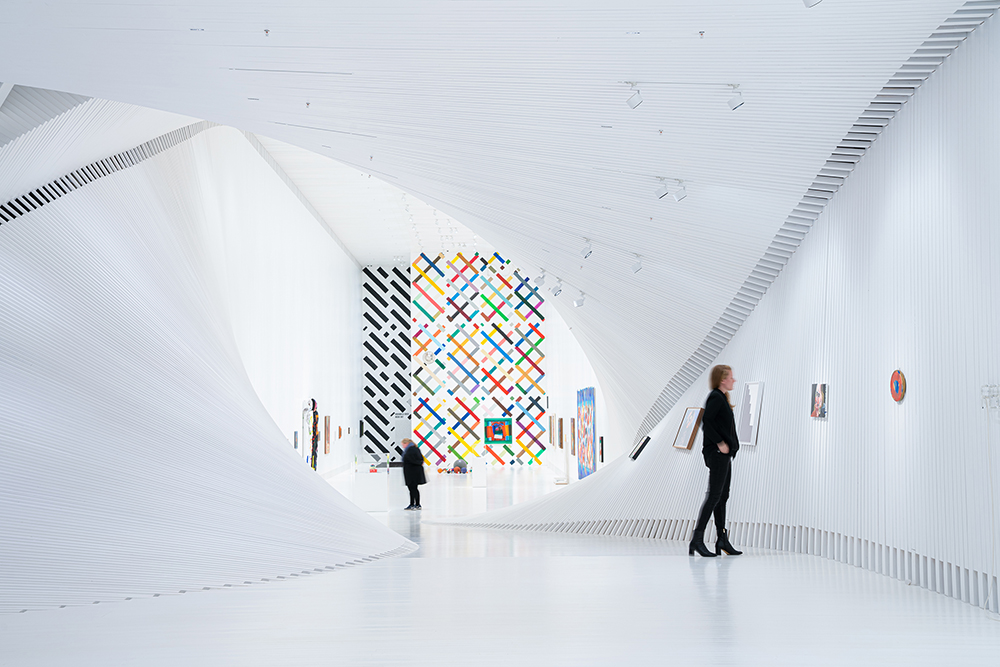
It’s all about creating immersive environments
I have always been interested in the power of light. It started in my room, in my parents’ flat as a teenager. I bought a small light controller and had some coloured bulbs blinking to music. For a while, I also worked on the tech side of show business, touring with bands. After eight years of working in cruise ships, I came to understand how important lighting is for creating an atmosphere.

Lighting plays a significant role in urbanism
Personally, I especially enjoy working on urban projects, places where proper illumination plays a crucial part in creating areas where people feel safe and secure — areas that they still want to visit or use after dark. For example, I love to see a mother with her child in a stroller walking late at night along Akerselva (Oslo’s river). That was not even close to being an option a few years ago, before we did a light plan for the area.

Sourcing products is all in a day’s work
Even if we’ve already thought about what to use from an early stage, finding the right product to perform a specific task is one of the latest stages in a project. We always employ BAT (best available technology) in our proposals, and we consistently and thoroughly follow all manufacturers’ product development. And if we can’t find anything suitable, we will often search for a manufacturing partner to design and create a new luminaire ourselves.
Light Bureau’s Morten Jensen on the Brightest Side of Architecture
The architectural lighting designer shares insights from his practice with Light Bureau, which has collaborated with BIG and Heatherwick.