


Perhaps the algorithm is to blame for the sea of sameness that has consumed modern restaurants. Visit any trendy spot in a major metropolitan area and you’re likely to be met with a version of this tried-and-true formula: a menu of modestly sized shareable plates (from which you’ll order whatever dish is currently going viral on TikTok), a cocktail list that elevates the classics with exotic flavours, and an interior that feels as though it’s been plucked directly from a meticulously curated Pinterest board. Gone are the days of stumbling into a local neighbourhood spot and accidentally discovering a hidden gem. But a new generation of dinner pop-ups that operate in unexpected locations for just a few nights each is seeking to restore that sense of novelty — and, in turn, get diners off their phones and into the present moment (even if they do eventually end up inspiring some Instagram FOMO). While food is undoubtedly the central ingredient in crafting an unforgettable dining experience, design is also an integral part of the recipe. Here, we explore two concepts that exemplify
this perfect marriage.
1
Menu Extra
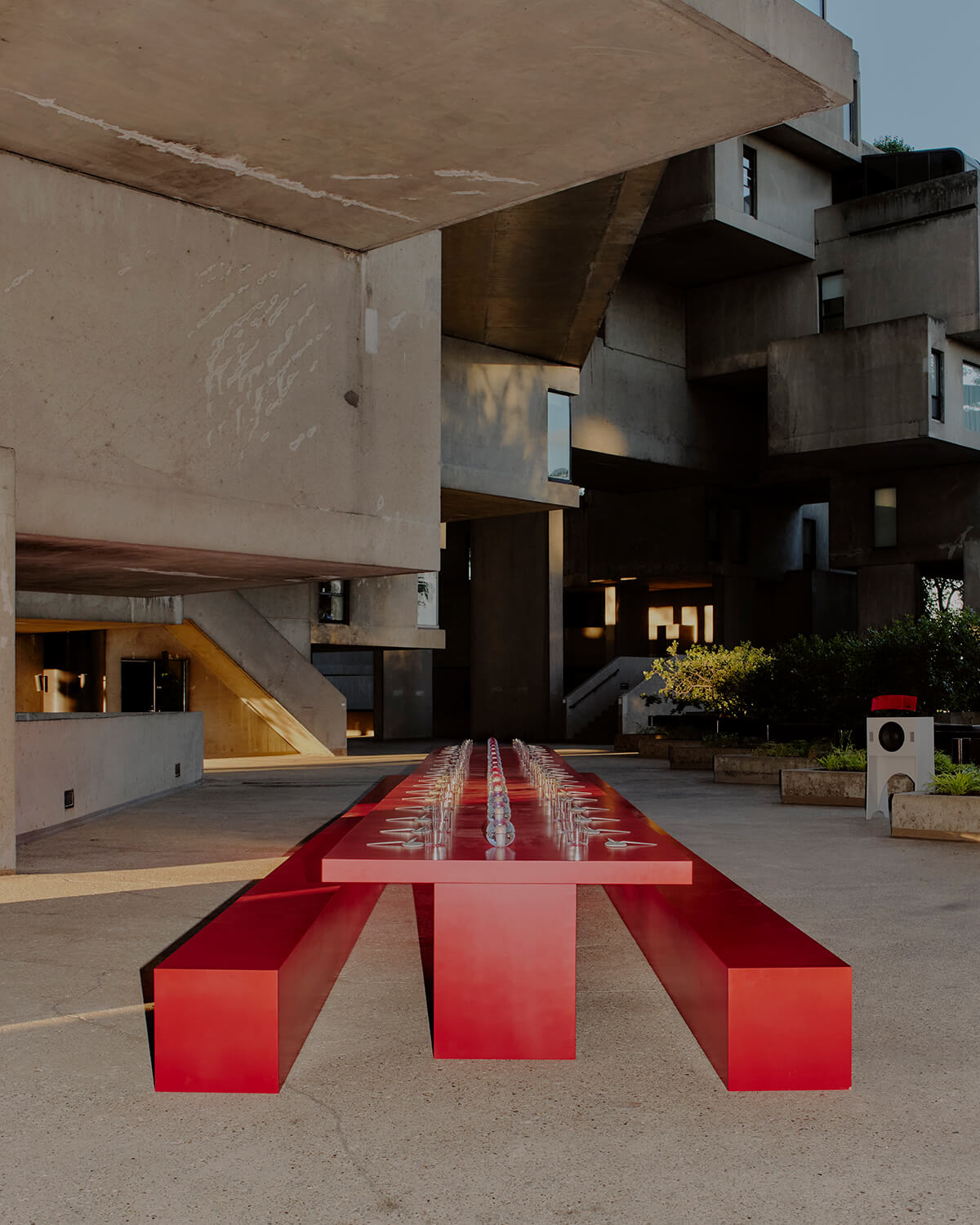
While this Montreal culinary studio debuted with a collaboration hosted in Québécois sculptor Jean Brillant’s Saint-Henri gallery, it was a dinner staged at Habitat 67 last summer that put Menu Extra on the map. “We posted the flyer, and the tickets were sold out within one hour,” says creative director Samuel de la Courtemanche, who helms the team alongside chef Francis Blais (a previous Top Chef Canada winner), sommelier Alexis Demers and creative producer Amanda Prow. The centrepiece? A custom 40-seat table rendered in Expo 67 red, drawing from the colour of the exit doors across the complex. “We wanted something that was going to echo this iconic backdrop without competing with it,” he explains. De la Courtemanche credits his stint as brand manager at Sid Lee for his contextually sensitive approach and appreciation for ephemeral design.
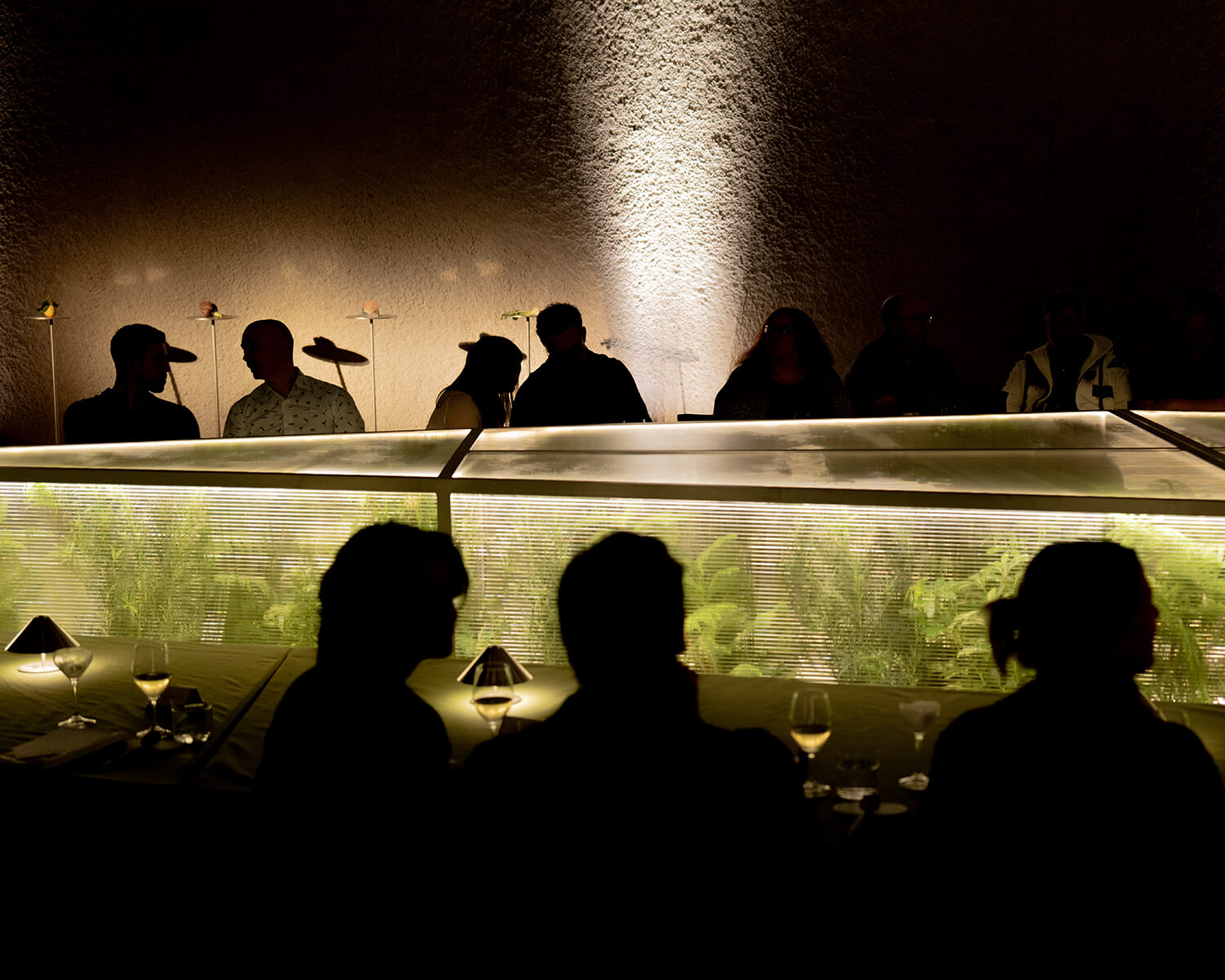


Brands looking to host similar experiences quickly came calling, and soon Menu Extra was organizing private, one-of-a-kind dinners for clients like Evian, who welcomed guests into Toronto’s Olga Korper Gallery, reimagined with a row of transparent fabric sheets. While it may seem counterintuitive, the venue is the starting point for each venture, followed by the wine pairing, and finally, the menu. Elements such as lighting and room temperature heavily influence the culinary selections. With such spectacular spaces as a canvas, the design interventions become less about surface treatments and more about an architecture around which to choreograph the dinner service. In addition to its brand collaborations (as well as weddings and private dinner party commissions), Menu Extra continues to organize its own ticketed dinner series, too. In March, at the Convent of the Franciscans in Montreal, it hosted dinner at a bespoke diamond-shaped table, riffing on the brutalist chapel’s architectural motifs. It was a fitting farewell — a final celebration before the building is redeveloped as social housing and artists’ residences.
2
Light Gathering in the Yuàn
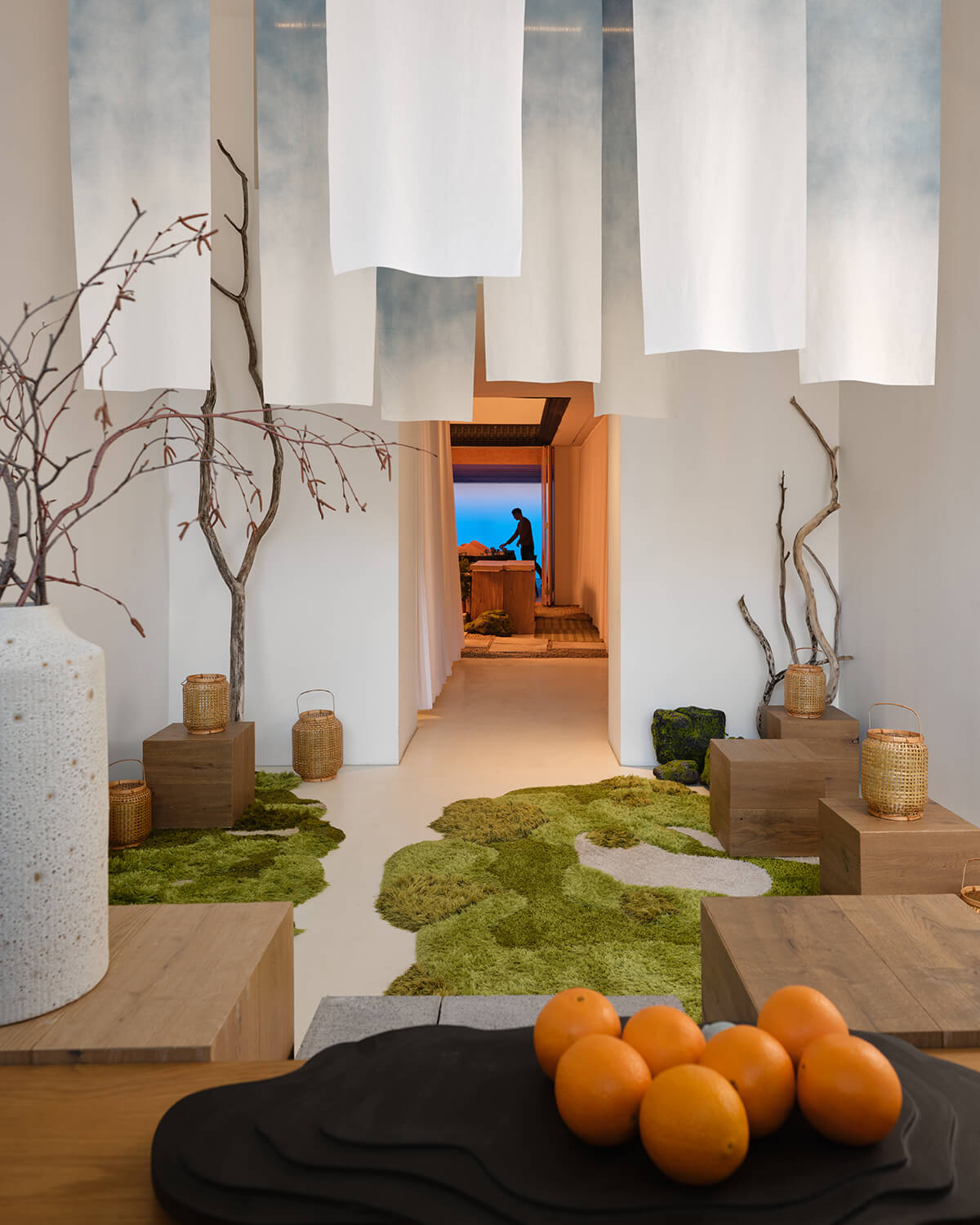
Food has been a recurring theme in Mason Studio’s activations at its Toronto office, which also serves as a cultural hub. It started back in 2024 with Nourish, which framed the dumpling as a celebration of cross-cultural connection. This year during DesignTO, the studio pushed the concept even further, hosting an eight-course meal with chef Eva Chin, who is no stranger to pop-ups herself: Her restaurant, Yan Dining Room, is a temporary space carved out of Hong Shing, a Chinatown institution. For both her and Mason Studio co-founder Stanley Sun, it was an opportunity to reflect on their shared Chinese-Canadian heritage.

Set inside the Light Room — an intimate space drenched in immersive, colourful lighting by Vyvyd — dinner unfolded as a series of contrasts, starting with a comforting, silky seafood broth and finishing with an idyllic red love apple sorbet reminiscent of frozen apple pie. The lighting changed with each new course, narrated by a story from Chin’s childhood. It made for a kind of culinary theatre, but this was no Instagram gimmick. “The value of this space is not about over-programming but allowing things to happen that wouldn’t have happened otherwise. It reveals itself, which I think is the beauty,” says Sun, who is also Mason’s creative director. In many ways, the event was a testing ground for future hospitality projects: “Restaurants often change their food seasonally — why doesn’t the space change? Especially for small business owners, they will not and cannot renovate, nor should they. But we can certainly flip on a light switch to completely change the atmosphere.”
The Hospitality Industry Trades Routine Restaurant Meals for High-design Dining Pop-ups
How Menu Extra and Mason Studio opened some of Canada’s best restaurants — for a few nights only.