
Last October, Svend Jacob Pedersen, co-founder of Copenhagen design firm Spacon, sat around a bar table with friends Silas Adler (formerly of fashion brand Soulland) and Kristian Nyholm (who runs talent management agency e45) discussing the shortcomings of design fairs. Before long, the trio was dreaming up what would become Other Circle, a cross-disciplinary platform merging design, art, music, food and fashion. “We’ve heard frustration from brands who rented an expensive space and then didn’t get the attendance they were looking for,” explains Pedersen. “Out of that grew this idea of including creatives from other industries, but built through the lens of what is relevant to a design audience.”
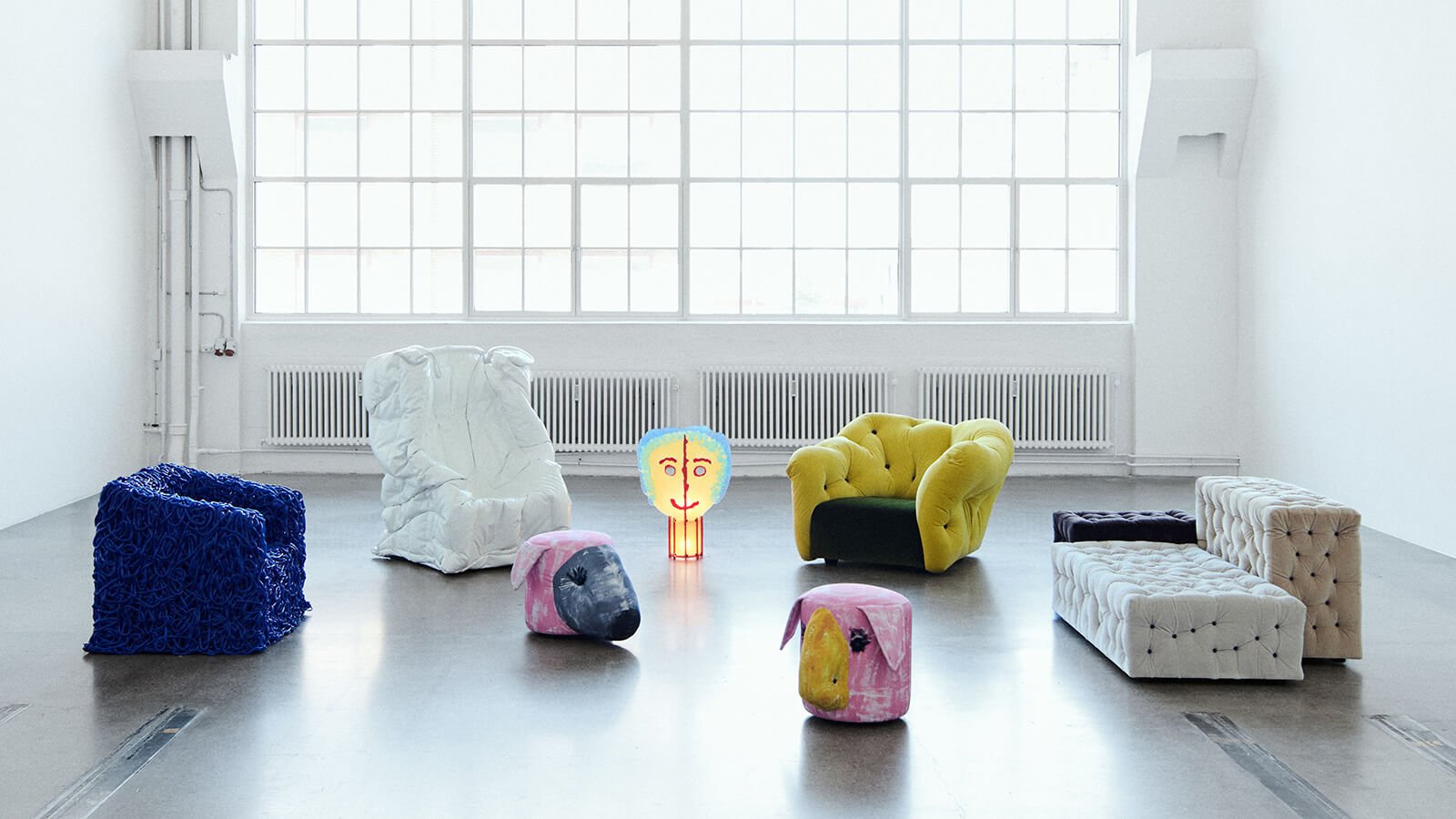
The resulting exhibition, hosted in a photography studio just outside the city centre, was the talk of the town during Copenhagen Design Week this past June. Of course, there were plenty of visual stimuli to take in, including standout furniture launches from the likes of BD Barcelona and NM3. But it was the umami aroma of Noma Projects’ fermentation installation and the taste of Pompette’s natural wines that gave the event a flavour all its own. We sat down with Pedersen to learn more about the show’s origin story — and where it’s headed next.

1
Embrace diverse perspectives
“If you go to almost any design studio’s bio, they will call themselves multidisciplinary, even if they just make lamps or chairs. But it doesn’t matter. It just shows a desire to look outside of your own discipline and not work in silos. It’s always been obvious for us to work like this, and it has pushed each of us in a new direction that we integrate into our future projects. The plus sign kind of turned into our logo because collaboration is very central to what we’re doing at Other Circle.”

2
Stand behind your vision
“We talked to [Copenhagen Design Week festival] 3daysofdesign about possible synergies to collaborate. Simply put, they have a very strict policy of not including brands that are outside the design field. We 100 per cent believe that music and food have a place in design and that inspiration can be shared from one discipline to another. We found ourselves having to
explain the validity of that, and we’re not buying the idea that multidisciplinarity will confuse the audience.”

3
Harness the element of surprise
“Noma Projects made these balloons that would grow over the course of the exhibition as their contents fermented. They were exhibited in the same room as very valuable art pieces, the space where we also had panel discussions. We were afraid Sabine Marcelis would be covered in fermentation during her talk. But during one of the panels, one of the balloons popped loudly, and
people just applauded. This idea of something that’s alive and growing created a sense of tension where everyone was affected — in a good way.”

4
Learn from your predecessors
“A collective exhibition has the critical mass to be a non-negotiable stop on your trip, because if all these exhibitors were scattered around the city, you’d miss at least four-fifths of them. We’ve shown at Capsule Plaza during Milan Design Week as Spacon, and they are definitely a big role model in what we’ve attempted with Other Circle. They’re great at doing match-ups between creatives and bigger brands. We believe we’re speaking to the same audience.”

5
Prioritize quality over growth
“All the way along, we’ve been an independent actor. This, of course, gives us the freedom to operate very fast and agile. But we have actually considered going smaller next year, in order to refine the quality and value. Copenhagen Design Week doesn’t need something bigger; it just needs a more nuanced offering for the audience that is already here. Next year, we want to stay open on Saturday to allow people outside the industry to come and visit. We see Other Circle as a platform that could also work as a kind of museum for the local community.”
5 Things We Learned from the Co-founder of Other Circle
Svend Jacob Pedersen shares the bold vision behind Copenhagen’s hit design exhibition.