
1
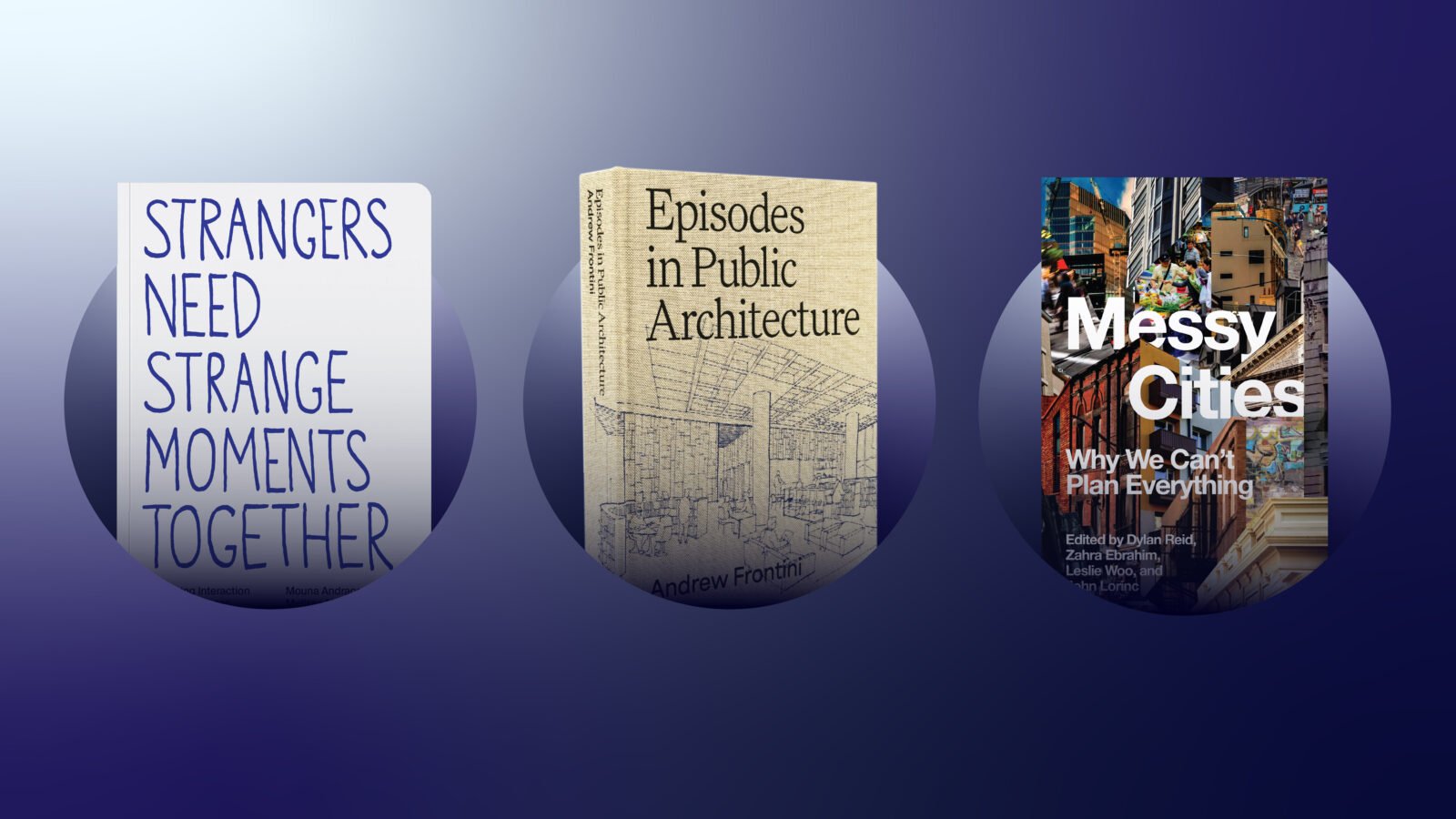
Episodes in Public Architecture
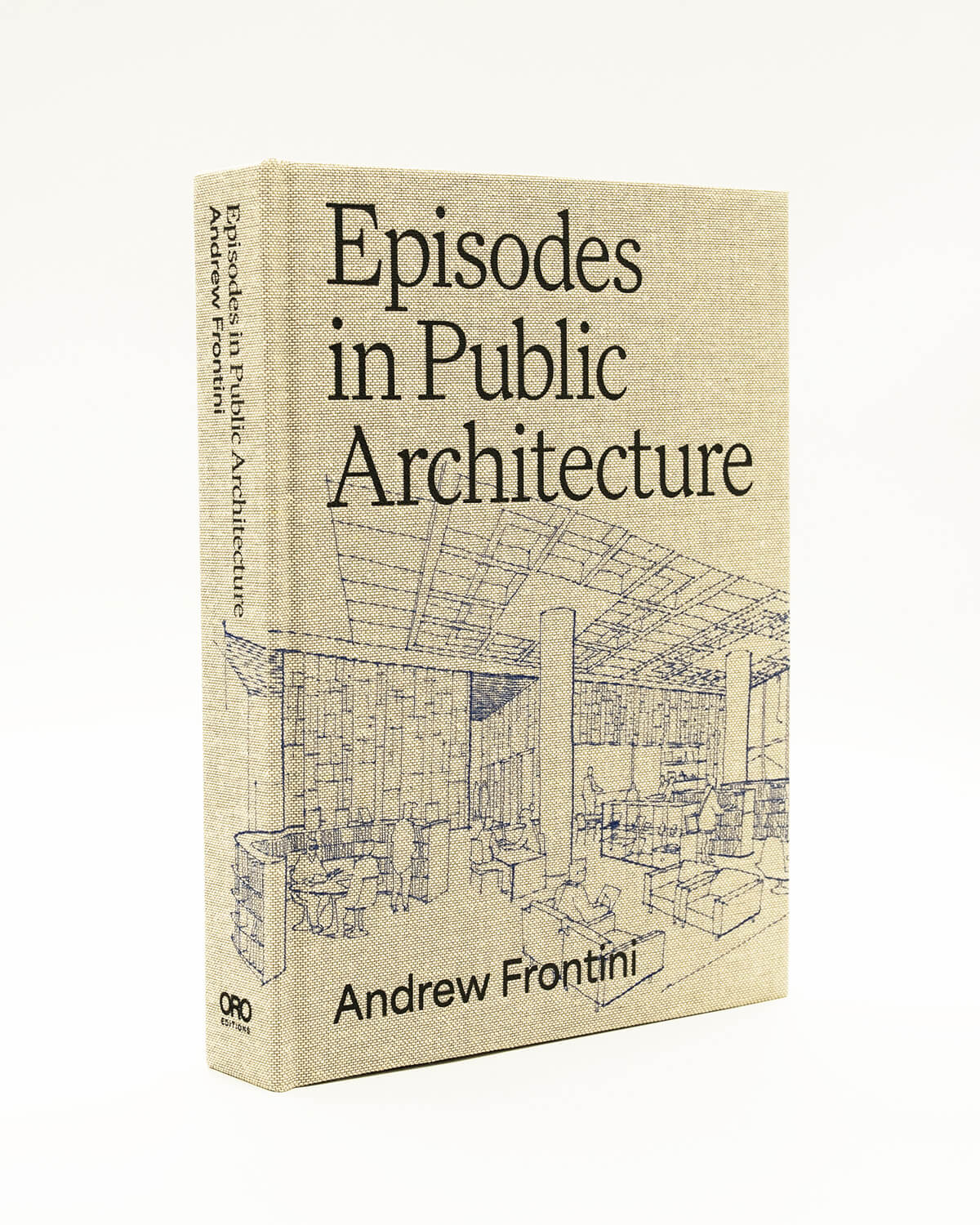
“To see and be seen, to animate and contribute to the ebullience of public life — these are the human impulses that shape great cities,” writes architect Andrew Frontini in his first monograph of his work, completed both at Shore Tilbe Irwin & Partners and, later, as the design director of Perkins&Will’s Ontario offices. “The need to affirm and celebrate our collective interdependence drives us to create and inhabit public spaces.” These core principles guided the design of all 11 projects showcased in this volume — from the Hazel McCallion Academic Learning Centre at the University of Toronto Mississauga, whose instant success highlighted the dearth of accessible public spaces on campus, to the Albion Library in Toronto’s Rexdale neighbourhood, whose design process forced Frontini to interrogate his own biases. Interspersed with drawings, photos and diagrams, the case study narratives are written from Frontini’s first-person perspective, expressing how each project has shaped both his personal and professional lives. The result is a reading experience that’s richly layered, much like the spaces the book depicts.
2
Strangers Need Strange Moments Together

Daily tous les jours founders Mouna Andraos and Melissa Mongiat aspire to
bring a playful spirit to the public realm. Combining technology, storytelling, art,
performance and placemaking, their multidisciplinary practice empowers a more collaborative approach to city-building. Together, they published this monograph, both to look back at how far the practice has come and also to plan for its evolution. “Contemporary city-building is too often based on narrow data-driven analysis that prioritizes productivity, efficiency and automation,” they write in their introduction. “Our projects aim to foreground the dimensions of life that this kind of analysis tends to omit, namely the qualities that characterize what it means to be human in the first place — the joyful, whimsical and unexpected; moments of connection and care between strangers.” Music has become a protagonist in the studio’s work, illustrated in case studies that include the travelling Musical Swings installation and a Giant Sing Along staged at Minnesota’s state fair. Throughout, the duo acknowledges the importance of public participation in the success of their work. “We never think of a project as complete on the first day it opens,” they explain. “It’s only once the public begins to engage with it over time, often in ways we didn’t anticipate, that the project truly comes to life and assumes meaning.”
3
Messy Cities: Why We Can’t Plan Everything

Messiness is not an intrinsically desirable quality in a city. But this anthology of essays, edited by Dylan Reid, Zahra Ebrahim, Leslie Woo and John Lorinc, makes a case for rejecting the rigid sense of order that has come to govern urban planning. “Messy urbanism is at once a sign of dysfunction and of vibrancy, of problems unresolved and of people taking action to solve them. It can push against official narratives or help change those narratives,” explains Reid in his introduction. Organized in six thematic sections — Reflections, Localities, Ecologies, Built Forms, Global Cities and Urban Systems — the collection includes meditations from Toronto chief city planner Jason Thorne on urban life in Hanoi and Ho Chi Minh City, and Chiyi Tam’s reflections on the conflict inherent in her work as managing director of Toronto’s Chinatown community land trust. Addressing both the strengths and shortcomings of a more informal approach to urbanism, the book promises to leave readers with as many questions as it does answers.
3 Literary Manifestos for Designing Public Spaces That Make an Impact
Insightful reads that examine how design, collaboration, and creativity shape our shared urban environments.